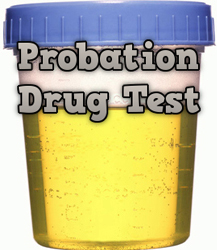
Imagine a ship, steadfast and resolute, navigating tumultuous waters. It sets sail with determination, aiming to reach the shores of rehabilitation, yet a sudden storm brews. This storm, often unforeseen, symbolizes the harrowing reality of failing a drug test while on probation. The consequences can be as treacherous as rocky cliffs, threatening the vessel’s journey towards a safer harbor. This article will delve into the intricacies of encountering a first failed drug test on probation, exploring its implications, consequences, and potential pathways to recovery.
Probation, a legal mechanism designed to supervise an individual as an alternative to incarceration, represents both a second chance and a profound responsibility. It can be likened to walking a tightrope, where maintaining balance is essential to avoid the abyss below. With regular drug testing as a key component of probationary terms, individuals are expected to remain free from substance use. When the unsettling news of a failure reverberates, it can evoke feelings of despair and fear, much like a ship battered by relentless waves.
Understanding the gravity of a failed drug test involves grasping the parameters surrounding substance use on probation. Typically, a drug test evaluates an individual’s system for a variety of substances, ranging from marijuana to opioids. The methodologies utilized—urine tests, blood tests, hair follicle examinations—are precise yet not infallible. Factors such as recent use, metabolic rate, and even the body’s biomechanical processes can play a pivotal role in the outcome. In this context, the failed test may serve as a harbinger of more severe repercussions.
The repercussions following a first failed drug test on probation can vary widely, much like the unpredictable nature of the sea. A minor infraction might lead to a warning, providing the individual a chance to recalibrate and recommit to sobriety. Conversely, more severe outcomes could include increased probationary conditions, mandated rehabilitation programs, or even revocation of probation, subsequently leading to incarceration. The spectrum of repercussions is nuanced; understanding potential outcomes requires a keen awareness of local laws and the leniency (or lack thereof) shown by the judicial system.
When navigating this tumultuous terrain, it is paramount to comprehend one’s rights. Individuals facing the repercussions of a failed drug test are entitled to due process—a concept akin to an anchor, grounding them amidst the chaos. They have the right to contest the results, seek clarification, and, in some jurisdictions, request retesting. Moreover, pursuing legal counsel can prove invaluable. An attorney well-versed in probation law can provide guidance, helping to devise an appropriate course of action while mitigating the fallout from the failed test.
While the initial response to a failed drug test may be one of panic and bewilderment, embracing a proactive mindset can pave the way for a more favorable outcome. Recovery from the storm begins with acknowledgment—an introspective reckoning with the choices made and the factors that contributed to the test failure. Taking responsibility is akin to securing sails; once adjusted, the ship can stabilize and regain its forward momentum.
Engaging in a comprehensive support system is equally crucial. This can include therapy, counseling, or support groups that provide a safe harbor for self-exploration and growth. The importance of community cannot be overstated. Just as a seasoned crew can help navigate turbulent waters, fellow individuals in recovery can offer shared experiences and encouragement. Together, they can create a tapestry of resilience, emboldening one another to conquer the stormy seas of addiction.
Moreover, participating in rehabilitation programs—either court-mandated or voluntary—can serve as a lifeline. Such programs not only address the underlying issues related to substance use but also demonstrate a commitment to change. Courts often view proactive engagement with rehabilitation positively, which may result in more lenient treatment during subsequent proceedings. Think of it as reaching for the stars; every step taken towards recovery imbues one’s journey with purpose and authenticity.
Another critical component in aftershock management following a failed drug test is to meticulously reassess lifestyle choices. Are the people you associate with conducive to recovery? Does your environment trigger old habits? This introspection is akin to mapping out a treacherous route—preparedness is paramount. Making deliberate, health-focused choices can prevent future pitfalls and fortify one’s resolve against relapse risks.
Ultimately, a first failed drug test on probation is not an indelible mark on the narrative of one’s life. It can be viewed as a learning opportunity—a harsh yet insightful mentor guiding one to safer shores. Recovery is often a tumultuous journey, riddled with obstacles; however, it is also filled with moments of triumph and self-discovery. By embracing a constructive approach, seeking legal advice, engaging within a support system, and committing to personal growth, individuals can navigate these choppy waters with renewed strength.
As the ship approaches calmer seas, remember this: the essence of a robust journey lies not just in the destination but in the perseverance displayed along the way. Every wave surmounted becomes a building block for a more resilient future, illuminating a path towards redemption and a life free from the shackles of addiction. The initial setback can become a catalyst for lasting transformation, echoing through time as a poignant reminder of the strength inherent in choosing to rise above the storm.









Leave a Comment