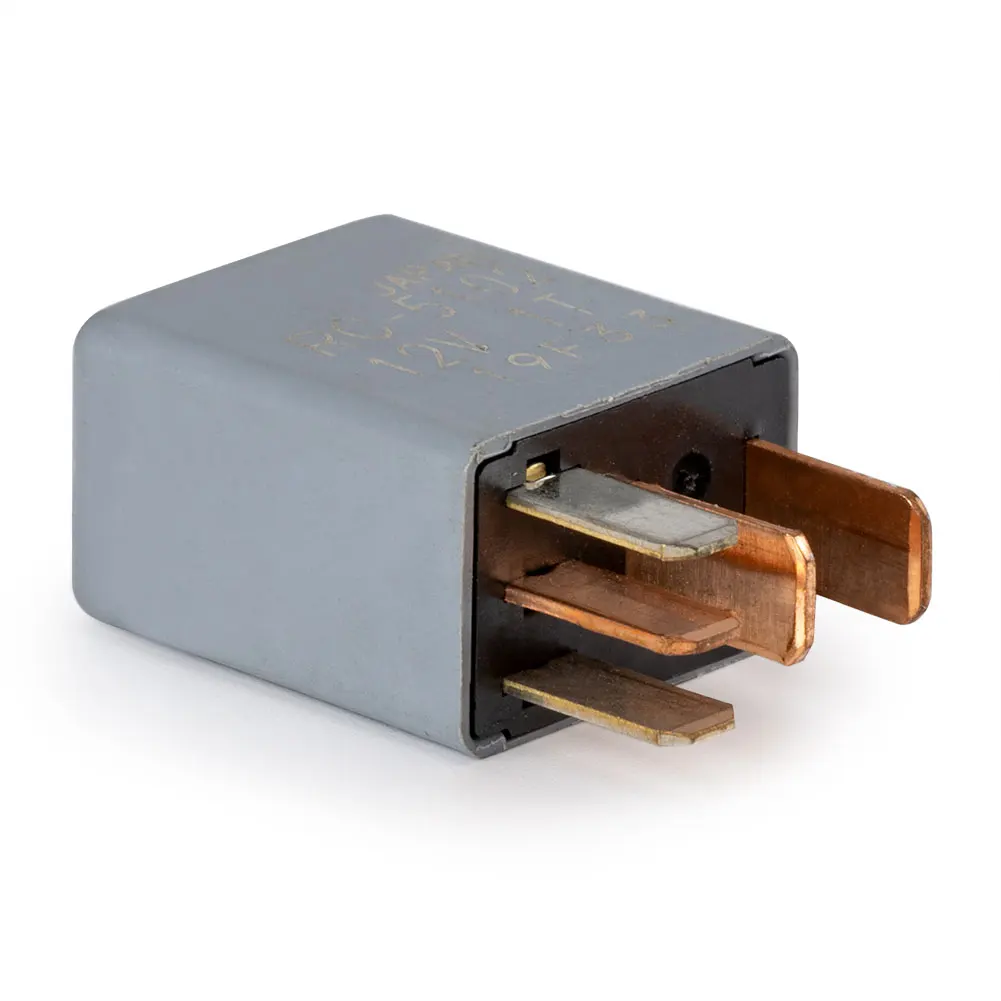
The 2002 Honda Civic boasts a reputation for reliability, fuel efficiency, and practicality among compact cars. However, like any vehicle, it can encounter its share of mechanical hiccups. One such issue that may arise is related to the starter relay—a seemingly innocuous component that plays a critical role in the vehicle’s functionality. In this exploration, we uncover the intricacies of the starter relay and fuse, elucidating their significance and addressing common concerns that pertain to them.
The Role of the Starter Relay
At the heart of the starting system, the starter relay functions as an electrical switch. It commands the flow of electricity from the battery to the starter motor. When the ignition key is turned, the starter relay receives a signal from the ignition switch. This, in turn, allows it to close the circuit, enabling the starter to crank the engine. The relay essentially acts as a gatekeeper, permitting only the necessary current to reach the starter motor, ensuring a seamless initiation of the vehicle’s engine.
Understanding the Starter Relay Fuse
The starter relay fuse is an indispensable companion to the relay itself. This small yet powerful component safeguards the entire starting system by preventing overcurrent—a condition that may arise due to electrical surges or component failures. Positioned within the fuse box, the starter relay fuse is a protective barrier that helps to avert potentially disastrous electrical failures, ensuring the longevity and performance of the ignition system. The fuse essentially acts as the first line of defense, absorbing any excess electrical pressure before it reaches the more sensitive components.
Identifying Symptoms of Failure
Awareness is the first step towards resolution. Various symptoms might signify an impending failure of the starter relay or its associated fuse. A vehicle exhibiting an inability to start can often indicate a malfunction in one of these components. Typically, distinct signs point towards issues:
- Clicking Sound: A classic symptom involves the peculiar clicking noise that arises when the ignition key is turned. This sound is often indicative of a faulty starter relay, suggesting that while power is present, it is not being transmitted effectively to the starter motor.
- No Sound: Conversely, the absence of any sound when attempting to start the engine may suggest a blown starter relay fuse. In this case, electricity is likely not reaching the starter relay, rendering it inactive.
- Intermittent Starting: Frequent, unpredictable failures to start, followed by occasional success can also point towards underlying issues in the relay or fuse, necessitating closer examination.
Diagnostic Techniques and Solutions
Diagnosing whether the issue lies with the starter relay or the fuse can be a perplexing endeavor. However, employing a few diagnostic strategies can offer clarity:
- Visual Inspection: Begin by examining the fuse box for any signs of damage, such as burning or corrosion. A visual inspection can quickly reveal if the starter relay fuse has blown, indicating the need for replacement.
- Multimeter Testing: Utilizing a multimeter can provide a more definitive diagnosis. Checking for continuity in the relay and verifying voltage at the starter motor can illuminate which component is faulty. Testing should be systematic to eliminate user error.
- Relay Replacement: If the starter relay is determined to be defective, replacing it is a straightforward process. You’ll find that it slots easily into place, restoring functionality to the starting system.
- Fuse Replacement: Should the fuse be the culprit, acquiring a replacement is typically an inexpensive solution. Be sure to replace the blown fuse with one of the same amperage to prevent further complications.
Preventative Measures and Maintenance
Taking proactive steps can extend the lifespan of the starter relay and fuse, thereby enhancing overall vehicle reliability. Consider the following preventative measures:
- Regular Electrical System Checks: Routine maintenance checks on the electrical system can help identify issues before they become significant problems. It’s wise to inspect wires for fraying or corrosion, which can lead to failures.
- Battery Care: Ensure that your battery terminals are clean and secure. Corroded or loose connections can lead to fluctuations in electrical power, putting undue stress on the starter relay and fuse.
- Quality Components: When replacing the starter relay or fuse, opt for high-quality components designed for your specific vehicle model. Inexpensive aftermarket parts may lead to premature failures.
Conclusion
Understanding the intricacies of the 2002 Honda Civic’s starter relay and fuse can revolutionize the way you perceive vehicle maintenance. By recognizing the significance of these components and developing familiarity with symptoms indicative of their failure, you empower yourself to tackle automotive issues with confidence. Not only will this knowledge serve you well, but it will also enhance the longevity and performance of your driving companion. Delve into diagnostics, embrace preventive strategies, and you may just alter your trajectory from reactive maintenance to proactive ownership. Beyond mere mechanical elements, the starter relay and fuse mark an intersection of insight—where informed vehicle stewardship meets rewarding automotive experiences.











Leave a Comment