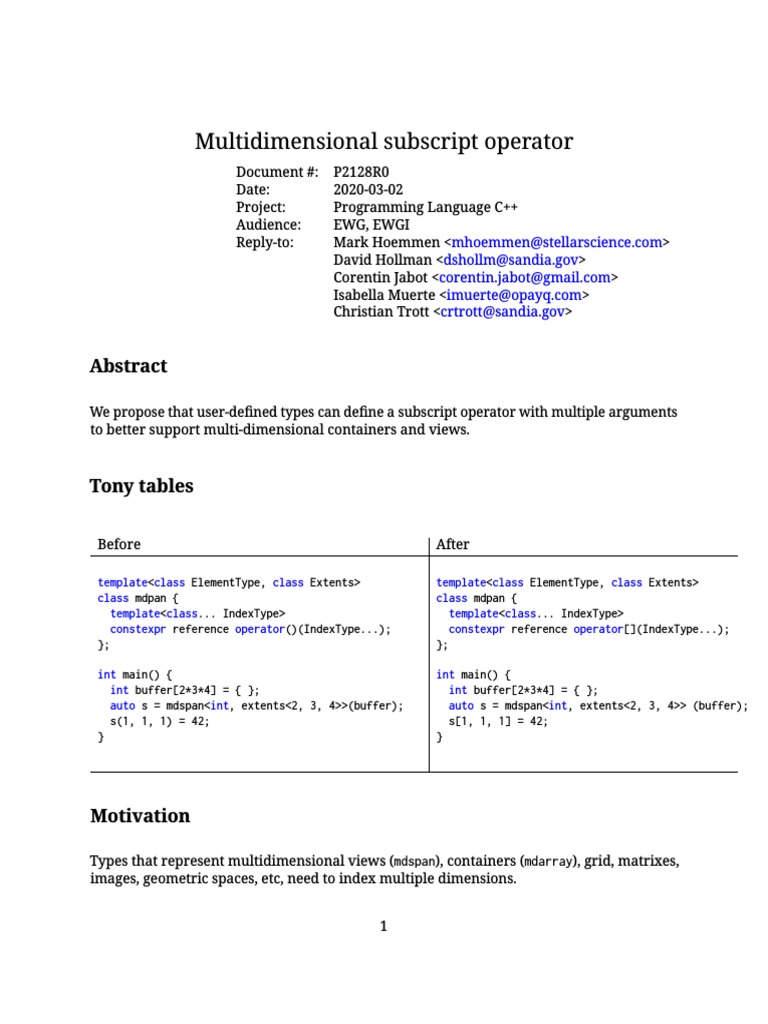
In the realm of programming, variables and their manipulation form the foundation upon which software applications are built. Among the myriad of concepts encountered, the “360 Mp GUI subscript with non-array variable” emerges as a particularly intriguing topic, encompassing various paradigms that explain its utilization and intricacies. This discussion will traverse the conceptual landscape of this subject matter, providing readers with a comprehensive understanding of the terminology, implementation, and practical considerations involved.
Understanding the Basics
To embark on this exploration, one must first grasp the fundamental definitions. “360 Mp” refers generally to a multi-dimensional programming context where various data points converge into a single framework. The “GUI” denotes a graphical user interface, an essential component facilitating user interaction through visual elements rather than command-line input. Thus, “subscript” in this context pertains to a specific indexing method employed to access data elements within the GUI framework, allowing programmers to specify and retrieve variable values effectively. When discussing subscripting with non-array variables, an array is not directly involved, and alternative data structures or types are applied to achieve similar outcomes.
The Role of Non-Array Variables
Non-array variables are singular constructs designed to hold specific data types such as integers, floating-point numbers, strings, or objects. They stand in contrast to arrays, which are collections of items that can be indexed. The ability to use non-array variables within a 360 Mp GUI framework introduces flexibility and simplicity, especially in scenarios where individual data points are required. Each type of non-array variable permits unique operations, thus influencing how subscripting is approached within the interface.
Types of Non-Array Variables
Understanding various types of non-array variables is vital to leveraging subscripting effectively. Here are some prevalent categories:
- Integer Variables: These serve as fundamental building blocks for numerical data manipulation, allowing operations such as addition, subtraction, or conditional checks.
- String Variables: Crafted to manage sequences of characters, strings facilitate the display of text data within GUI elements. String manipulation is crucial for crafting user prompts and messages.
- Boolean Variables: Representing binary states, such as true or false, boolean variables are instrumental in decision-making processes within the GUI. Using these variables can enhance user interactivity by toggling interface elements.
- Object Variables: Employed in object-oriented programming paradigms, object variables encapsulate data and behavior, forming a backbone for GUI elements that require complex interactions and states.
Implementing 360 Mp GUI Subscript
Integrating a 360 Mp GUI subscript with non-array variables involves a series of strategic steps, each critical for a seamless user experience. Below are the essential aspects to consider:
- Initialization of Non-Array Variables: Begin by defining and initializing the non-array variables needed for the GUI, ensuring they possess the correct data type and value. Adhering to consistent naming conventions adds to code clarity.
- Designing GUI Elements: Create components—buttons, fields, text areas—that adequately represent the non-array variables. Each component’s functionality should correlate with the variable it manipulates.
- Event Handling and Subscript Logic: Implement event handlers to manage user interactions. For instance, if a user inputs data into a field, an event may trigger subscripting logic to update relevant variables dynamically.
- Displaying Data Dynamically: Utilize the non-array variables to reflect state changes within the GUI. This might involve updating labels or input fields based on user interactions, providing immediate feedback that enhances usability.
Common Challenges and Limitations
While utilizing a 360 Mp GUI subscript with non-array variables presents numerous advantages, some challenges may arise. Among them is the difficulty in managing the data flow between GUI components especially as the complexity of the program increases. Ensuring consistent state synchronization between various display elements can be arduous. Additionally, meticulously maintaining data integrity becomes paramount; incorrect manipulation of non-array variables may lead to runtime errors, potentially degrading the user experience.
Best Practices for Utilization
To maximize the efficacy of non-array variable integrations within a 360 Mp GUI setting, adhering to best practices is essential. These include:
- Commenting and Documentation: Thoroughly document the purpose and functionality of each variable and GUI component, thus enhancing maintainability.
- Modular Programming: Break down the GUI and associated logic into modules, thereby promoting a clearer structure that simplifies updates and debugging efforts.
- Consistent Testing: Rigorous testing of user interactions ensures that subscripting logic behaves as expected. Employ unit tests to validate variable manipulations.
Conclusion
In summary, the efficient integration of a 360 Mp GUI subscript with non-array variables is an endeavor that requires a sound understanding of programming fundamentals, data types, and user interface design principles. As one explores the symbiotic relationship between non-array variables and graphical representations, a world of streamlined functionality and user engagement unfolds. By adhering to systematic methodologies and being cognizant of potential challenges, developers can harness the power of this programming approach, adding depth and interactivity to their software solutions.










Leave a Comment