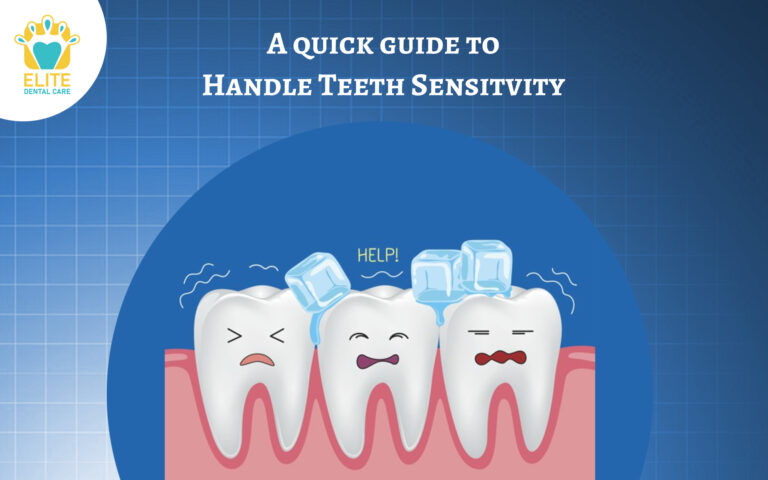
Have you ever bitten into a delicious ice cream cone and wondered, “Am I missing something?” Suddenly, you realize there’s a strange absence of that familiar sharp jab of cold sensitivity that usually follows. This playful conundrum can lead one to ponder: did my teeth lose sensitivity, or is it just a fleeting moment? Understanding the intricacies of tooth sensitivity is vital for maintaining optimal dental health. In this article, we’ll delve into the signs, causes, and solutions to decipher whether your teeth have indeed lost their sensitivity.
1. Recognizing the Signs of Reduced Sensitivity
When it comes to identifying changes in dental sensitivity, the first step lies in acute observation. Take note of these key signs:
- Experience of Pain: While a lack of sensitivity might seem advantageous, the absence of pain could also indicate a more significant issue at hand. Pay attention to any shifts in your pain experience, particularly when exposed to temperature extremes or sugary substances.
- Changes in Response to Stimuli: Take note of how your teeth react when you consume hot, cold, or sweet foods. If certain stimuli fail to elicit the expected response, it’s worth considering the possibility of reduced sensitivity.
- Increased Comfort: While it’s delightful to savor your food without a jolt of discomfort, be wary of enhanced comfort. This shift could suggest your nerve endings are becoming less reactive.
2. The Causes Behind Sensitivity Fluctuations
The human dental system is complex, and fluctuations in sensitivity can arise from an array of factors, each contributing nuanced variations to the sensory landscape of your teeth.
- Dental Health Changes: Treatments and procedures such as fillings, crowns, or even professional cleanings can temporarily alter the sensitivity of your teeth. These changes may mask underlying issues or denote healing.
- Enamel Erosion: The protective outer layer of your teeth, enamel, can wear away due to excessive consumption of acidic foods or beverages, leading to heightened sensitivity initially but possibly resulting in numbness over time as nerve endings become insulated.
- Gum Recession: When gums recede, collateral damage to the underlying nerves can result in paradoxical sensitivity loss. This occurs as the enamel-covered surfaces are replaced by more sensitive root tissues.
3. Conducting a Sensitivity Self-Examination
Check-in with your teeth through a thorough self-examination to gain insights into their current sensitivity status. Follow these steps for an effective assessment:
- Temperature Test: Gently sip hot and cold beverages, observing how your teeth react. A lack of sensation might be indicative of diminished sensitivity.
- Sugar Sensitivity Test: Consume a sugary treat and monitor whether your teeth exhibit any discomfort. The absence of pain can indicate a loss of responsiveness.
- Pressure Sensitivity Test: Use a soft toothbrush to apply pressure to various teeth. If you notice a lack of discomfort during this gentle probing, it may suggest a change in sensitivity.
4. The Role of Dental Professionals
While self-assessment provides valuable insights, it’s crucial to consult a dental professional for a comprehensive evaluation. They can discern potential underlying issues that might be contributing to changes in your dental sensitivity. Routine check-ups allow for:
- Expert Diagnostics: Dentists can diagnose conditions that may go unnoticed during self-examinations, such as fractures or deeper decay.
- Preventative Measures: Dentists can recommend preventive strategies, such as custom mouthguards, to mitigate sensitivity as well as enamel protection treatments.
- Customized Treatment Plans: Should sensitivity be a concern, professionals can devise tailored interventions aimed at restoring or maintaining healthy levels of tooth sensitivity.
5. Taking Action: What to Do Next?
Understanding whether your teeth have lost sensitivity is only half the battle. Armed with this knowledge, it’s time to take decisive action:
- Adopt a Sensitivity-Friendly Oral Care Routine: Utilize toothpaste specifically designed for sensitive teeth to help maintain optimal comfort levels.
- Monitor Dietary Choices: Reduce acidic foods and beverages that can exacerbate enamel erosion, and hydrate well to support oral health.
- Schedule Regular Dental Visits: Prioritize dental check-ups to ensure ongoing health, catch issues early, and receive personalized management recommendations.
So, have your teeth genuinely lost sensitivity, or are you navigating the complexities of dental reactions? Regardless, your dental health is paramount. By practicing mindfulness around your oral experiences, consulting with professionals, and taking preventive measures, you can navigate this dental landscape with confidence. Embrace the journey, and remember—your smile deserves the utmost care!








Leave a Comment