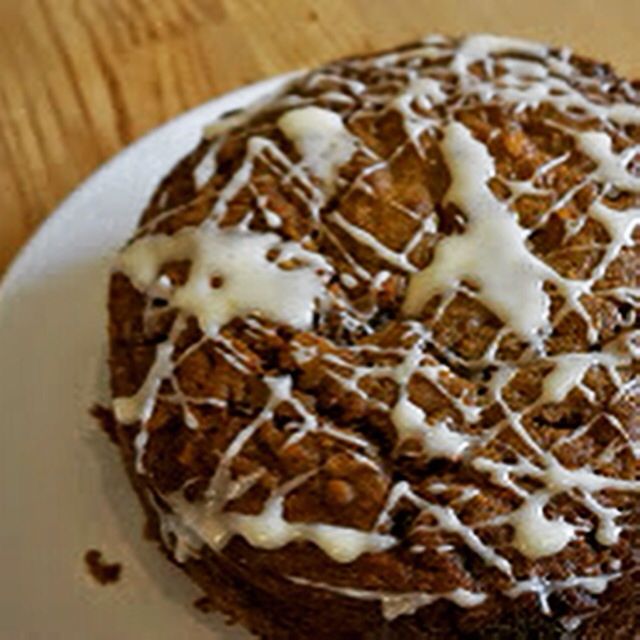
Carrot cake, an enchanting amalgamation of moistness and spice, rests comfortably in the pantheon of desserts. Its beguiling charm lies in the orchestra of flavors—sweet carrots harmonizing with warm cinnamon and zesty citrus—that lure us into each delectable bite. However, even this revered confection has a shelf life, and discerning the moment when carrot cake has crossed the threshold into spoilage requires an astute eye, a keen sense of smell, and a touch of culinary wisdom. Understanding the signs of spoilage not only saves you from an unpleasant experience but also respects the integrity of this timeless treat.
Knowing when carrot cake has gone bad is akin to uncovering a hidden gem in a treasure trove; it requires both careful observation and an understanding of the nuances involved. While the cake may linger in your fridge, looking inviting and fragrant, the delicate nectar of freshness can fade, leaving behind an unpleasant shadow of its former self. Here are several key indicators to help you ensure that your indulgence in carrot cake remains a delightful experience.
1. Visual Inspection: The First Line of Defense
Begin your evaluation with a thorough visual inspection. A fresh carrot cake, with its luscious orange flecks and perhaps a smear of cream cheese frosting, is a sight to behold. However, as time meanders by, its appearance can shift dramatically. Look for signs of mold, an unruly intruder that heralds decay. Mold often presents as fuzzy spots of green, blue, or black; these unwanted guests signal that the cake has overstayed its welcome. Additionally, if the cake exhibits an odd, unappetizing sheen, it might be time to part ways.
2. Aroma Assessment: The Olfactory Guide
Close your eyes and breathe deeply. The scent of a fresh carrot cake is a symphony of sweetness, spices, and earthy undertones. However, an olfactory shift can indicate spoilage. An off or sour smell, reminiscent of a damp cellar, should send alarm bells ringing. The enchanting fragrance of your beloved dessert may transform into a warning signal when it begins to ferment. Always let your sense of smell lead you to the truth lurking beneath the icing.
3. Textural Changes: A Tender Touch
Once you’re armed with visual and olfactory cues, it’s time to engage the sense of touch. A slice of fresh carrot cake is soft and yielding, like a gentle embrace. As it begins to spoil, its texture can take on a disconcerting quality—dry and crumbly, or alternatively, soggy and unappetizing. Use your fingers to gauge the moistness; a cake that feels excessively sticky may harbor unwanted bacteria. Remember, the texture will tell tales that words cannot, so trust your instincts.
4. The Timeline: Expiry Awareness
Time is an ever-present factor in the life of carrot cake. Freshly baked carrot cake, when stored properly, typically endures for about 5 to 7 days in the refrigerator. It is important to note the difference if the cake was frosted or not. Cream cheese frosting may shorten its lifespan due to the dairy content. For those who favor a frozen option, carrot cake can remain in the icy abyss for up to three months, but careful wrapping is essential to preserve its integrity. Just as we age, so too does our beloved cake; keep a vigilant eye on the passage of time.
5. Flavor Profile: The Final Frontier
Perhaps the most crucial determinant in your quest for freshness lies in the flavor. When you finally indulge, take a moment to savor the experience. A fresh carrot cake is a luxurious burst of sweetness punctuated by spices. Should your taste buds encounter a bitter or sour note, it is a harbinger of spoilage. The harmony of flavors that once danced on your palate has been usurped by the bitterness of decay, and it signals that it’s time to discard that once-glorious creation.
6. Storage Secrets: Prolonging Longevity
Prevention is always more palatable than remedy. To extend the life of your carrot cake, proper storage is paramount. Keep it tightly sealed in an airtight container to shield it from moisture and foreign odors that may encroach upon its delicate nature. A cool, dark corner of your refrigerator is an ideal sanctuary. For longer storage, wrapping it in plastic wrap followed by foil ensures the cake remains preserved against the perils of freezer burn—a true guardian of flavor.
7. The Compromise of Vegan and Gluten-Free Options
In the quest for ideal dietary compatibility, you may encounter variations of carrot cake that embrace vegan or gluten-free ingredients. While these alternatives can be delightful, they often possess different shelf lives due to the absence of traditional preservatives like eggs or flour. These innovative recipes might be more prone to spoilage, necessitating even closer scrutiny regarding signs of decay. Familiarize yourself with the ingredients used to determine the longevity of these delightful twists on the classic.
In conclusion, being attuned to the subtle shifts in your carrot cake’s demeanor allows you to relish every slice while avoiding dietary mishaps. Like an artist interpreting a canvas, observe the signs with discernment: visual cues, aromas, textures, timelines, and flavors all contribute to the larger picture of freshness. As you savor a piece of that spiced delight, remember to honor its journey from oven to table by ensuring you consume it within its prime, preserving its unique appeal for as long as possible.










Leave a Comment