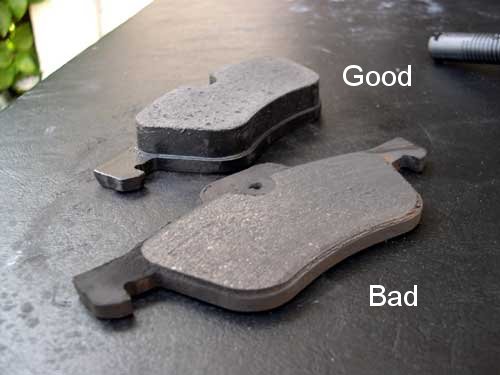
Brake pads are an essential component of a vehicle’s braking system, serving a critical role in ensuring safety on the road. Yet, despite their importance, many drivers overlook the frequency with which they should replace these vital parts. Observing whether they are due for a change may spark curiosity, but the underlying reasons delve deep into the interplay of materials, driving habits, and environmental factors. This guide aims to demystify this seemingly mundane aspect of vehicular maintenance, shedding light on how often one should change their brake pads while exploring the deeper implications tied to this task.
Understanding Brake Pads
Before delving into the frequency of replacement, it’s crucial to understand what brake pads are and how they function. Brake pads are made from friction materials and are designed to create the necessary friction against the brake rotors, converting kinetic energy into thermal energy, thereby slowing down or stopping the vehicle. The composition of these materials—ranging from organic compounds to metallic substances—can significantly influence their longevity and performance. The choice of material can lead to different wear rates under various driving conditions.
General Lifespan of Brake Pads
Brake pads have a varying lifespan, typically ranging from 30,000 to 70,000 miles, but this range depends on several internal and external factors. It’s essential to recognize that this estimate is not a one-size-fits-all rule; individual vehicle performance, driving style, and even the conditions driven can skew these numbers dramatically. Regular monitoring is key to ensuring that your brake pads perform optimally, and knowing how often they should be inspected can lead to timely replacements.
Factors Influencing Brake Pad Wear
1. Driving Habits: An aggressive driving style—characterized by rapid acceleration and sudden braking—can lead to faster wear. Those who frequently drive in stop-and-go traffic or navigate hilly terrain may find themselves needing replacements more often than those who maintain a steady pace.
2. Type of Brake Pads: The type of brake pads installed in your vehicle matters. High-performance pads, while excellent for racing or sport driving, may wear down faster under normal conditions than their standard counterparts. Knowing the purpose of each pad type can influence replacement intervals.
3. Vehicle Type: Heavier vehicles such as trucks and SUVs typically exert additional pressure on brake pads, leading to faster wear. Smaller, lighter cars generally experience less strain, thus prolonging the lifespan of their brake components.
4. Road Conditions: Driving in environments with excessive dust, debris, or corrosive substances can accelerate wear rates. Similarly, wet or icy roads demand greater stopping power, which can also lead to accelerated brake pad life depletion.
5. Quality of Installation: Proper installation can greatly influence brake pad longevity. Poor installation may lead to uneven wear, which necessitates premature replacement. It is essential to rely on a reputable technician to ensure optimum performance and durability.
Signs of Worn Brake Pads
1. Squeaking or Grinding Noises: If you hear a high-pitched squeal when applying the brakes, this may signal that the brake pads have worn thin. Grinding noises indicate that the pads have deteriorated so much that they are damaging the rotors. In both instances, immediate replacement is essential to avoid costly repairs.
2. Reduced Brake Performance: If the car takes longer to stop or if you feel vibrations when braking, this could indicate worn pads. Such experiences should initiate a thorough inspection of the brakes.
3. Warning Lights: Many modern vehicles are equipped with a brake warning light on the dashboard. If this light activates, it’s advisable to consult the vehicle’s manual and seek professional assessment.
4. Physical Inspection: If you can visually inspect the brake pads through the wheel spokes, look for a thickness of less than a quarter of an inch. This indicates that it’s time for a replacement.
Maintaining Your Brake System
Maintenance stretches beyond merely changing brake pads. Regular inspections can catch issues like rotor wear or fluid leaks early on, preventing more significant problems and associated costs. It’s prudent to have a professional check your brakes at least once a year or every 12,000 miles, ensuring all components function harmoniously.
Conclusion
The frequency of changing brake pads transcends a mere numeric figure; it encapsulates a broader conversation about the intricate dynamics of vehicle safety, performance, and maintenance. Understanding the myriad factors that contribute to brake pad wear allows drivers to make informed decisions regarding their vehicles. Engaging with signs of wear and conducting routine inspections can pave the way for safer travels and prolonged vehicle life. In the end, the quest for knowledge about brake pad replacement intertwines with the ongoing responsibility of vehicle care, beckoning the thoughtful driver to consider the roads that lie ahead.











Leave a Comment