Why Do My Eyelashes Hurt?
In the intricate tapestry of eye care and beauty, our eyelashes often occupy a deceptively unassuming role. However, when you experience discomfort or pain in this delicate area, it may prompt a cascade of questions. What could be causing this sensation? Should concern arise? In this exploration, we’ll traverse the various factors that contribute to eyelash pain, uncover potential remedies, and perhaps even shift your perspective on eyelash health.
1. Understanding Eyelash Anatomy
To comprehend why your eyelashes may be aching, it is beneficial to delve into their anatomy. Eyelashes, those charming fringes that adorn our eyelids, have a vital role in protecting the eyes from debris and enhancing the expression of emotions. Each eyelash grows from a hair follicle in the skin of the eyelid, with a growth cycle consisting of three phases: the anagen (growth), catagen (resting), and telogen (shedding) stages. An intricate connection exists between the hair follicles and the surrounding nerve endings, which may become hypersensitive under certain conditions.
2. Common Causes of Eyelash Discomfort
Eyelash pain can stem from a variety of factors, each warranting distinct consideration. Understanding these causes can provide insight and encourage a proactive approach to alleviation.
A. Allergies and Irritants
Environmental allergies, or even sensitivities to beauty products, can lead to eyelash discomfort. Pollen, dust, and pet dander are common culprits; a simple allergic reaction can cause swelling and irritation of the eyelids and surrounding areas. Additionally, components in mascaras, liners, or eyelash adhesives may trigger adverse responses. Fragrances, preservatives, and other chemicals may contribute to this turmoil, leading to inflamed follicles.
B. Infections
Another potential cause of eyelash pain is infection. Conditions like blepharitis, which results in inflammation of the eyelids, often manifest through tenderness and discomfort around the eyelashes. More severe infections can arise from bacteria or fungi, creating localized pain and potentially affecting vision. These infections warrant immediate attention, as prompt treatment can circumvent further complications.
C. Eyelash Trichotillomania
On a psychological note, some individuals may experience a compulsive habit known as trichotillomania—a condition characterized by the relentless urge to pull out eyelashes. This behavior, while often unintentional, can lead to significant pain, follicle damage, and psychological distress. Addressing this habit often necessitates a comprehensive psychological approach.
D. Physical Injury
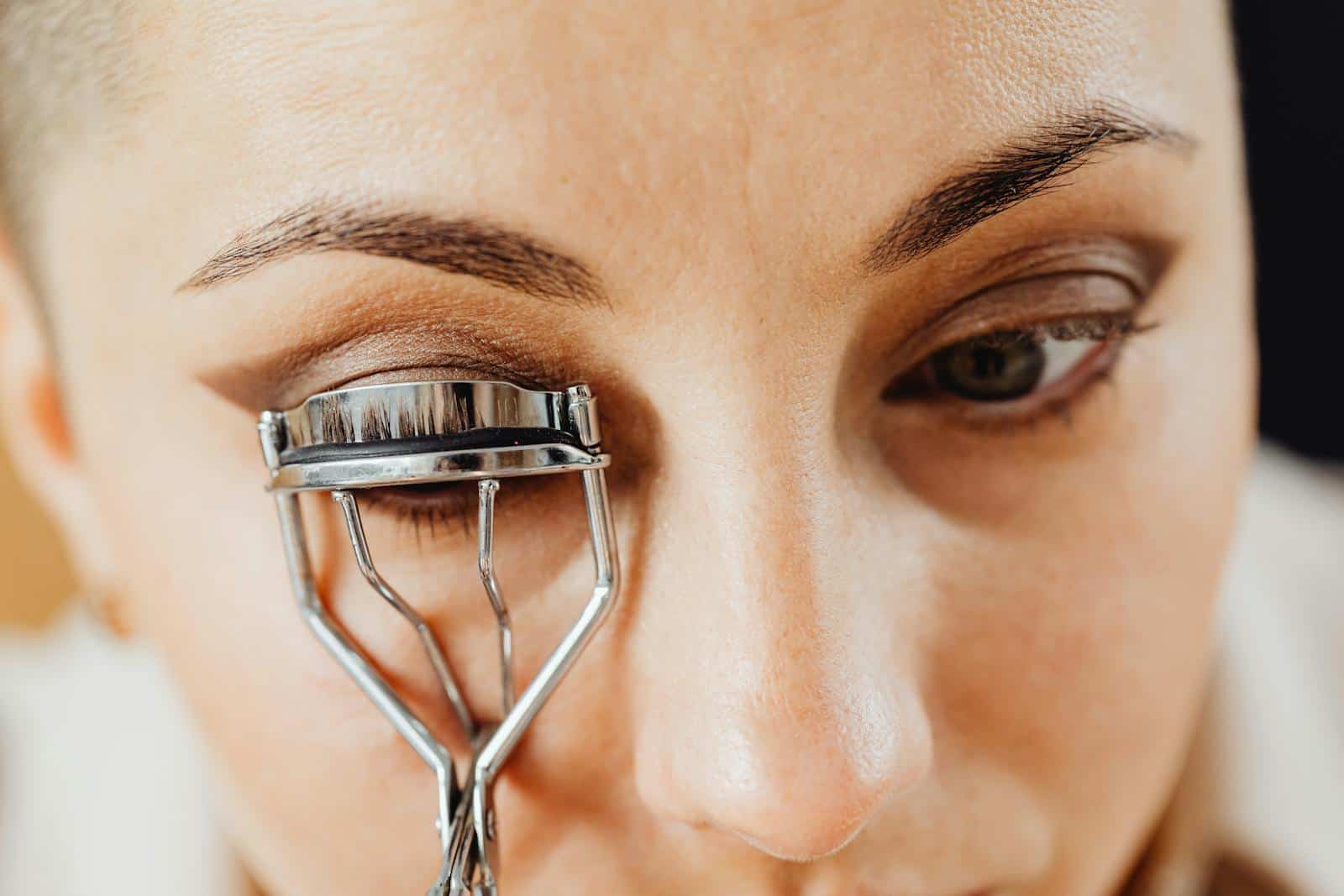
Occasionally, eyelashes suffer from physical trauma. Accidental twirls with an eyelash curler or the unintentional snagging of lashes can lead to pain and discomfort. Such physical injuries may not always be evident immediately, given that the eyelids can be remarkably forgiving until an infection develops from the damaged area.
E. Stress Effects
Interestingly, stress can influence bodily tension and may even manifest through various physical symptoms, including discomfort around the eyes. Stress-induced habits, such as squinting or rubbing the eyes, can exacerbate eyelash pain. Understanding this correlation may encourage mindfulness about one’s physical reactions to stressors.
3. Remedies and Preventive Measures
Addressing eyelash discomfort is essential for both aesthetic and ocular health. Here are several strategies for alleviation and prevention:
A. Allergies Management
To manage allergy-related eyelash discomfort, consider an elimination approach. Identify and avoid known irritants, using hypoallergenic makeup products. Regular cleaning of the eyelid area with gentle cleansers can also help reduce allergens.
B. Proper Hygiene
Maintaining optimal eyelid hygiene is paramount. Regularly washing your eyelids and eyelashes can prevent the buildup of oils and bacteria, reducing the risk of infections. A gentle approach is crucial, as overly aggressive cleansing can exacerbate sensitivity.
C. Seek Professional Care
If eyelash discomfort persists, seeking consultation with a medical professional or an eye specialist is advisable. Diagnosing conditions like blepharitis or infections will allow for appropriate interventions, including topical treatments or medications.
D. Psychological Support
For those grappling with trichotillomania, support is available. Therapies such as cognitive-behavioral therapy can offer tools to address the underlying compulsions. A supportive network can significantly enhance the journey toward recovery.
E. Stress Management
Implementing stress-reducing techniques, such as mindfulness, meditation, or engaging in enjoyable activities, can alleviate physical symptoms across the board, including eyelash discomfort. Recognizing stressors and modulating responses to them can foster not just eyelash health but overall well-being.
Final Thoughts
Your eyelashes, often underestimated in their importance, deserve attention and care. Understanding the reasons behind eyelash pain empowers you to take control of your eye health, transforming discomfort into knowledge. With this newfound insight, you may approach eyelash care with renewed appreciation, ensuring that they remain a source of beauty and protection for years to come.










Leave a Comment