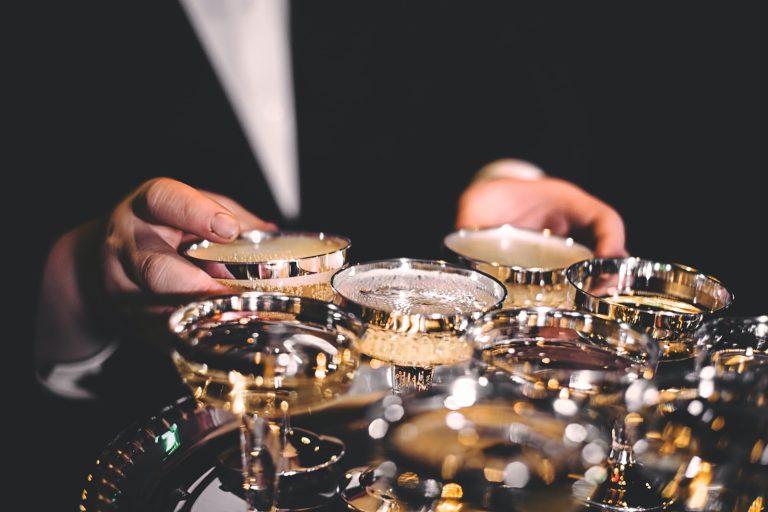
When sipping a glass of champagne, be it during a celebratory toast or a casual weekend brunch, one might not ponder the precise alcohol content within this effervescent delight. Understanding the alcohol by volume (ABV) in champagne is more than just trivia; it illuminates the beverage’s characteristics, influences food pairings, and shapes the overall drinking experience. This article delves into the nuances of how much alcohol is in champagne, exploring its definitions, variations, and the implications of each.
Champagne, the iconic sparkling wine produced exclusively in the Champagne region of France, typically boasts an alcohol content ranging from 12% to 12.5% ABV. However, this can vary based on several factors, including the type of champagne, its production method, and the style intended by the winemaker.
To fully grasp the complexities of champagne, it’s essential to understand the various classifications and the specificities of each. Here are the primary types of champagne and the associated alcohol contents:
1. Non-Vintage Champagne
Non-vintage (NV) champagne is the most prevalent style. It is crafted from a blend of wines from various years, allowing winemakers to maintain a consistent house style year over year. The alcohol content of NV champagnes typically hovers around 12% ABV, striking a balance that appeals to diverse palates.
2. Vintage Champagne
In contrast, vintage champagne is made from grapes harvested in a specific year, reflecting the unique characteristics of that vintage. This type often exhibits a higher alcohol content, ranging from 12% to a maximum of 13% ABV. The elevated alcohol levels can enhance the wine’s body and complexity, making vintage champagnes ideal for aging.
3. Blanc de Blancs
Blanc de Blancs, a sparkling wine made exclusively from Chardonnay grapes, often presents a more delicate profile. Its alcohol content usually aligns closely with that of NV champagnes, typically around 12% ABV, but can vary slightly. The elegance of Blanc de Blancs is characterized not only by its alcohol content but also by its bright acidity and minerality, which can make the wine seem lighter on the palate.
4. Blanc de Noirs
On the other end of the spectrum lies Blanc de Noirs, made predominantly from black grape varieties such as Pinot Noir and Pinot Meunier. These champagnes can sometimes exhibit higher alcohol levels, pushing toward 12.5% ABV. The richer fruit flavors often accompany the increased body that comes from the black grapes, resulting in a more robust experience.
5. Rosé Champagne
Rosé champagne, celebrated for its alluring pink hue, can be crafted using two distinct methods—blending red and white wines or through skin contact with black grapes. The alcohol content typically mirrors that of non-vintage options, usually around 12% ABV, yet can occasionally reach up to 13% depending on the grapes used. The vibrant fruits and floral notes in rosé contribute to its refreshing nature, making it a popular choice for many occasions.
While the alcohol content is a critical component in determining the overall profile of champagne, other elements also merit consideration. Factors such as residual sugar levels, acidity, and aging also significantly impact taste and perception.
Champagnes can generally fall into different sweetness categories, which can influence not only flavor but also balance. The sweetness levels range from Brut Nature (no added sugar) to Doux (very sweet), with most champagnes listed as Brut, containing a small amount of added sugar. These sweetness levels can create perceived alterations in the alcohol experience, as sweeter wines might mask the alcohol’s warmth compared to drier varieties.
Moreover, understanding the context in which champagne is consumed can deepen one’s appreciation of its alcohol content and style. For instance, a celebratory toast to mark a significant milestone might call for a vintage or premium cuvée, while a casual meal pairing may align with a non-vintage brut.
As the nuanced characteristics of champagne illuminate its place in social rituals and gastronomy, it’s essential to be mindful of consumption. Enjoying champagne, like any alcoholic beverage, should be approached with moderation and mindfulness of its alcoholic qualities.
In sum, the percentage of alcohol found in champagne, typically ranging from 12% to 13% ABV, illustrates the convergence of tradition, style, and the artistry of winemaking. Each type of champagne communicates its own unique narrative through its production methods, grape varieties, and aging processes, inviting enthusiasts to explore the diverse possibilities they offer. Whether indulging in a glass during a major celebration or enjoying a quiet evening in, understanding the alcohol content can enhance one’s appreciation and enjoyment of this quintessential sparkling wine.
Ultimately, the journey through the sparkling world of champagne reveals that each sip tells a story, influenced by intricate factors behind its creation, culminating in an experience that is ultimately rich, celebratory, and deserving of exploration.




Leave a Comment