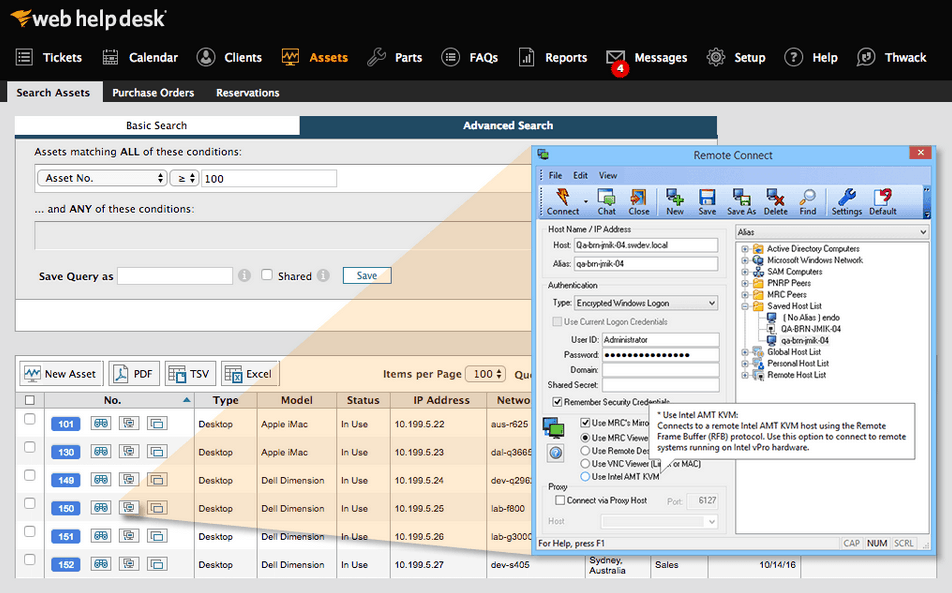
In the ever-evolving world of technology, how often do we pause to ponder the underlying frameworks that facilitate our online experiences? One such framework is Gstatic, an integral component of Google’s ecosystem, particularly influential in the realm of helpdesk software. But what if this vital cog in the machine malfunctions? Could it complicate interactions with helpdesk software? As we dive into the intricacies of Gstatic and its relevance to helpdesk systems, we will explore its functionalities, benefits, and potential pitfalls.
Understanding Gstatic
At its core, Gstatic serves as a content delivery network (CDN) for Google’s static content. This includes an array of assets such as images, CSS files, and JavaScript libraries. The primary function of Gstatic is to enhance loading speeds and enhance user experiences by distributing content across a global network of servers. By reducing the physical distance between a user and the resource needed, Gstatic endeavors to facilitate a seamless interaction as users engage with various web applications.
The Connection to Helpdesk Software
Helpdesk software, designed to manage customer queries and support requests, often requires access to multiple web resources simultaneously. Here, Gstatic comes into play as a catalyst for efficiency. When helpdesk platforms leverage Gstatic for their static assets, they often experience significantly reduced load times, translating to quicker responsiveness. Imagine a customer waiting impatiently for a solution—now imagine that wait shrinking because Gstatic is optimally distributing resources. Part of the robustness of modern helpdesk software relies on such efficiencies.
Benefits of Utilizing Gstatic
Integrating Gstatic into helpdesk software offers myriad advantages:
- Faster Load Times: Users benefit from rapid access to images and scripts, ultimately enhancing their experience and satisfaction levels.
- Improved User Experience: A responsive system encourages users to engage more deeply with the helpdesk, allowing for quicker resolution of issues.
- Scalability: As businesses grow, their helpdesk software often needs to accommodate increasing volumes of queries without sacrificing performance. Gstatic’s infrastructure naturally scales to meet these demands.
- Reliable Uptime: Google’s infrastructure ensures a high level of reliability, meaning that static assets are less likely to become unavailable due to server issues.
- Enhanced Security: Leveraging Gstatic can bolster security measures. By accessing trusted Google servers, the risk of malicious exploitation diminishes.
Challenges to Contemplate
While the advantages are compelling, it is crucial to acknowledge potential challenges associated with the utilization of Gstatic:
- Dependency Risks: Relying heavily on external resources, such as Gstatic, can lead to vulnerabilities, particularly if there’s a service interruption.
- Cache Management: The complexities of caching can lead to outdated files being served to users, complicating troubleshooting efforts within helpdesk software.
- Integration Hurdles: Merging Gstatic CDN links into existing helpdesk infrastructures may pose activation barriers—especially for legacy systems.
Optimization Techniques for Gstatic Usage
To harness Gstatic effectively, consider employing several optimization strategies:
- Proper Caching Strategies: Implementing intelligent caching rules can ensure that users receive the most up-to-date content without unnecessary delays.
- Monitoring Tools: Use analytics to monitor the performance of Gstatic assets, recognizing patterns that may indicate issues or areas for improvement.
- Fallback Mechanisms: Design your helpdesk software with fallback mechanisms to maintain functionality in case of Gstatic outages or slowdowns.
- Responsive Design: Emphasize responsive design in helpdesk software so that all elements, whether delivered via Gstatic or not, adapt to varying user devices and network conditions.
Real-World Applications
Organizations of all shapes and sizes have successfully harnessed Gstatic in their helpdesk environments. For example, a mid-sized tech company that implemented a helpdesk solution integrated with Gstatic witnessed a 35% reduction in page load times. This prompted an observable increase in ticket resolution rates, as both customers and support agents benefited from the enhanced interactivity provided by rapid content delivery.
Another noteworthy scenario involves a large enterprise, where a significant spike in user queries during software updates posed immense strain on the legacy helpdesk system. By embedding Gstatic links for essential CSS and JS files into their helpdesk platform, they managed to withstand heavy traffic without a noticeable degradation in performance.
Summing It Up
As we navigate the complexities of online communication, Gstatic stands as a seemingly unassuming yet pivotal player in the functioning of helpdesk software. Its abilities to enhance loading times, improve user experiences, and secure uptime are counterbalanced by potential challenges that come with dependency on external content delivery networks. Striking a delicate balance between leveraging Gstatic’s capabilities and mitigating its risks can empower organizations to cultivate more responsive and resilient support systems. So, the next time you ponder the mechanics of your online encounters, consider the unseen forces, like Gstatic, that contribute significantly to the efficiency of helpdesk solutions. Are we ready to explore what lies beneath the surface?











Leave a Comment