Life is akin to a grand tapestry—a vibrant collage of experiences, decisions, and unforeseen circumstances. Sometimes, however, the threads run frayed, and financial calamity looms over one’s carefully woven fabric. In these moments, individuals often contemplate a drastic decision: filing for bankruptcy. This process, much like a double-edged sword, offers its own set of advantages and drawbacks. In this exploration, we unravel the complexities of bankruptcy, illustrating both its benefits and potential setbacks.
Understanding Bankruptcy: A Brief Overview
Bankruptcy serves as a legal sanctuary for individuals or businesses overwhelmed by insurmountable debt. It provides a structured means of eliminating or reorganizing debt, granting relief to those ensnared in a cycle of financial despair. Much like a reset button, it allows individuals a chance to reorient their lives and start anew. Yet, this seemingly straightforward remedy comes with a myriad of implications. Let’s delve deeper into its pros and cons.
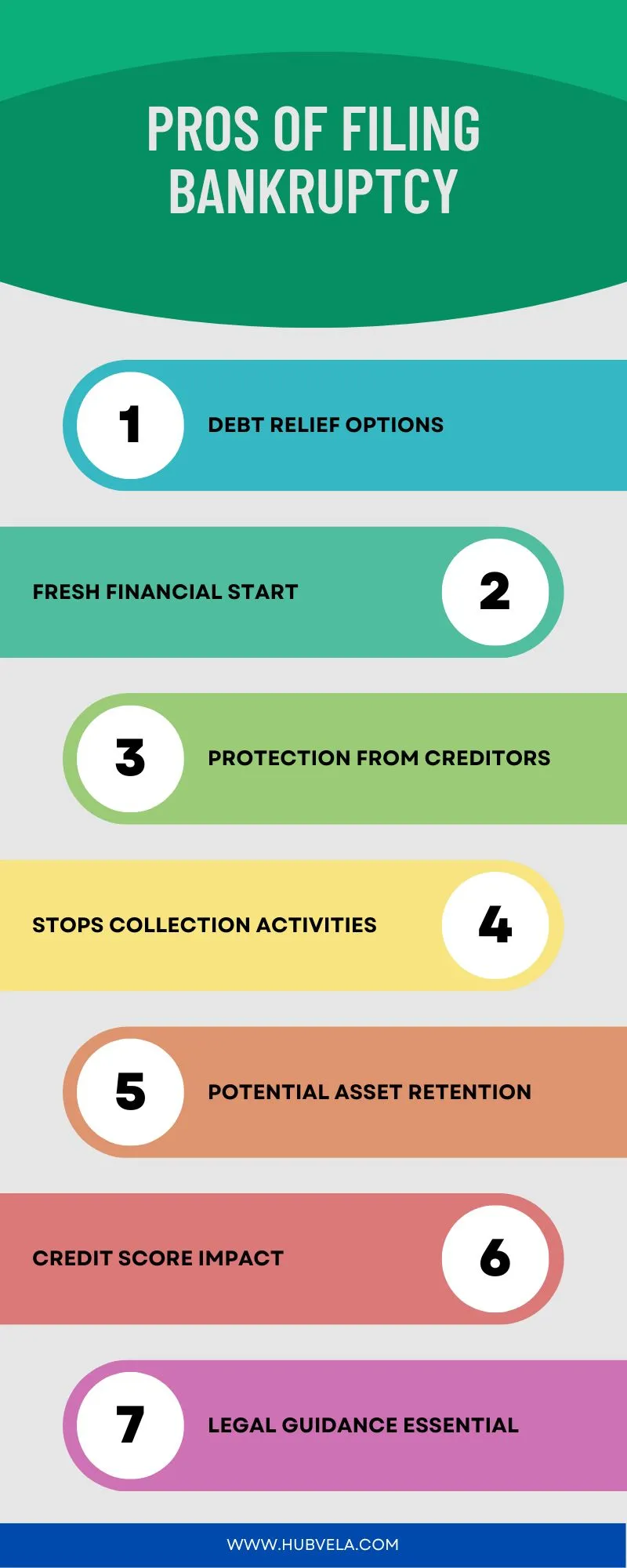
The Pros of Filing Bankruptcy
1. Fresh Start: Reclaiming Financial Control
At its core, bankruptcy can act as a phoenix rising from the ashes of financial ruin. By discharging certain debts, individuals gain a breath of fresh air, affording them the opportunity to rebuild their financial standing. This newfound freedom can pave the way for better budgeting habits and financial literacy, transforming past mistakes into lessons learned.
2. Protection from Creditors: A Shield Against Harassment
The moment one files for bankruptcy, an automatic stay is enacted. This legal mechanism serves as a protective barrier, halting any ongoing collection efforts. It’s akin to raising a defensive shield against the relentless barrage of creditor calls, lawsuits, and wage garnishments, offering a much-needed respite during turbulent times.
3. Debt Relief: Simplification of Financial Obligations
Filing for bankruptcy can lead to significant debt reduction or complete discharge of unsecured debts, such as credit cards and medical bills. This simplification can alleviate the overwhelming burden carried by individuals, allowing them to focus on more pressing concerns without the heavy weight of unmanageable financial obligations.
4. Improved Credit Opportunities Over Time
Although bankruptcy initially tarnishes one’s credit score, it can paradoxically lead to greater financial opportunities in the long run. With diligent financial practices and responsible borrowing post-bankruptcy, individuals can gradually improve their credit ratings. It’s akin to a hard reset on a malfunctioning device—though painful at first, it may eventually restore the device to optimal function.
5. Legal Protection: Remaining Within the Framework of the Law
Bankruptcy offers a legal route to address financial hardships. By complying with the established laws and regulations, individuals can navigate a challenging landscape with the assurance that they are operating within the framework of the law. This legal endorsement can provide solace to those grappling with the overwhelming stresses of debt.
The Cons of Filing Bankruptcy
1. Long-Lasting Stigma: The Shadow of Financial Failure
In the intricate social fabric, bankruptcy carries a certain stigma. The perception of failure pervades, leaving a lingering shadow on one’s reputation. Many fear that declaring bankruptcy will be a mark of shame, affecting personal relationships and professional opportunities for years to come. It becomes a specter that haunts even the most resolute individuals seeking a fresh start.
2. Impact on Credit Rating: The Hurdle of Rebuilding
The initial repercussions of bankruptcy can be severe. A dramatic drop in credit scores often ensues, complicating future borrowing endeavors. Much like trying to ascend a steep hill under heavy burdens, individuals may find it challenging to secure loans or reasonable interest rates in the aftermath of their bankruptcy filing. This can hinder aspirations for home ownership, car loans, and other financial milestones.
3. Not All Debts Are Discharged: The Reality of Remaining Obligations
While bankruptcy can discharge a significant amount of debt, not all obligations are absolved. Certain debts, such as student loans, tax liabilities, and child support, remain intractable even after filing. This can create disillusionment for those who expected a complete financial cleansing, leaving behind unresolved financial burdens that necessitate ongoing management.
4. Legal and Filing Fees: The Cost of Relief
Embarking on the bankruptcy journey can prove costly. Filing fees, legal consultation charges, and associated expenses can accumulate, posing an added financial strain to those already in distress. It’s crucial to weigh the benefits against these necessary expenditures when considering bankruptcy as a solution.
5. Loss of Property: The Price of Redemption
In certain bankruptcy proceedings, particularly Chapter 7, individuals may risk losing non-exempt assets to satisfy creditors. This reality can lead to significant emotional turmoil as individuals grapple with relinquishing possessions that hold sentimental value. It’s a stark reminder of the transactional nature of financial distress—an emotional toll often overlooked.
Conclusion: The Journey Ahead
Navigating the path of bankruptcy is not a decision made lightly. It’s a complex maze filled with both promising exits and daunting dead ends. Weighing the pros and cons reveals a landscape fraught with potential—an opportunity for revitalization amid hardship—but also fraught with challenges that can haunt for years. As individuals stand on the precipice of this decision, they must consider not only the immediate relief but also the long-term ramifications, crafting a wise strategy that will lead to financial rejuvenation. In the end, much like weaving a new tapestry, the goal remains to create a masterpiece from the fibers of experience, resilience, and newfound knowledge.









Leave a Comment