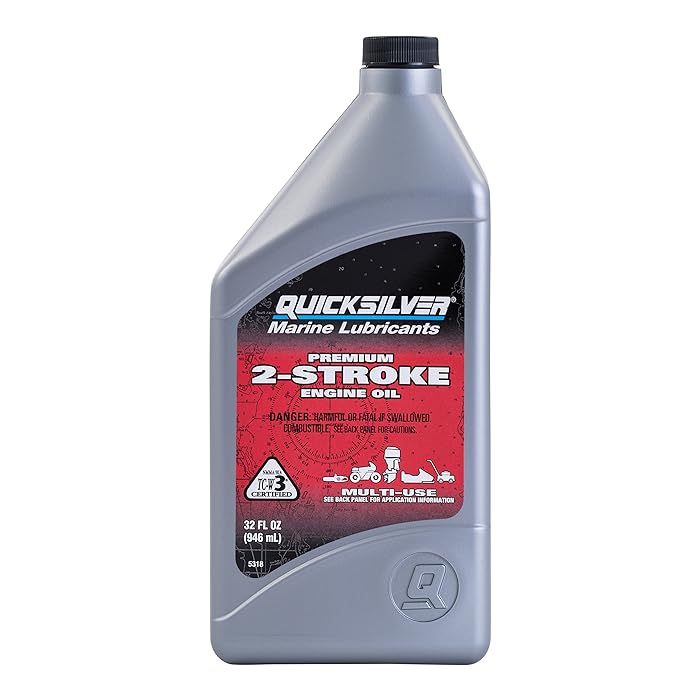
Picture a finely tuned symphony, where every note resonates in perfect harmony—a melody created by the intricate dance of pistons and fuel within the heart of a two-stroke engine. This mechanical ensemble requires a critical component to generate its alluring crescendo: oil. Specifically formulated for its unique operational demands, two-stroke engine oil plays an instrumental role akin to a conductor guiding an orchestra. In this article, we will navigate the expansive world of oils for two-stroke engines to decode their essence, selection criteria, and vital maintenance tips.
The Necessity of Oil in Two-Stroke Engines
Two-stroke engines, renowned for their simplicity and lightweight design, are common in applications from chainsaws to scooters. Unlike their four-stroke counterparts that have distinct lubrication systems, two-stroke engines rely on the incoming fuel mixture to simultaneously lubricate and combust. This delicate balancing act means the right oil is indispensable. Just as a painter relies on various hues to create a masterpiece, a mechanic must intricately select oil tailored to enhance performance, durability, and efficiency.
Types of Oils Available
The world of two-stroke oils is as diverse as the engines they service. Broadly, there are two categories: mineral oil and synthesized oil.
1. Mineral Oil
Natural and derived from crude oil, mineral oils are often less expensive and provide reliable performance for basic tasks. They can be likened to a traditional canvas, serving foundational utility, albeit with slightly less refinement in high-performance situations.
2. Synthetic Oil
In contrast, synthetic oils are artificially engineered compounds designed for superior performance. They offer improved lubrication and reduced emissions. Picture the difference between handcrafted artisanal bread and mass-produced loaves—synthetic oils give you that professional edge, enhancing engine longevity and reducing carbon deposits.
It’s also important to note that some manufacturers offer biodegradable oil, a conscientious choice for environmentally aware users. These oils, produced from natural sources, break down more quickly than conventional oil, mitigating harm to the ecosystem.
Choosing the Right Oil
The selection of two-stroke oil is not simply a matter of personal preference; it is dictated by several integral factors. Just as a chef is guided by the flavors and textures of ingredients, understanding oil specifications is essential.
1. Viscosity Rating
Oils are rated by their viscosity, indicating how easily they flow at various temperatures. For two-stroke engines, a common viscosity rating is SAE 30 in warmer conditions, while lighter oils might be preferable for colder climes. Think of viscosity as the thickness of paint—the right consistency will achieve the desired finish without running or becoming overly dry.
2. Oil-Fuel Mixing Ratio
Different engines require varying oil-to-fuel ratios, typically ranging from 50:1 to 16:1. The first number represents oil, while the second signifies fuel. This ratio is akin to a secret recipe; get it wrong, and your engine will either choke on excess oil or starve for lubrication.
3. API Certification
Always look for oils with an API (American Petroleum Institute) certification. This badge of approval signifies the oil meets specific performance standards. It’s as essential as a seal of authenticity when purchasing fine art, providing assurance of quality.
4. Engine Age and Condition
Older or worn engines may benefit from oils specially formulated for high wear management. Consider this a restoration service for an aging masterpiece, giving it the care and attention it requires to continue producing beautiful results.
Utilizing and Storing Oil
1. Mixing Oil and Fuel
When combining oil with fuel, use a clean, dedicated container to ensure purity. Mix thoroughly, allowing the compounds to intermingle like flavors in a marinade, ensuring even distribution throughout the engine during operation.
2. Regular Changing of Oil
Just as a symphony requires maintenance, engines benefit from regular oil changes. Depending on the usage and conditions, change intervals can range from every few hours of operation to a quarterly check. This ensures the oil maintains its lubricative properties and prevents detrimental sludge build-up.
3. Proper Storage
Store oil in a cool, dark place—similar to how fine wines are kept to enhance their quality over time. Proper storage can significantly extend the oil’s lifespan, maintaining its effectiveness when you need it.
In Conclusion
In summation, choosing the right oil for a two-stroke engine is akin to selecting the perfect instrument for an exquisite composition. The interplay of performance, economic considerations, and environmental impact coalesces into a vital decision that ultimately shapes your engine’s operating life. Remember, the symbiotic relationship between oil and engine is a portrait painted with care and precision. By understanding the nuances of oil selection, utilization, and maintenance, you enable your two-stroke engine to soar to its utmost potential, producing melodies of power and reliability with every rev of its throttle.











Leave a Comment