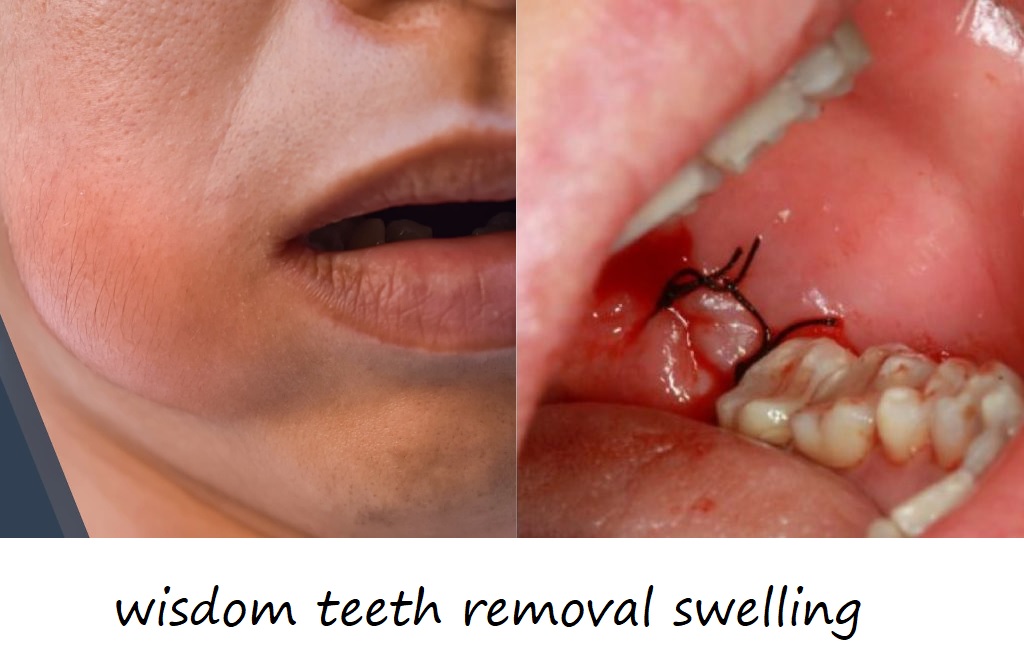
Wisdom tooth extraction is a rite of passage for many, often leading to unexpected adventures in recovery. One of the most prominent aspects post-surgery is swelling, a natural bodily response that can cause concern for many. This article delves deeply into the phenomenon of swelling after wisdom teeth removal, challenging the conventional narrative and providing a fresh perspective on an experience that might initially seem daunting.
The Science of Swelling
Swelling, or edema, is a physiological response that occurs when tissues accumulate excess fluid. After wisdom teeth are extracted, the body initiates a healing process, which includes increased blood flow to the affected area. This influx of fluid helps deliver vital nutrients and immune cells, promoting accelerated healing. However, this beneficial response can lead to visibly puffed cheeks and an arguably unflattering appearance.
Understanding the Timeline
Understanding the stages of swelling can demystify the recovery process. Immediately following the extraction, one might experience minimal swelling, with the most pronounced effects often peaking around the 48 to 72-hour mark. As the healing progresses, the inflammation typically subsides, revealing a more typical facial contour within a week or two. This progression provides both reassurance and insights into the body’s remarkable resilience.
Factors Influencing Swelling
Various factors can exacerbate or alleviate swelling after surgery. Firstly, the complexity of the extraction itself plays a significant role; impacted teeth or those that require surgical intervention tend to provoke more swelling. Secondly, individual variances in anatomy and healing responses can lead to differing experiences. Age, overall health, and even genetic predispositions can dictate the efficiency of recovery and swelling intensity. If anxiety levels are high, this can also aggravate inflammation, highlighting the importance of mental well-being during recovery.
DIY Relief Measures
While swelling is a natural occurrence, there are numerous strategies to alleviate discomfort and reduce inflammation. Applying ice packs intermittently during the initial 24 hours can constrict blood vessels and lessen swelling. It is recommended to apply the ice in cycles, such as 20 minutes on and 20 minutes off, ensuring the skin is protected with a cloth. The cold not only diminishes swelling but can also numb the area, offering temporary relief from pain.
After the first 24 hours, warmth can promote blood circulation, aiding in the healing process. Warm salt water rinses can serve both to soothe irritation and to minimize bacteria, which helps expedite healing. Additionally, maintaining an upright posture can facilitate fluid drainage from the face, further contributing to reduced swelling.
The Dietary Approach
What we consume post-surgery plays an integral part in shaping our recovery experience. Soft foods are often recommended, but incorporating anti-inflammatory options can make a significant difference. Foods rich in omega-3 fatty acids, such as salmon and flaxseeds, can combat inflammation. Similarly, antioxidants found in berries, leafy greens, and nuts are beneficial for recovery. Staying hydrated is paramount, as it helps flush out excess sodium, which can exacerbate swelling, while also nourishing tissues in the healing process.
When to Seek Help
While swelling is typically a normal component of the recovery process, there are instances where it becomes concerning. If swelling persists beyond a week or appears to worsen rather than improve, it may indicate complications, such as an infection or dry socket. Signs of these conditions include pronounced pain, fever, or an unpleasant taste in the mouth. Recognizing these symptoms promptly can lead to timely interventions and enhanced health outcomes.
Debunking Common Myths
Misinformation about swelling after wisdom teeth removal abounds, contributing to undue fear and anxiety. One prevalent myth is that all swelling is bad; in truth, it’s part of the healing process. Another significant misconception is the belief that all patients will experience the same degree of swelling. Each individual’s body responds uniquely to trauma, and recovery can vary greatly. Understanding these myths can foster a healthier mindset, enabling patients to approach their recovery phase with informed awareness.
Shifting Perspectives
Swelling after wisdom tooth extraction can serve as a fascinating reminder of the body’s innate ability to heal. Rather than viewing this experience solely through the lens of discomfort and inconvenience, one can appreciate the intricate biological processes at work. Recognizing swelling as a sign of healing, rather than merely an obstacle, can transform an uncomfortable period into a profound reflection on resilience.
Conclusion
In navigating the path of recovery after wisdom teeth removal, understanding the nature of swelling can illuminate the experience. By employing practical solutions and fostering a mindful approach, patients can embrace this temporary inconvenience with grace. The swelling not only signifies the body’s response to injury but also its remarkable orchestration of healing. As the days progress and discomfort dissipates, so too does the swelling, paving the way for a brighter, pain-free tomorrow.






Leave a Comment