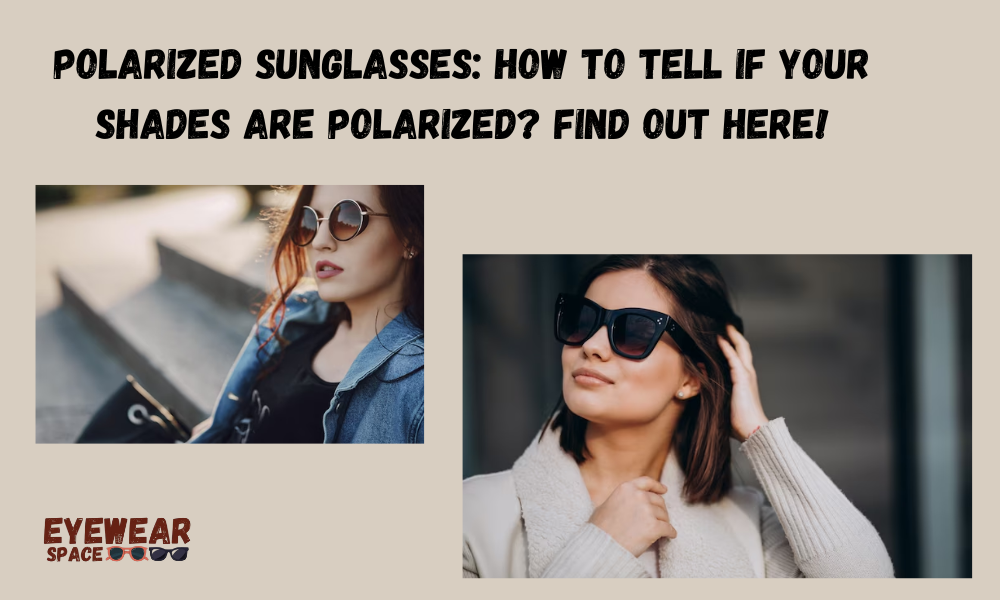
On a sun-soaked day, are you truly ready to embrace the outdoors? One essential accessory should be at the top of your list: your sunglasses. But what if your chic shades aren’t providing the protection you need? Have you ever wondered how to know if sunglasses are polarized? The very notion of ensuring clarity and combating glare poses a playful challenge. Let’s dive deep and explore this often-overlooked aspect of eyewear that can dramatically enhance your outdoor experience!
Understanding Polarization
Before plunging into the methods of verification, let’s elucidate one critical concept: polarization. Polarized lenses are specially designed to diminish glare from surfaces like water, roads, and snow. This is achieved through a unique filter that permits only vertical light rays to enter the eye while blocking horizontal rays that generate discomfort and visual distortion. The difference can be staggering, making your surroundings appear more vivid and allowing you to navigate sun-drenched environments with unparalleled comfort.
1. The Water Test: A Sensible Approach
A practical yet effective method to determine if your sunglasses are polarized is through a simple water test. To carry out this experiment, find a reflective surface such as a pond or even a shallow basin filled with water. First, put on your sunglasses and gaze at the water. Observe how the light reflects off the surface. Then, rotate your head 90 degrees while keeping your gaze fixed on the water. If the glare diminishes significantly or disappears entirely, congratulations! Your shades are likely polarized. This method highlights the fundamental characteristic of polarized lenses—their ability to reduce glare.
2. The LCD Screen Test: A Modern Twist
In our digital age, using technology to explore the authenticity of your eyewear is both efficient and engaging. Take your sunglasses and hold them up to an LCD screen, such as your smartphone or a computer monitor. Gradually tilt the glasses at various angles while observing the screen. If the display darkens or you see a rainbow effect as you maneuver the lenses, then you can be confident that they are polarized! This test leverages the principle that polarized lenses restrict certain light waves, creating perceptible changes when viewed against an electronic screen.
3. Sunlight Test: A Direct Approach
Sometimes, the simplest solutions are the most effective. The sunlight test is straightforward: step outdoors on a bright, sunny day. While wearing your sunglasses, look toward a bright light source, such as the sun or a highly reflective surface. If your vision appears clearer and colors are more vibrant, you are likely using polarized lenses. A little trick: flip up one lens and compare the view through the unfiltered lens. If there’s a noticeable contrast, your sunglasses have polarized protection!
4. Checking for a Label: The Diligent Method
Before embarking on your quest for clarity, a more deliberate approach involves scrutinizing the product details. Many brands will provide information, whether through labels, tags, or packaging. Look for signs that indicate ‘polarized lenses.’ While this may not be a foolproof indication—some manufacturers may not label their products accurately—it is generally a reliable first step. Placing your trust in reputed brands that commonly produce polarized eyewear can enhance your chances of finding quality sunglasses.
5. Conducting a Glare Experiment: The Reflective Insight
Imagine standing on a sunny beach, the light dancing off the ocean’s surface. A glare experiment can serve as an invaluable assessment of polarization. Grab a pair of polarized sunglasses and observe the shimmering water. Next, wear a non-polarized pair. If you notice that the glare is far less distracting with the polarized lenses, you have your answer. This comparison reinforces the profound difference polarized lenses make when combating reflective surfaces. When you put your glasses to the test in real-world scenarios, you fortify your understanding of their capabilities.
The Importance of Polarization
Now that we’ve traversed various practical methods to discern polarization, let’s emphasize the tangible benefits of utilizing polarized sunglasses. Not only do they protect your eyes from harmful UV rays, but they enhance contrast and clarity, especially in bright conditions. From driving to fishing, skiing to leisurely beach strolls, the advantages of polarized lenses extend far beyond aesthetic appeal.
Moreover, as you navigate the vibrant tapestry of modern life, the absence of discomforting glare can vastly transform your experiences. Whether you’re catching the serene colors of a sunset or enjoying a thrilling day on the slopes, embracing polarization can elevate your visual enjoyment.
Conclusion: Embrace the Challenge!
So, as you venture outside with your sunglasses perched on your nose, remember the myriad ways to ascertain whether they’re equipped with the benefits of polarization. Whether you opt for the water test, the tech-savvy LCD approach, or simply check for labeling, each method is a playful challenge that arms you with knowledge. The next time you slip on your shades, you’ll know precisely what you’re getting—clarity, comfort, and an added layer of protection from the sun’s harsh rays. So go ahead, confidently bask in the sun, knowing you have the right gear to combat the glare!







Leave a Comment