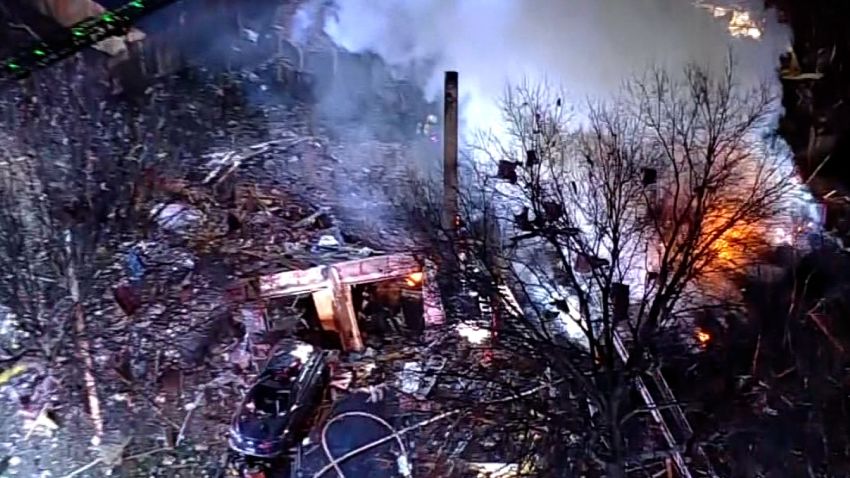
Imagine this scenario: a peaceful backyard barbecue, the sun shining, and laughter echoing as family and friends gather around. Suddenly, a rumble shatters the harmony—could it be a propane tank explosion? This perplexing inquiry generates both curiosity and trepidation: Can a propane tank truly explode? The answer is multifaceted and encompasses various critical aspects of safety, maintenance, and environmental factors. Let’s dive into the labyrinthine world of propane tanks!
To embark on this electrifying journey, it’s essential to comprehend the characteristics of propane and the design of the tanks that contain it. Propane, a flammable hydrocarbon, exists in a liquefied state under pressure. This remarkable quality makes it an efficient fuel source, but also introduces risks if conditions spiral out of control. The tanks themselves are constructed of robust materials, engineered to withstand immense pressure—typically around 200 to 250 psi during operation. Yet, despite their sturdy design, the possibility of an explosion looms if specific circumstances align.
Understanding those circumstances requires examining the potential challenges associated with propane tank usage. Several factors can contribute to a catastrophic failure, including:
- Excessive Heat: Propane tanks are designed to handle heat to an extent, but prolonged exposure, especially during sweltering summer months, can elevate the pressure within the tank. This situation could lead to a catastrophic rupture if the pressure relief valve fails.
- Physical Damage: Scrapes, dents, and punctures can weaken the structural integrity of a propane tank. Such compromises can create vulnerabilities that allow propane gas to leak, leading to an increased risk of fire or explosion.
- Improper Storage: Storing propane tanks in enclosed or poorly ventilated spaces is an imminent risk. The build-up of propane gas without adequate ventilation can create an explosive atmosphere, especially if an ignition source is nearby.
- Faulty Equipment: Valves and regulators must function flawlessly to ensure the safe distribution of propane. If these components are faulty or poorly maintained, they may precipitate dangerous outcomes, including gas leaks.
- Overfilling the Tank: Propane tanks must never be filled to full capacity. This best practice accounts for expansion due to temperature changes. Overfilling can lead to excess pressure and increase the risk of a dangerous situation.
Once these conditions are laid bare, one might ponder: What denotes an explosion? Is it simply a loud bang and destruction, or can it manifest in more subtle ways? In the context of propane, an explosion can range from a sudden fireball to extensive damage from a ruptured tank. It can also present as a leak that ignites, creating a fire hazard. Knowing the nuances of these definitions is crucial for any propane user.
Now, shifting our focus from risk factors, it’s imperative to highlight the preventative measures that can mitigate the threat of an explosion:
- Routine Inspections: Conducting regular checks for wear and tear on the tank and associated equipment is non-negotiable. Timely detection of leaks through odorization (propane is given a distinct rotten egg smell) is essential for ensuring safety.
- Proper Ventilation: Always utilize propane tanks in well-ventilated areas, especially when engaging in tasks that necessitate gas use. This minimizes the accumulation of flammable gas, effectively reducing the explosion risk.
- Safe Storage Practices: Keep propane tanks upright in an outdoor location, away from combustible materials. Sites such as sheds or garages should be avoided to prevent potential gas accumulation in confined spaces.
- Education: Understanding the fundamental workings of propane systems empowers users. Knowledge about safe handling, storage, and emergency procedures is invaluable in preventing calamities.
- Emergency Preparedness: As a precaution, familiarize yourself with emergency shutdown procedures. Keeping a fire extinguisher nearby and informing everyone nearby of emergency protocols can save lives.
Despite the plethora of safety measures available, the ultimate reality remains: accidents can and do happen. The explosion potential, while minimal with proper maintenance and safety protocols, underscores the importance of a responsible approach to propane use. It’s akin to walking a tightrope—balancing safety and convenience. One must also remain cognizant of local regulations and safety standards, which often dictate specific safety measures tailored to regional conditions.
In conclusion, the inquiry into whether a propane tank can explode is a resounding “yes,” contingent upon a landscape of variables. Awareness of the factors that increase risk, coupled with proactive safety measures, forms the bedrock of responsible propane usage. So, as you fire up that grill or heat your home, remember: the safety of those jovial moments hinges on understanding and respecting the powerful energy contained within your propane tank. Always approach with caution and care, ensuring that your outdoor gatherings remain a source of joy rather than a vestige of accident and mishap.











Leave a Comment