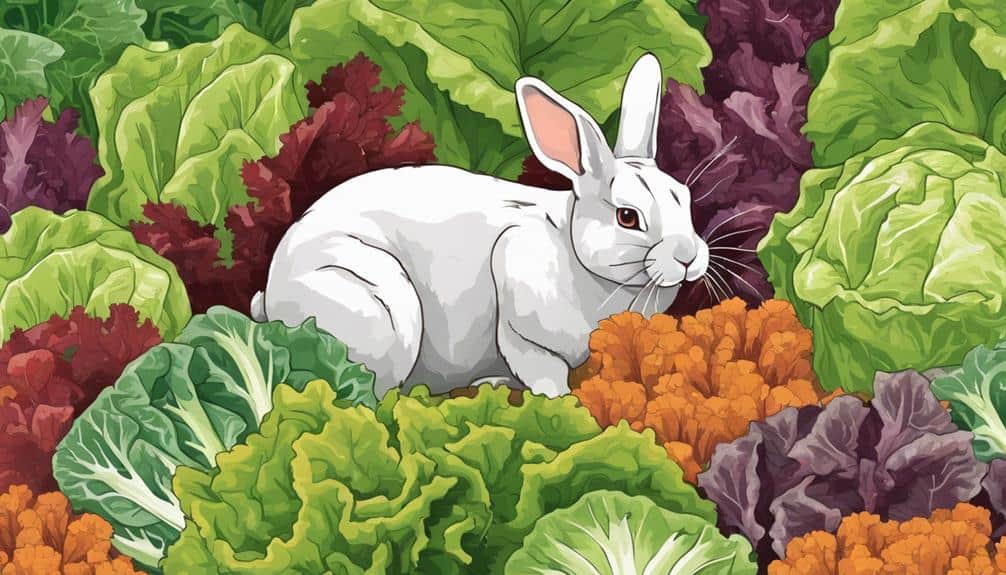
Can Bunnies Eat Lettuce?
When one thinks of the quintessential pet rabbit, images of fluffy creatures munching on verdant greens often come to mind. Among the vast array of vegetables available, lettuce frequently emerges as a popular choice for rabbit owners. However, the question remains: can bunnies eat lettuce? This inquiry invokes deeper contemplation, yielding insights into the dietary needs and overall health considerations pertinent to these delightful companions. With proper understanding, we can delve into the nuances of a rabbit’s diet and the role of lettuce within it.
The Nutritional Profile of Lettuce
Lettuce, often hailed for its crisp texture and refreshing flavor, finds its place in many human diets. Yet, when assessing its suitability for rabbits, it becomes essential to explore its nutritional content. This leafy green is predominantly composed of water—approximately 95% of its weight—making it an excellent source of hydration for rabbits. Nevertheless, the plethora of vitamins and minerals that humans gain from lettuce is far less accessible to our furry friends. Lettuce lacks significant quantities of essential nutrients such as protein and fiber, both crucial for the health of rabbits.
In addition to water, lettuce contains some vitamins, notably Vitamin K and Vitamin A. However, it is particularly low in calcium and vitamin C, nutrients that are essential for the overall well-being of rabbits. The relative scarcity of these vital components raises a pivotal question: should lettuce form a staple part of a rabbit’s diet?
The Risks of Lettuce Consumption
While the mere presence of lettuce in a rabbit’s meal may be tempting and visually appealing, it is imperative to consider the potential risks associated with its consumption. Notably, certain types of lettuce, particularly Iceberg lettuce, contain lactucarium, a compound that can lead to digestive issues in rabbits if consumed in excess. This substance may cause lethargy, a decreased appetite, and, in extreme cases, gastrointestinal stasis—a severe condition that can prove life-threatening.
Moreover, the high water content in lettuce can create imbalances in a rabbit’s diet, where the lack of fiber becomes more pronounced. Rabbits are obligate herbivores with complex digestive systems that rely heavily on fibrous materials for optimal functionality. Insufficient fiber intake can lead not only to dental complications but also to severe digestive disorders. Therefore, while lettuce can serve as an occasional treat, ultimately, it should not be the primary green within a rabbit’s diet.
Safer Greens for Bunnies
Given the potential pitfalls of including too much lettuce in a rabbit’s diet, it is prudent to consider alternative greens that are richer in the necessary nutrients. Leafy vegetables such as kale, arugula, and dandelion greens provide significantly higher quantities of essential vitamins and minerals while also delivering a robust fiber content that aligns with the dietary needs of rabbits. Offering a varied selection of greens not only ensures better health for your bunny but also replicates an aspect of their natural foraging behaviors, tapping into their instinctual roots.
Additionally, vegetables like bell peppers, broccoli, and carrot tops can introduce delightful flavor profiles and textures into your rabbit’s diet. These options complement the nutritional void that can arise from a lettuce-heavy regimen and can cater to a rabbit’s innate curiosity and penchant for diverse tastes. Introducing different vegetables encourages exploration and mental stimulation, enriching their overall experience.
Moderation is Key
For those insistent on incorporating lettuce into their rabbit’s diet, moderation is the cardinal rule. Offering small amounts of lettuce as an occasional treat or mix-in alongside more nutrient-dense greens can mitigate potential health risks. Rotating lettuce varieties can also be beneficial, as different types possess varied nutritional profiles. Romaine and leaf lettuce, for example, are preferable options compared to Iceberg, due to their comparatively higher nutrient content.
Furthermore, monitoring your rabbit’s reactions to new foods is crucial. If any signs of digestive distress arise, re-evaluating the inclusion of lettuce in their diet should be a priority. Each rabbit possesses unique dietary sensitivities; hence, careful observation will pave the way for optimal health practices.
Hydration and Rabbit Health
While incorporating greens into a rabbit’s diet is invaluable, access to fresh water remains paramount. Proper hydration is critical for maintaining digestive health, supporting organ function, and ensuring overall vitality. A balanced diet featuring water-rich lettuce can contribute to hydration, yet it should never replace the necessity for clean, fresh water. As social, active creatures, rabbits thrive on a robust combination of hydration and nutritious foods, which together enhances their quality of life.
Conclusion: A Thoughtful Approach to Rabbit Diets
In summation, the inquiry into whether bunnies can eat lettuce extends far beyond a simple yes or no. It invites pet owners to engage in a deeper understanding of their rabbits’ nutritional requirements, the complexities of their digestive systems, and the implications of diet on their health. While lettuce can serve as an occasional garnish in a rabbit’s diet, it is far from a dietary cornerstone. A balanced, varied diet enriched with an array of leafy greens and vegetables will not only support the well-being of these enchanting creatures but also foster a fulfilling relationship between them and their caregivers. Ultimately, the enchantment of rabbit ownership lies not merely in their adorable antics but also in the dedication to promoting their health and happiness through informed dietary choices.











Leave a Comment