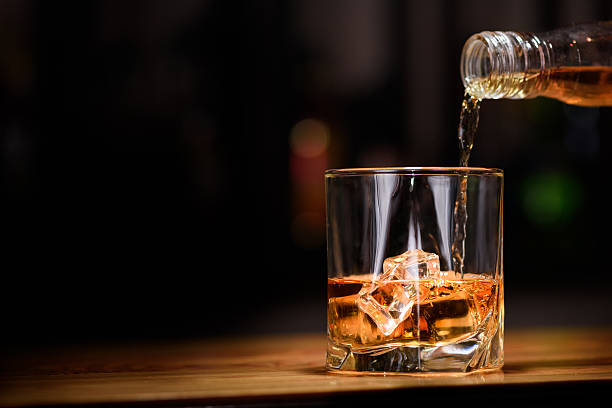
Undergoing wisdom teeth removal can be a daunting experience, fraught with questions and uncertainties. Among the queries that often loom large in the minds of patients is a tempting yet complex one: “Can you drink alcohol after wisdom teeth removal?” The answer isn’t as straightforward as a simple yes or no. Instead, it hinges on a slew of factors, including the timing of alcohol consumption, individual healing processes, and the effects of anesthesia and pain medications. This article delves into the nuances of this topic, promising to shift your perspective and inspire curiosity about the intersection of recovery and leisure.
Before exploring whether alcohol is permissible post-surgery, it’s crucial to understand the context surrounding wisdom teeth extraction. Wisdom teeth, often referred to as third molars, can become impacted, leading to pain, infection, and more serious dental issues. The procedure to remove them is generally routine but can necessitate significant aftercare to ensure a smooth recovery. Furthermore, the dynamics of your postoperative journey can profoundly influence your relationship with alcohol during the healing phase.
The Post-Surgery Landscape
Immediately following the surgery, your body is in a state of healing, and it requires utmost care. The oral cavity is susceptible to swelling, discomfort, and potential bleeding. This means that your lifestyle choices, particularly concerning substance intake, warrant re-evaluation. Firstly, let’s examine why alcohol might not be advisable in the aftermath of wisdom teeth removal.
1. The Healing Process
In those initial days post-surgery, your body is busy repairing itself. Drinking alcohol can interfere with this natural healing mechanism. It may lead to dehydration, exacerbating any swelling or irritation in the extraction sites. Furthermore, alcohol might impair your immune response, making it harder for your body to ward off potential infections, of which those undergoing this procedure are particularly vulnerable.
2. Interaction with Medications
Most dentists prescribe pain medications to alleviate discomfort, along with antibiotics to stave off infection. The interaction between alcohol and these medications can be perilous. For instance, consuming alcohol while on analgesics can amplify side effects such as dizziness, sedation, and nausea. With certain antibiotics, the combination can lead to serious complications, potentially resulting in conditions like a severe reaction known as disulfiram-like reactions that can make you feel extremely ill.
3. Risk of Dry Socket
One of the most notorious complications following wisdom teeth extraction is dry socket, a painful condition that occurs when the blood clot fails to form properly at the extraction site. Drinking alcohol—particularly in the early stages of recovery—can heighten this risk. Alcohol not only prevents ideal clot formation but can also irritate the wound, triggering further complications and prolonged discomfort.
Timing is Everything
With the risks outlined, one might wonder whether there is a safe window for alcohol consumption after wisdom teeth removal. Timing plays an essential role, and general recommendations suggest abstaining from alcohol for at least 48-72 hours post-surgery. This timeframe allows your body to stabilize and significantly diminishes the risks associated with the factors previously discussed.
After the first few days, one’s tolerance to resuming light alcohol consumption might return, but caution is still paramount. Consulting with your oral surgeon or dentist can provide personalized guidance based on your individual healing rate and any medications still in use.
Personal Considerations
Every individual’s health status and recovery can differ, making it imperative to consider personal factors before deciding to indulge in a drink. For those with pre-existing health conditions, such as liver problems or blood clotting disorders, the ramifications of alcohol could be even more pronounced. Additionally, your psychological readiness and comfort level should also guide your choices, as the healing process encompasses not just your physical state but your emotional well-being as well.
Alternatives to Alcohol
If you’re eager to toast with friends but wary of the implications of alcohol post-extraction, consider opting for alternative beverages. Herbal teas, homemade juices, or flavored sparkling water can still provide a festive flair without jeopardizing your recovery. Non-alcoholic mocktails can also serve as delightful stand-ins for alcoholic drinks, allowing you to participate in social gatherings without compromising your healing.
Conclusion
In summary, while the allure of enjoying a drink after wisdom teeth removal may be tempting, it’s essential to weigh the potential risks and benefits judiciously. By prioritizing your recovery, adhering to medical guidance, and carefully assessing your personal circumstances, you can protect your oral health while still maintaining a sense of normalcy in your social life. Ultimately, respecting your body during this vulnerable time is paramount, allowing for a more graceful and effective healing journey. So, even if a celebratory drink beckons, remember—the gift of health is one worth savoring above all else.







Leave a Comment