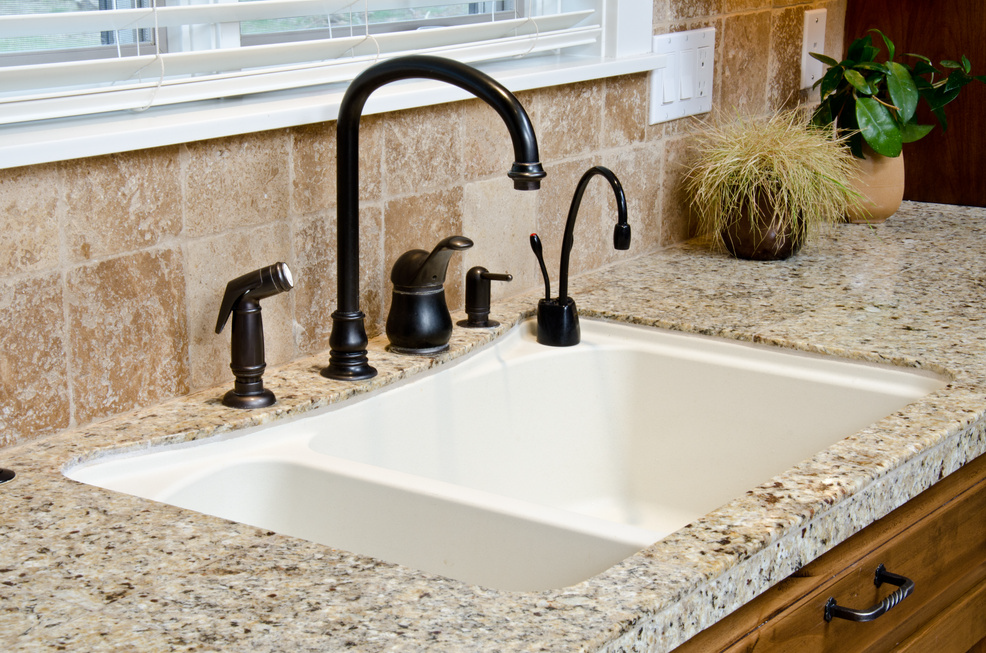
When it comes to home design, the selection of countertops can be both exhilarating and daunting. Among the myriad options available, granite and quartz stand out as two of the most popular choices for modern kitchens and bathrooms. Each material boasts distinct characteristics, advantages, and aesthetic qualities that can significantly influence the overall ambiance of a space. Yet, choosing between granite and quartz often prompts a myriad of questions. Should you invest in the timeless elegance of granite, with its natural allure, or opt for the engineered versatility of quartz? This article delves into the intricacies of each material, promising a shift in perspective and an enriching exploration that will refine your decision-making process.
1. Understanding the Basics
Granite is a natural stone, formed from molten lava that has cooled and solidified over millions of years. Each slab is unique, with its own array of colors and patterns. This uniqueness is one of granite’s most enticing attributes, appealing to those who seek authenticity and character in their home décor.
In contrast, quartz countertops are engineered products, composed of about 90-95% crushed natural quartz crystals mixed with resins and pigments. This manufacturing process allows for a broader spectrum of colors and patterns that can mimic the appearance of natural stones, providing an option for homeowners who prefer a more uniform look, while ensuring durability and strength.
2. Aesthetic Appeal: Nature vs. Engineering
The aesthetic qualities of granite and quartz diverge significantly, with granite exuding an organic charm and quartz offering modern sophistication. Granite’s rich, textured surface is imbued with the variability of nature, providing a tactile experience that enchants the senses. The nuances in color and veining create a one-of-a-kind masterpiece, making every countertop unique.
On the other hand, quartz can boast a sleek and polished finish that may appeal to contemporary aesthetics. Its ability to be customized through a vast range of hues—from bright whites to deep blacks—grants homeowners the creative freedom to align their countertops with their vision. Furthermore, quartz is less prone to chipping, ensuring maintenance of a pristine appearance over time.
3. Durability and Maintenance
Durability is a paramount consideration in the selection between granite and quartz. Granite is remarkably resistant to heat and scratches, thanks to its dense composition. However, its porous nature means it can absorb stains if not properly sealed, requiring regular resealing to maintain its integrity. This maintenance factor often poses a dilemma for busy households.
Quartz, conversely, is non-porous, rendering it highly resistant to staining and bacterial growth—qualities that make it ideal for kitchens and bathrooms where hygiene is paramount. The lack of periodic sealing simplifies maintenance, allowing homeowners to enjoy a flawless surface without the commitment of time and effort.
4. Cost Considerations
When embarking on a countertop journey, budget constraints inevitably enter the equation. Typically, granite is more affordable upfront, with costs varying based on the rarity of the stone. However, the upkeep, including sealing and potential repairs, can gradually add to the overall expense of maintaining granite countertops.
Quartz, while initially more expensive, often proves cost-effective in the long run due to its low-maintenance nature. Homeowners can weigh the upfront costs against future obligations, allowing for a more holistic understanding of value over time.
5. Environmental Impact
In an increasingly eco-conscious world, the environmental impact of materials is of paramount importance for many homeowners. Granite, being a natural product, carries an air of sustainability. However, the mining process can be tumultuous, often leading to ecological disruptions in quarries. The carbon footprint associated with transporting heavy stone slabs also deserves consideration.
Quartz, forged from natural elements and synthesized in factories, can have a lesser environmental impact in certain instances, especially if sourced locally. Modern brands frequently prioritize sustainability, employing environmentally safe production processes and eco-friendly resins. Evaluating the corporate responsibility of manufacturers can provide clarity on the ecological footprint of your countertop choice.
6. Installation Factors
The installation process differs vastly between granite and quartz. Granite, due to its weight, necessitates sturdy cabinetry and professional installation—a factor that may complicate DIY home improvement projects. Installation can be notably expensive, adding to the overall cost burden.
On the contrary, quartz is lighter and more adaptable during installation. While professional installation is still recommended, the flexibility might invite budget-conscious individuals to consider alternative installation strategies.
7. The Final Verdict: Making the Right Choice
Ultimately, the choice between granite and quartz countertops depends heavily on personal preference, lifestyle, and design vision. For enthusiasts of natural beauty who appreciate the artistry of stone, granite offers unmatched character. However, those in search of customization, ease of maintenance, and durability may find quartz to be the appealing alternative.
As you embark on this essential aspect of your home renovation or construction project, consider not only the costs and visual impact but also how each material aligns with your lifestyle and long-term expectations. Each offers its unique charm and strengths, inviting you to explore the potential of both as you elevate your living spaces.
In the end, whether you lean towards the timeless elegance of granite or the modern allure of quartz, remember that your countertops are more than mere surfaces; they serve as the foundation of your culinary adventures and the backdrop to cherished memories. Choose wisely, as this decision will resonate through your space for years to come.










Leave a Comment