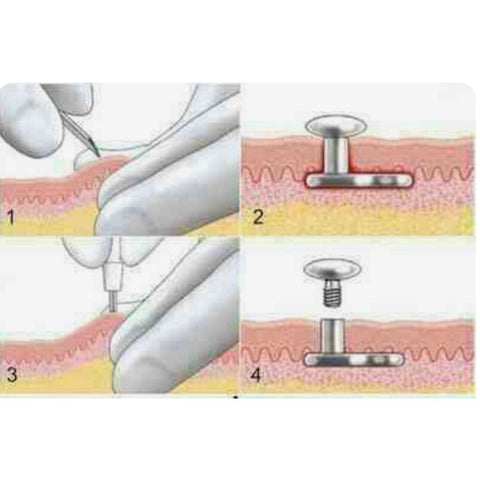
Dermal piercings have garnered increasing popularity in the realm of body modification, transcending traditional forms of body art. Distinctively different from standard piercings, which utilize standard jewelry passed through a hole in the body, dermal piercings are uniquely anchored beneath the skin’s surface. This article will elucidate how dermal piercings work, exploring various techniques, types, and maintenance necessary for ensuring their aesthetic longevity and health.
Understanding Dermal Piercings
At its essence, a dermal piercing is a type of body modification featuring a post that is inserted into the dermis, the inner layer of skin, rather than through and out the other side, as with traditional piercings. This configuration allows for a singular decorative piece to rest upon the skin’s surface, creating a visually captivating appearance. In contrast to surface piercings, which encompass both entry and exit points, dermal piercings are characterized by a single entry point, thereby minimizing the risk of migration or rejection.
The Anatomy of a Dermal Piercing
The initial component of a dermal piercing involves a specialized anchor, typically made from biocompatible materials such as titanium. The anchor is composed of a flat base with tiny perforations that facilitate tissue integration, creating a secure hold. Coupled with a surface component, often adorned with jewels or designs, the entire assemblage is aesthetically striking. This specific anatomy plays a pivotal role in how well the piercing heals and how it manages to coexist harmoniously with the body.
Techniques for Placement
There are several methodologies for performing a dermal piercing, each yielding different results based on the practitioner’s skill and the individual’s anatomy. The most common techniques include:
- Needle Technique: A piercing needle, specifically designed for dermal placement, is utilized to create an incision in the dermis, where the anchor is subsequently inserted. This method promotes a clean entry, resulting in a lower probability of complications.
- Punch Technique: This technique employs a circular blade to excise a small portion of skin, creating a more expansive entry point for the anchor. Although it may result in a more pronounced incision, it allows for greater ease of anchor insertion.
- Surface Anchor: Some practitioners opt for surface anchors, which utilize existing skin folds or natural contours of the body to position the anchor discreetly. This method can yield less visible scarring and a more seamless appearance.
Regardless of the technique employed, the expertise of the piercer is paramount for ensuring a safe and aesthetically pleasing outcome.
Types of Dermal Piercings
Dermal piercings are flexible in terms of location and design, making them a favorite among body modification enthusiasts. Popular placements include:
- Facial Dermals: Commonly located on areas like the cheeks, collarbones, or temples, facial dermals often feature embellished tops and can enhance facial symmetry.
- Chest Dermals: Positioned along the décolletage or sternum, chest dermals add a provocative flair, merging elegance and daring.
- Hand and Wrist Dermals: These placements have gained traction for their uniqueness, often accentuated by intricate jewelry that draws attention to the hands.
Each location offers distinct aesthetic possibilities and requires thorough consideration based on one’s individual style preferences.
Healing and Aftercare
Successful healing is contingent upon rigorous adherence to aftercare practices. The healing duration for dermal piercings can vary from several weeks to a few months, depending on individual factors such as skin type and general health. Key aftercare practices include:
- Avoiding Unnecessary Touch: Minimizing contact with the piercing site reduces the risk of infection and irritation. Always wash hands thoroughly before engaging with the piercing.
- Regular Cleaning: Utilizing a saline solution or an antibacterial soap formulated for pierced areas ensures cleanliness without disturbing the healing process.
- Monitoring for Complications: Vigilantly observing for signs of infection, such as redness, swelling, or discharge, can aid in the prompt identification and treatment of potential issues.
Aftercare is not merely a matter of hygiene; it is an essential aspect of enjoying the beauty of the dermal piercing over the long term.
Potential Risks and Considerations
As with any body modification, dermal piercings come with inherent risks. Complications may include infection, migration, or rejection by the body. It is vital for prospective clients to conduct comprehensive research and consult experienced professionals to mitigate these risks effectively. Furthermore, understanding one’s body type and healing process is essential for anticipating potential challenges.
Additionally, it is crucial to stay informed about the location and placement of dermal piercings. Some areas are more prone to increased movement, thereby affecting healing and stability, while others may inherently support a more secure anchoring.
Conclusion
Dermal piercings represent a unique intersection of art and anatomy, offering wearers the ability to express individuality and style in a way intrinsic to their bodies. By grasping the principles of how they work, the different techniques for placement, and the importance of diligent aftercare, enthusiasts can fully appreciate this captivating form of body modification. As trends continue to evolve, the world of dermal piercings beckons you to explore, celebrate, and adorn your persona with creativity and confidence.









Leave a Comment