Gum disease, medically termed periodontal disease, is a prevalent oral health ailment that affects a significant portion of the adult population. As an often overlooked condition, it manifests as inflammation, redness, and bleeding of the gums, which can lead to more serious health complications if left untreated. This article delves into the breadth of effective home treatments for gum disease, offering a comprehensive guide to ameliorating symptoms and fostering oral health.
1. Understanding Gum Disease
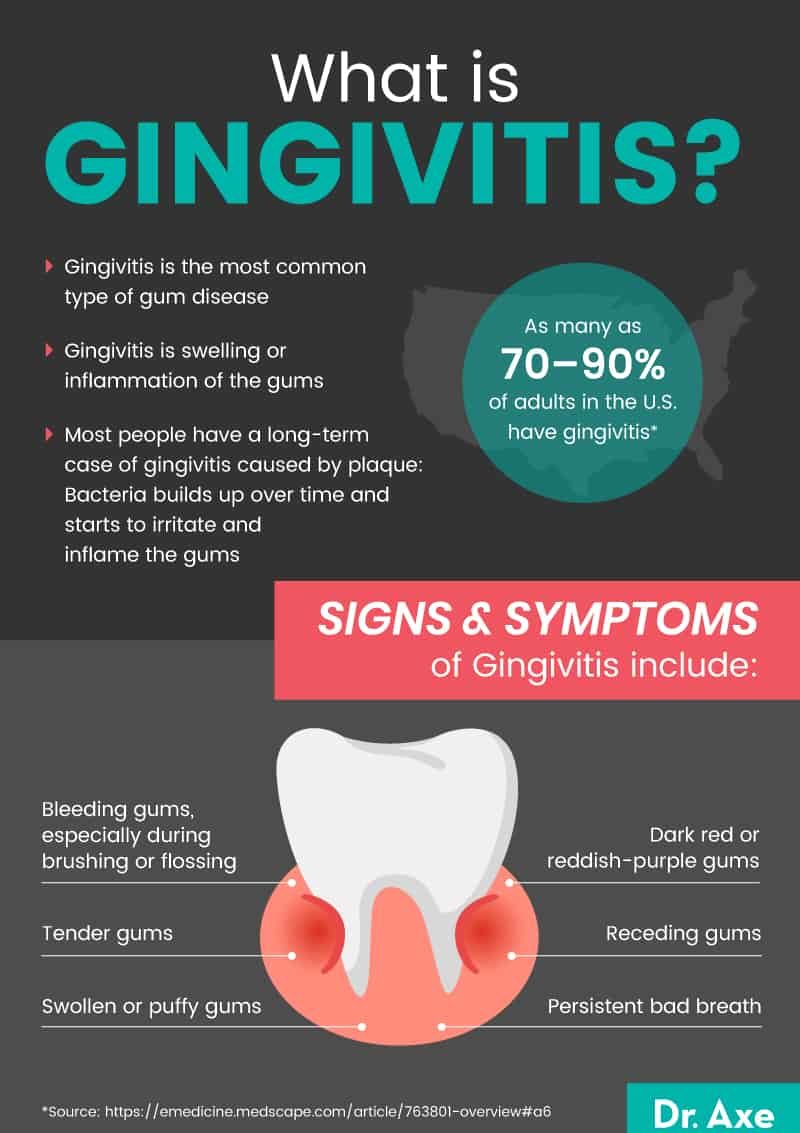
To effectively combat gum disease, familiarity with its various stages is crucial. The initial stage, gingivitis, is characterized by inflammation due to plaque accumulation. If neglected, it can progress to periodontitis, which may result in tooth loss and can even exacerbate systemic health issues. Recognizing early symptoms—such as persistent bad breath, gum sensitivity, and receding gums—can prompt timely intervention.
2. Optimal Oral Hygiene Practices
Establishing a rigorous dental hygiene regimen is the cornerstone of gum disease treatment. Here are vital practices:
- Brushing Twice a Day: Utilize a soft-bristled toothbrush to vigorously brush all surfaces of your teeth. Employ fluoride toothpaste to combat decay, and ensure to angle the brush at 45 degrees towards the gum line for effective plaque removal.
- Flossing Daily: Flossing is imperative for dislodging food particles and plaque from interdental spaces where a toothbrush cannot reach. Employ a gentle sawing motion to avoid damaging gum tissue.
- Use of Antimicrobial Mouthwash: Incorporate an alcohol-free antibacterial mouthwash into your routine. These rinses can significantly diminish oral bacteria, thus reducing plaque buildup.
3. Natural Remedies for Gum Health
Beyond conventional methods, various natural remedies can serve to support gum health. These remedies are not only easy to implement but are also rooted in their healing properties:
- Saltwater Rinse: Combine a teaspoon of salt with warm water to create a soothing rinse. This solution can alleviate inflammation, promote healing, and assist in reducing bacteria.
- Turmeric Paste: Renowned for its anti-inflammatory properties, turmeric can be applied as a paste to the gums. Mix turmeric powder with a few drops of water and apply it to problematic areas for 10 minutes before rinsing.
- Aloe Vera Gel: Known for its therapeutic abilities, aloe vera possesses anti-inflammatory and antibacterial properties. Apply the gel directly to the gums to soothe irritation and foster healing.
4. Dietary Considerations
The role of nutrition cannot be overstated in the maintenance of healthy gums. A well-rounded diet brimming with essential vitamins and minerals lays the foundation for oral health:
- Vitamin C Rich Foods: Citrus fruits, strawberries, and bell peppers can bolster collagen synthesis and promote gum healing. Ensuring an adequate intake of Vitamin C can fortify the oral mucosa.
- Omega-3 Fatty Acids: Integrate sources of omega-3, such as fish and flaxseeds, into your diet. These healthy fats have been shown to have anti-inflammatory effects that can mitigate periodontal disease symptoms.
- Avoiding Sugary and Processed Foods: Limiting sugar intake can prevent plaque formation, while processed foods often lead to systemic inflammation, exacerbating gum health issues. Choosing whole, unprocessed foods can facilitate better oral health outcomes.
5. Staying Hydrated
Water is an essential component of oral health. Staying adequately hydrated helps maintain saliva production, which plays a pivotal role in neutralizing acids and washing away food particles and bacteria. Aim for at least eight glasses of water daily to promote optimal hydration.
6. Regular Dental Checkups
Although the focus here is on home treatment, it is imperative to underline the importance of professional dental evaluations. Regular checkups allow for early detection of gum disease and provide opportunities for professional cleanings, which are critical in managing the condition effectively.
7. Stress Management
Interestingly, stress has been identified as a contributing factor to poor gum health. High-stress levels can compromise the immune system, making the mouth more susceptible to infections. Employing stress-reduction techniques, such as meditation, yoga, or deep-breathing exercises, can positively impact not just mental well-being but also oral health.
8. Cessation of Tobacco Use
If you smoke or use tobacco products, quitting is paramount for gum health. Tobacco use can impede blood flow to the gums, impairing the healing process and worsening periodontal conditions. Seek resources or support groups that can assist in cessation efforts.
Conclusion
Treating gum disease at home is not merely a matter of personal upkeep; it embodies a commitment to overall health. Through diligent oral hygiene practices, the integration of wholesome natural remedies, dietary vigilance, and the cultivation of healthy lifestyle habits, one can effectively combat the onset of gum disease. Engaging in these proactive measures not only preserves the integrity of your teeth and gums but also reflects a deeper understanding of the intrinsic connection between oral health and overall well-being. In a world where dental issues can often be dismissed, taking charge of your oral hygiene might just be the key to unlocking a healthier future.









Leave a Comment