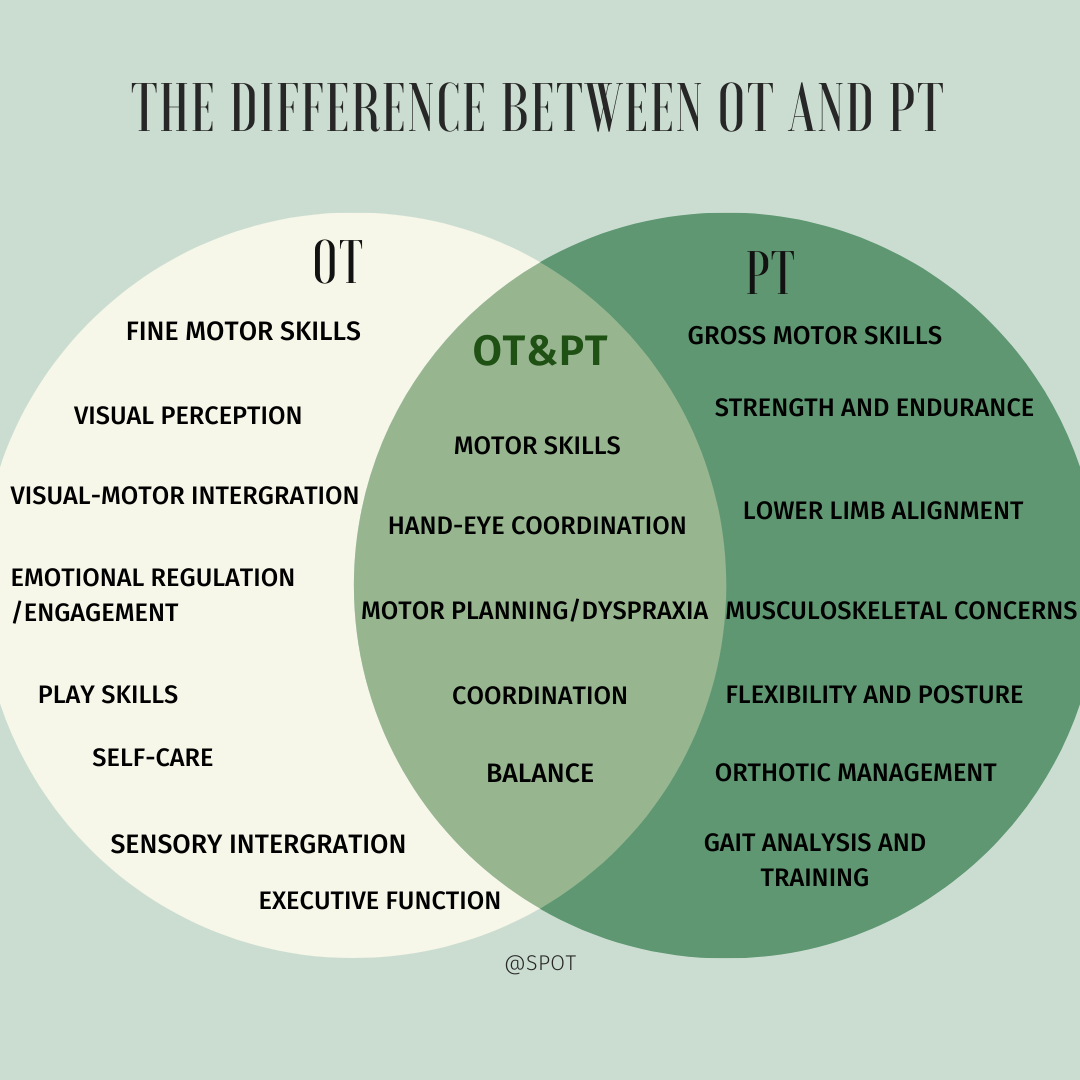
In the intricate tapestry of healthcare, the roles of Occupational Therapy (OT) and Physical Therapy (PT) often intermingle, yet they are distinct in their philosophy, approach, and ultimate objectives. Understanding these differences can illuminate a path toward optimal recovery for individuals facing various physical challenges. In this exploration, we will delve deeply into each discipline, contrasting their aims, methodologies, and the environments in which they thrive.
1. Defining the Disciplines
At its core, Occupational Therapy centers on enabling individuals to engage in meaningful activities or “occupations,” which encompass daily tasks such as dressing, cooking, and social interaction. OT practitioners focus on the holistic needs of the patient, considering emotional and psychological factors alongside physical impairments.
Conversely, Physical Therapy primarily emphasizes the restoration of physical function. Practitioners in this field are well-versed in employing techniques designed to alleviate pain, enhance mobility, and facilitate rehabilitation through targeted exercises, manual therapy, and technology-driven interventions.
2. Goals of Therapy
The overarching goal of Occupational Therapy is to foster independence in everyday activities. Practitioners strive to empower clients by helping them overcome barriers that impede their ability to participate in personal and professional engagements. This goal is often achieved through personalized interventions tailored to each individual’s specific needs.
In contrast, Physical Therapy aims to restore movement and function following injury, surgery, or illness. The focus here is often more immediate and data-driven, centered on alleviating pain, regaining strength, and improving mobility to ensure that patients can resume their previous levels of physical activity.
3. Treatment Techniques and Methodologies
Occupational Therapists employ an array of techniques that may include adaptive equipment, modifications to the environment, therapeutic activities, and education to foster skill development. For instance, if a client struggles with fine motor skills, an OT might integrate activities that enhance dexterity while simultaneously considering the underlying sensory issues that affect performance.
Physical Therapists, on the other hand, employ modalities such as ultrasound, electrical stimulation, heat, and cold therapy to manage pain and inflammation. Strengthening exercises, range-of-motion training, and balance training are cornerstones of PT, often prescribed to help clients recover from specific physical setbacks.
4. Treatment Duration and Frequency
Occupational Therapy often involves a longer-term commitment, characterized by frequent sessions that may spread out across weeks or months, depending on the patient’s condition and goals. This gradual approach allows for sustainable progress and the adjustment of tactics as clients achieve milestones.
In contrast, Physical Therapy may initially demand more frequent visits, particularly after a significant injury or surgical intervention. As patients begin to regain functionality, the frequency may decrease, transitioning to home exercises aimed at solidifying gains achieved during supervised sessions.
5. Target Populations
Both disciplines cater to diverse populations, yet the client demographics often differ. Occupational Therapists frequently work with individuals coping with developmental delays, autism spectrum disorders, cognitive impairments, or mental health issues. Their knowledge is essential in schools, rehabilitation centers, and residential facilities as they strive to enhance the quality of life.
Physical Therapists typically engage with patients recovering from orthopedic surgeries, sports injuries, or neurological conditions such as strokes. Their expertise in biomechanics and physiology empowers clients to restore or optimize physical capabilities.
6. Collaborative Approaches
In many clinical settings, OT and PT practitioners work collaboratively, each bringing their unique perspectives to the patient’s care plan. This interdisciplinary approach ensures a comprehensive treatment strategy that encourages a broader range of recovery while addressing the multifaceted needs of the patient.
A prime example is rehabilitation following a stroke, where a patient may benefit from OT’s focus on daily functioning while simultaneously engaging in PT to regain mobility. This synergy not only fast-tracks recovery but also enriches the therapeutic experience.
7. The Educational Pathways
The training required for each discipline also mirrors their distinctive focuses. Occupational Therapists typically obtain a master’s or doctoral degree in occupational therapy, culminating in a board certification. Their education encompasses psychology, anatomy, and therapeutic techniques specific to functional abilities.
In contrast, Physical Therapists must earn a Doctor of Physical Therapy (DPT) degree, which incorporates rigorous study in physical sciences, anatomy, and patient care techniques. This educational foundation equips them with the requisite skills to assess and implement rehabilitation programs effectively.
8. The Role of Technology
As technology continues to evolve, both OT and PT incorporate innovative tools into their practices. In Occupational Therapy, this could manifest as assistive devices tailored for specific tasks, facilitating independence through ingenuity. Physical Therapy might leverage advanced modalities like virtual reality, robotics, or mobile apps that enhance engagement and track progress.
Conclusion
While Occupational Therapy and Physical Therapy each play vital roles in the rehabilitation landscape, understanding their fundamental differences is crucial for prospective patients navigating their recovery journeys. The nuanced approaches of both therapies highlight the importance of personalized care tailored to individual needs. By recognizing that OT and PT serve distinct yet complementary functions, individuals can make informed decisions about their treatment and embrace a path toward comprehensive recovery.










Leave a Comment