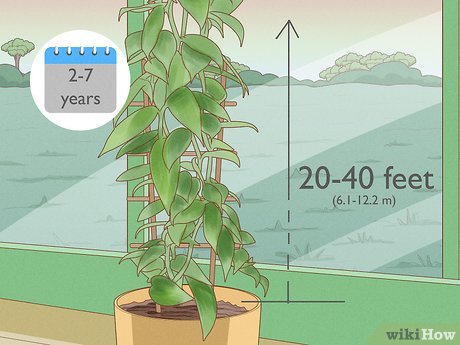
Vanilla, a quintessential flavoring beloved worldwide, captivates the palate with its rich aroma and versatile nature. Growing vanilla is a complex yet rewarding endeavor, particularly because vanilla beans are derived from unique orchids and require meticulous care. This guide delves into the multifaceted process of cultivating vanilla, ensuring you emerge well-equipped to embark on this aromatic horticultural journey.
Understanding Vanilla Plant Species
Vanilla is primarily borne from two species: Vanilla planifolia and Vanilla tahitensis. The former is predominantly farmed for commercial purposes, while the latter, often referred to as Tahitian vanilla, possesses a unique flavor profile. Understanding these distinctions is crucial as they dictate the plant’s environmental needs, growth patterns, and final flavor characteristics.
Climate Requirements
Vanilla thrives in tropical climates, ideally between 20°C and 30°C (68°F to 86°F). It necessitates high humidity—ideally around 80%—and dappled shade. Locations with consistent rainfall are preferred; consequently, consider regions where the average rainfall exceeds 1,500 mm annually. A climate that oscillates between wet and dry seasons fosters optimal growth, culminating in robust vine development and fruitful yield.
Soil Composition
Soil quality directly influences the growth of vanilla. A well-draining, rich loamy soil with a pH of 6 to 7 is advantageous. Incorporating organic matter such as compost can enhance nutrient availability. The soil must retain sufficient moisture without waterlogging, which can detrimentally affect root health. Regular testing can ascertain nutrient levels and guide amendments to support optimal growth.
Propagation Techniques
Vanilla is propagated primarily through cuttings. The ideal approach involves selecting healthy vine segments approximately 30 cm long, featuring at least three nodes. These cuttings should be allowed to scar for a day before planting in well-prepared soil. Alternatively, air layering can be employed for an additional propagation method, where shoots are encouraged to root while still attached to the parent plant. This technique can yield a stronger start for young plants.
Supporting Structures
As vanilla is an epiphytic plant, it requires a sturdy support structure to thrive. Ascertain the construction of a trellis or a series of posts, ideally crafted from non-toxic materials like bamboo. Ensure the structure is about 2 to 3 meters (6 to 10 feet) tall, facilitating the vine’s upward growth and granting ample space for light capture. This vertical approach mimics the plant’s natural habitat, promoting healthy vine elongation.
Watering and Fertilization
Consistent moisture is integral to vanilla health. Employ a watering regime that dampens the soil without creating stagnant pools. During dry seasons or periods of active growth, watering should occur more frequently. Meanwhile, fertilizers—rich in potassium and phosphorus—should be applied sparingly to avoid nutrient burn. Regular application of organic fertilizers like fish emulsion or seaweed extract can yield robust plants equipped to produce exquisite beans.
Pollination Process
Vanilla flowers present a unique challenge, as they only bloom for a mere 24 hours and require manual pollination due to the absence of native pollinators in many regions. This intricate process involves delicately lifting the flap of the flower and using a small tool to transfer pollen to the stigma. Successful pollination is pivotal, as it directly leads to the development of the coveted vanilla bean pods.
Pest and Disease Management
Like all cultivated plants, vanilla is susceptible to various pests and diseases. Fungal infections, such as leaf blight, can be combated through proper ventilation and by avoiding excess moisture. Regularly inspecting plants is prudent, as early detection is key to management. Pests such as aphids or mealybugs may also occur; introducing beneficial insects or using natural insecticides can bolster your garden’s defenses.
The Harvesting Phase
The maturation of vanilla beans typically spans 6 to 9 months post-pollination. Identifying the optimal moment for harvest is critical; beans should be plump and begin to show a slight yellow tint at the tips. Careful clipping ensures minimal damage. Involving skilled hands can prevent the premature rupture of pods, safeguarding the aromatic properties contained within.
Post-Harvest Treatment
Once harvested, beans undergo a meticulous curing process consisting of blanching, sweating, drying, and conditioning. Initially, blanching the beans in hot water helps in enzymatic activation, followed by sweating to develop flavor complexity. Drying requires careful attention to avoid mold growth, culminating in a conditioning phase that enhances the beans’ rich aroma. This entire process can take several months, but the resulting product is a testament to your dedication.
Conclusion
Cultivating vanilla is an intricate blend of art and science, requiring patience, dedication, and a thorough understanding of botanic intricacies. From selecting the right variety and providing robust support structures to engaging in meticulous pollination and post-harvest processes, each step is vital for securing a healthy yield of fragrant vanilla beans. Embarking on this aromatic adventure not only enriches your gardening prowess but also endows you with the satisfaction of producing a legendary flavor enjoyed across the globe.









Leave a Comment