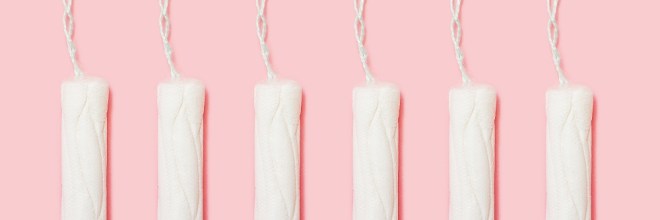
Understanding the appropriate frequency for changing tampons is crucial for menstrual health, comfort, and hygiene. Tampons are a widely used menstrual product, but the nuances of their use often warrant a comprehensive discussion. This guide will dissect the various factors affecting how often one should change their tampon, empowering individuals to make informed decisions about their menstrual care.
1. The Basics of Tampon Usage
At the forefront of tampon use is awareness of how they function. A tampon is designed to absorb menstrual flow, drawing moisture away from the body to prevent leaks. Familiarity with menstruation is key to understanding tampon frequency; menstrual flow can vary considerably from person to person and throughout the cycle. Initially, it is important to gauge your flow, as this can dictate how often tampons should be changed.
2. Recommended Change Frequency
Most health professionals recommend changing a tampon every four to six hours. Adhering to this guideline helps minimize the risk of Toxic Shock Syndrome (TSS), a rare but serious condition linked to tampon use. However, during heavy flow days, the interval may need to be shortened. Tampons should be changed every three to four hours if the absorption level is exceeded, which is often indicated by leakage or discomfort.
3. Types of Tampons and Their Absorbency
Different types of tampons are designed for various levels of absorption, typically categorized as:
- Light Absorbency: For those with a light flow; typically requires changing every 4 to 6 hours.
- Regular Absorbency: Suitable for moderate flow; recommended to change every 4 to 6 hours but may require more frequent changes on heavier days.
- Super Absorbency: Designed for heavier flow; may need to be changed every 3 to 4 hours.
- Super Plus Absorbency: For very heavy flow; ideally changed every 3 to 4 hours.
Choosing the right absorbency level not only plays a pivotal role in comfort but also impacts how often a tampon should be changed.
4. Signs That It’s Time to Change
Awareness of your body’s signals is paramount. Common indicators include:
- Heavy Flow: If a tampon becomes saturated and begins to leak, it is an immediate signal for a change.
- Discomfort: If you feel discomfort or pulling sensation, it may be a sign that the tampon is at capacity.
- Odor: An unusual odor can indicate that it’s time for a change, even if the tampon hasn’t reached the typical duration.
Heeding these bodily cues can enhance both safety and comfort throughout menstruation.
5. The Importance of Hygiene
Proper hygiene is integral to menstrual health. It is advisable to wash your hands before and after changing a tampon to reduce the risk of infection. This habit supports overall vaginal health and minimizes exposure to bacteria that could lead to complications. Further, if you notice any changes in your typical menstrual cycle or unusual symptoms like itchiness, burning, or discomfort, consult a healthcare professional promptly.
6. The Risks of Leaving a Tampon In Too Long
The potential for TSS is a critical concern associated with tampons. This rare condition can arise if a tampon is left in for more than eight hours, increasing the risk for bacteria to become entrenched and multiply. Symptoms of TSS may include a sudden high fever, rash, or vomiting. Understanding these risks reinforces the importance of adhering to recommended guidelines and changing tampons diligently.
7. Alternatives to Tampons
While tampons are a popular choice, several alternatives exist for individuals seeking variety or comfort. These options include:
- Menstrual Cups: Reusable silicone cups that collect menstrual fluid; can be worn for up to 12 hours.
- Period Underwear: Absorbent garments designed to manage flow without any additional products.
- Cloth Pads: Washable pads that offer an eco-friendly alternative to disposable products.
Each of these options comes with its own set of guidelines for use, often differing from traditional tampons in terms of change frequency and care.
8. Conclusion
The question of how often to change your tampon is pivotal, rooted in understanding your unique menstrual flow and the products you choose to use. By adhering to recommended guidelines and being attuned to your body’s signals, you can ensure both comfort and safety throughout your menstrual cycle. Remember, prioritizing your health and well-being is of utmost importance, so always consult healthcare professionals if any concerns arise. With informed decision-making, menstruation can become a more manageable and less daunting experience.








Leave a Comment