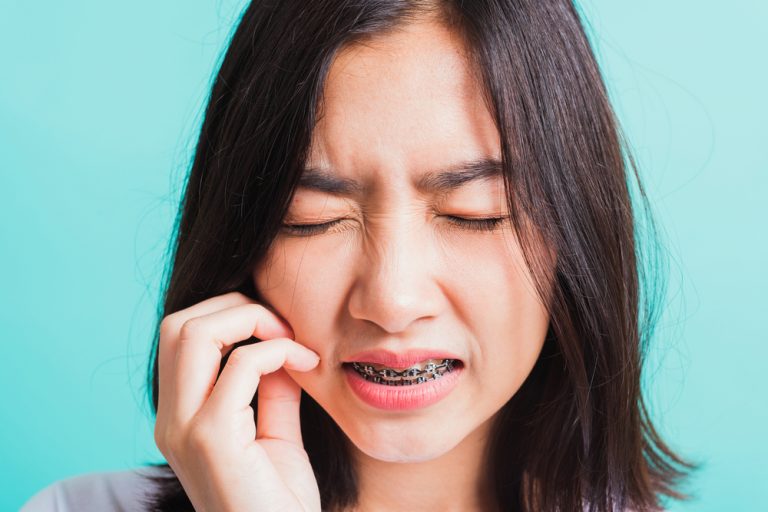
Experiencing discomfort or pain with braces is a prevalent concern among individuals undergoing orthodontic treatment. While the journey toward a more radiant smile holds immense potential for transformative results, the process can be daunting, especially when bracing yourself for the ache that often accompanies such adjustments. This article aims to explore the multifaceted aspects surrounding the pain associated with braces, providing an informative guide that will empower you with knowledge and coping strategies.
1. Understanding Why Braces Hurt
To comprehend the discomfort associated with braces, it is crucial to delve into the mechanics behind dental braces. These devices are engineered to apply gradual pressure on teeth, gently coaxing them into proper alignment over time. This application of force can lead to tenderness, particularly after adjustments. The ligaments, tissues, and roots of the teeth endure stress, resulting in soreness that may be significant initially but often diminishes with time as the teeth adapt to their new positions.
2. The Types of Pain You Might Experience
Different phases of orthodontic treatment can yield various sensations of pain, ranging from mild discomfort to sharp discomfort. Here are the most common types:
- Initial Pain: Following the placement of braces or after adjusting the wires, most patients report an intense level of discomfort that can begin to manifest within hours. This sensation is most acute during the first few days.
- Localized Tenderness: Specific teeth may feel more sensitive than others due to the shifting process. Indicators of localized tenderness include sensitivity to touch and the inability to chew hard foods.
- Migratory Pain: Some patients describe a sensation that appears to shift among different teeth over time. This migratory pain is part of the adjustment phase as teeth settle into new positions.
3. The Timeline of Pain
Pain levels can fluctuate throughout the treatment process. The initial days after getting braces or an adjustment session often bring the most significant discomfort. Many patients find relief typically within a week as their mouths acclimate. However, minor aches might continue, particularly after subsequent adjustments. It is important to maintain communication with your orthodontist regarding the intensity and duration of your pain for tailored advice.
4. Coping Mechanisms for Pain Relief
Dealing with the discomfort of braces can be a challenge, but there are several strategies to alleviate the pain:
- Over-the-Counter Pain Relief: Nonsteroidal anti-inflammatory drugs (NSAIDs) such as ibuprofen can be effective for managing pain. Always follow dosage recommendations and consult your orthodontist if uncertain.
- Cold Compress: Applying a cold compress or ice pack to the outside of the cheek can numb the area and reduce inflammation. Be sure to use a cloth barrier to prevent frostbite.
- Soft Foods: Transitioning to a diet comprised of softer foods can alleviate the discomfort associated with chewing. Foods like yogurt, mashed potatoes, and smoothies can be gentle on sensitive teeth.
- Saltwater Rinses: Gargling with warm saltwater can promote healing, especially if you are experiencing soreness or mouth irritation. Choose a ratio of one teaspoon of salt per cup of warm water.
5. Tips for Adjustment Periods
Orthodontic adjustments can enhance the discomfort, so being prepared can mitigate the severity of the experience. Here are a few strategies to ease through these periods:
- Gradual Transition: After an adjustment, allow your body time to adapt. Consider easing back into regular diets or crunchy snacks once the intensity of pain subsides.
- Mindfulness Practices: Techniques such as deep breathing, meditation, or even gentle yoga can help you navigate the emotional and physical aspects of discomfort.
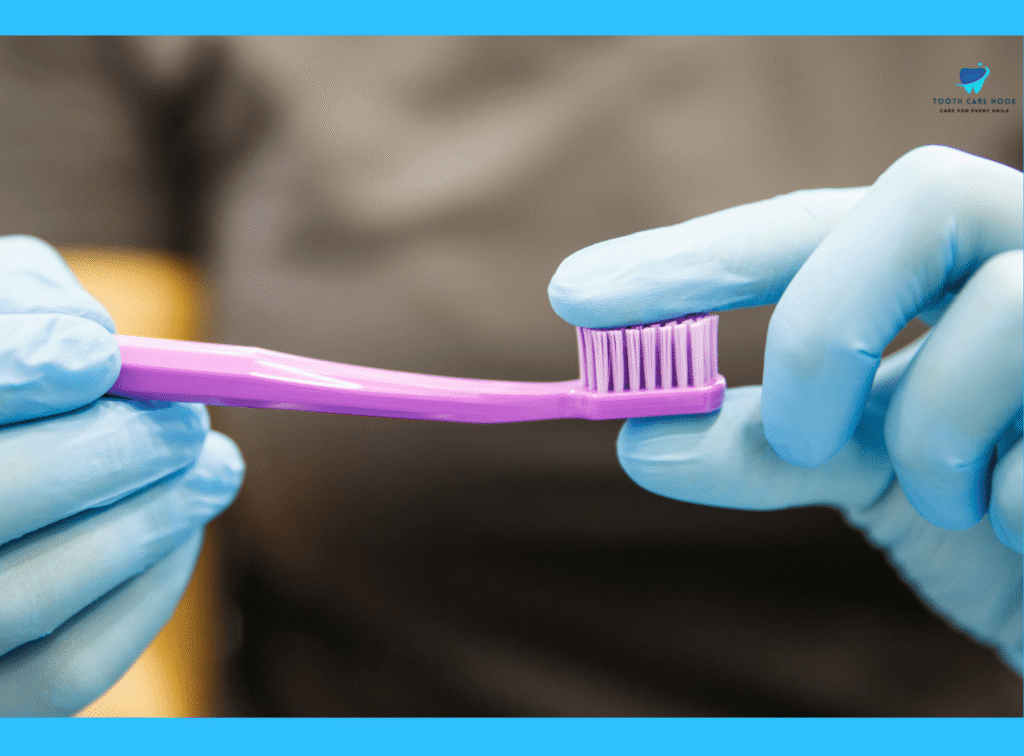
- Maintain Oral Hygiene: Keeping your teeth and braces clean can minimize further irritation, preventing potential infections that could complicate sensitivity. Invest in a soft-bristled toothbrush and avoid abrasive pastes.
6. Recognizing When to Seek Help
While discomfort is a typical part of the braces experience, certain situations warrant a call to your orthodontist:
- Persistent Pain: If your pain does not subside after a week or intensifies, it could indicate complications.
- Severe Swelling or Bleeding: These symptoms might suggest an adverse reaction or infection, necessitating immediate medical assessment.
- Loose Braces or Wires: If components of your braces become loose or break, do not hesitate to contact your orthodontist for adjustments.
Conclusion
The journey toward a perfect smile while wearing braces can be fraught with discomfort, yet understanding the source of pain and having effective management strategies can significantly ease the process. Remember that pain is often temporary and, with time, the results will prove worth the struggle. In navigating this journey, regularly communicating with your orthodontist is essential, empowering you to transform painful obstacles into stepping stones toward a healthier, more beautiful smile.







Leave a Comment