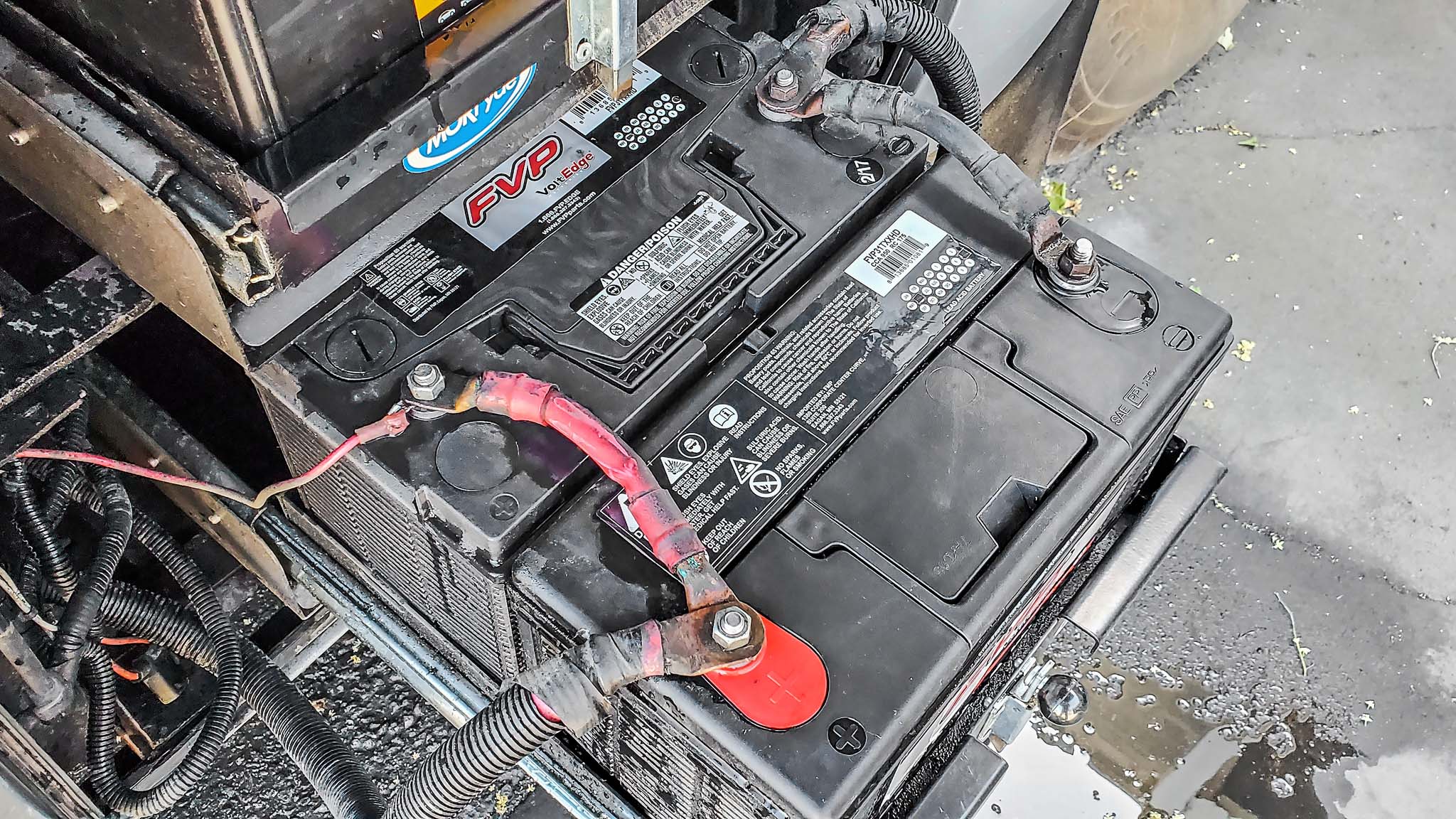
When it comes to powering devices that demand a robust energy supply, the synergy of voltage and current plays a critical role. Many enthusiasts and professionals alike turn to connecting 12-volt batteries to create a 24-volt system. This duality of voltage can optimize performance for a myriad of applications, particularly in automotive and renewable energy sectors. However, an often-overlooked aspect of this conversion is the gauge of wire necessary for efficient and safe connections. This article delves into the intricacies of selecting the appropriate wire gauge when connecting 12V batteries to form a 24V system, addressing a common observation about battery setups while revealing the deeper nuances that heighten one’s fascination with electrical systems.
Understanding Voltage and Current
To appreciate the relevance of wire gauge, one must first grasp the relationship between voltage and current. Voltage (V) is the force pushing electric charge through a circuit, while current (I) is the rate of flow of that charge. When two 12V batteries are connected in series to achieve a 24V output, the current capacity of the batteries becomes a pivotal factor. The higher the current, the more significant the gauge of wire required. This principle underpins why the selection of wire gauge can make or break system performance.
Wire Gauge Explained
The American Wire Gauge (AWG) system is a standardized way to define the thickness of electrical wires. A higher AWG number indicates a thinner wire, while a lower number denotes thicker wire. The wire’s capacity to carry current without overheating is documented through its ampacity, which is determined by its cross-sectional area and the material it’s made of, typically copper or aluminum. Understanding these dynamics is essential when connecting batteries to avoid potential hazards like voltage drops and overheating.
Factors Influencing Wire Gauge Selection
When selecting wire gauge for connecting 12V batteries to create a 24V system, several pivotal factors must be considered:
- Current Load: The anticipated load dictates how much current will flow through the wires. For example, a system drawing 10A will require a different gauge than one drawing 50A.
- Distance: The length of the wire run significantly affects resistance. Longer distances necessitate thicker wire to mitigate voltage drop, ensuring that devices receive the appropriate voltage.
- Temperature Considerations: Ambient temperature can influence wire performance and should be assessed, particularly in systems prone to high heat conditions.
- Type of Insulation: Different insulations can withstand varying degrees of heat and environmental conditions, thereby influencing wire selection.
Recommended Wire Gauges
To facilitate an understanding of which wire gauge to employ, the following table provides general recommendations based on the current load:
| Current (Amps) | Wire Gauge (AWG) |
|---|---|
| 10A | 16 AWG |
| 20A | 14 AWG |
| 30A | 12 AWG |
| 40A | 10 AWG |
| 50A | 8 AWG |
| 60A | 6 AWG |
This table serves as a guideline; individual circumstances may warrant adjustments based on the aforementioned factors.
Importance of Quality and Safety
Selecting the appropriate gauge wire is pivotal not merely for performance, but for safety. Subpar wiring can lead to excessive heat generation, insulation failure, and even fire hazards. It is of utmost importance to select high-quality, rated wire that aligns with the specific application. The integrity of connections and the quality of soldering or crimping techniques also play a critical role in ensuring that the system operates safely.
Complexity of Wiring Configurations
In many cases, it is also necessary to consider the wiring configuration of the batteries. For parallel arrangements, where two or more sets of batteries are implemented to increase current capacity while maintaining voltage, the same principles apply. Each connection point must be assessed for wire gauge sufficiency based on the total anticipated current flowing through the system. Additionally, bypassing poor connections is essential to uphold the system’s efficiency and longevity.
Conclusion
Wiring up two 12V batteries to form a 24V system is a task rife with technical challenges and deeper implications. From understanding the dynamics of voltage and current to choosing the correct wire gauge, each decision reverberates through the performance and safety of the overall system. Whether working on renewable energy installations, automotive projects, or custom electronic setups, attention to wire gauge can turn a simple connection into a durable and effective conduit of power. Armed with this knowledge, one can maneuver through the complexities of wiring with confidence and insight, turning fascination into mastery in the world of electrical systems.









Leave a Comment