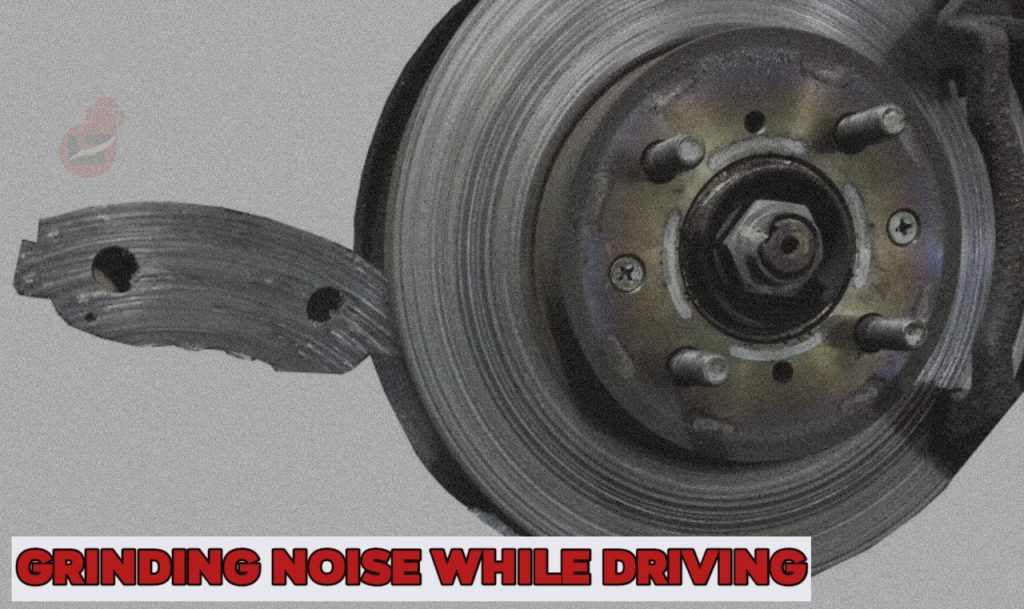
Experiencing a grinding sensation while applying your brakes can be alarming. It signifies more than just a fleeting inconvenience; it is often a harbinger of deeper mechanical issues. Understanding the reasons behind this unsettling noise is crucial for maintaining the integrity of your vehicle’s braking system. In this article, we will explore the various causes of brake grinding, how to mitigate these issues, and why vigilance is necessary to ensure your safety on the road.
1. Worn Brake Pads
The most prevalent reason for grinding sounds when braking is the deterioration of brake pads. Over time, friction material wears down due to the constant pressure and heat generated during braking. When pads reach a certain level of depletion, the metal backing plate makes contact with the rotor, producing a grinding noise. This is not merely an auditory annoyance; it indicates that you are at risk of brake failure. Regular inspection and timely replacement of brake pads are imperative.
2. Debris Between Pad and Rotor
Sometimes, the cause of grinding may not stem from your brake components at all. Small debris, such as gravel, dust, or rust particles, can become lodged between the brake pad and the rotor. This foreign material can create a harsh grinding sound as the brakes engage. While the noise may seem innocuous at first, leaving debris unresolved can lead to further damage to both the pads and rotors. Keeping your brake components clean can prevent such issues.
3. Damaged Rotors
Brake rotors can become warped or grooved due to excessive heat or wear. When the surface of the rotor becomes uneven, it can cause the brake pads to grind against it irregularly. This not only creates noise but can also compromise braking efficiency. In severe cases, deeply scored rotors may require resurfacing or complete replacement, leading to increased repair costs. Regular maintenance checks can help identify rotor damage before it escalates.
4. Lack of Lubrication
In some instances, inadequate lubrication of the brake components can be the root cause of grinding noises. Brake parts, particularly the caliper slides, need proper lubrication to move smoothly. If these parts become corroded or dry, friction increases, leading to unwanted sounds. Employing the correct high-temperature brake grease during installation can mitigate this issue and enhance the longevity of your brake system.
5. Faulty Brake Hardware
Brake systems comprise various hardware components, including the calipers, springs, and clips. If any of these elements are corroded, broken, or improperly installed, it can lead to misalignment and subsequent grinding noises. Ensuring that all hardware is in good condition can prevent louder and more damaging consequences down the road. A qualified technician can assess the integrity of your brake hardware during routine maintenance.
6. Brake Fluid Leaks
While it may seem unrelated, low brake fluid levels can lead to suboptimal brake performance. Adequate hydraulic pressure is essential for the effective engagement of brake pads against the rotors. If there is a leak in the brake fluid lines, pressure will be lost, impacting the functionality of the braking system. This situation could lead to not only grinding noises but also a complete failure of the brakes. Regular monitoring of the brake fluid level can help avert this issue.
7. Corroded or Rusty Components
Exposed to various environmental conditions, brake components can succumb to rust and corrosion. When components like the rotors start to rust, they may not interact properly with the brake pads, causing a grinding noise as they engage. Regular washing of your vehicle, particularly in areas salted during winter, can help minimize rust accumulation. Additionally, treating susceptible areas with protective coatings can prolong the lifespan of your brake components.
8. Improper Installation of Brake Parts
In some cases, a grinding noise can stem from improper installation of brake components. Whether due to a DIY job gone awry or shoddy workmanship at a garage, incorrectly aligned pads or rotors can lead to significant noises and performance issues. If you’ve recently replaced pads or rotors, it may be worth revisiting the installation to ensure everything is mounted correctly and functions as intended.
9. Professional Inspection
Given the potentially hazardous nature of brake grinding, timely professional inspection is paramount. A qualified mechanic can provide a comprehensive diagnosis, determining the source of the noise and establishing the most effective course of action. Ignoring the problem only amplifies the risk, as compromised brakes can lead to severe accidents. Investing in routine brake checks fosters both safety and longevity.
In conclusion, grinding sounds from your brakes should never be taken lightly. They signal an underlying issue that, if neglected, could result in significant safety risks and costly repairs. By maintaining vigilance over your vehicle’s braking system, conducting regular inspections, and addressing issues promptly, you can significantly enhance your safety and the longevity of your brakes. Understanding the intricacies behind such common concerns fosters a deeper appreciation for the engineering that keeps you safe on the road. Don’t wait for the grinding to escalate—be proactive and ensure your vehicle’s brakes are always up to par.







Leave a Comment