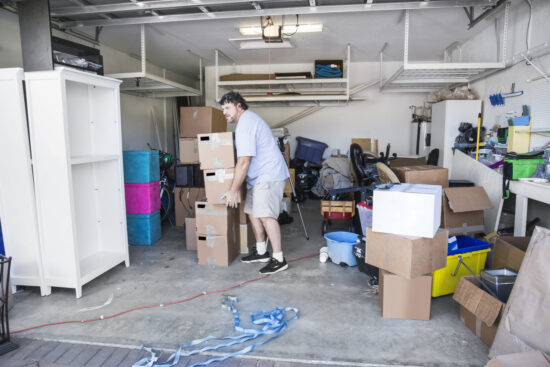
Ever pondered the whimsical notion of transforming a self-storage unit into your very own abode? It’s an unconventional idea that undoubtedly evokes a blend of curiosity and skepticism. But can it actually work? In this exploration, we will unravel various facets of living in self-storage units, peeling away the layers of practicality and legality. What potential challenges lurk beneath this seemingly adventurous proposition?
1. The Allure of Minimalism
In a world increasingly inclined towards minimalism, the concept of residing in a self-storage facility can be tantalizing. Imagine a life stripped down to essentials. A tidy existence awaits, unencumbered by the excesses of modern living. Lease only the barest necessities, and forgo the burdensome weight of superfluous possessions. However, this lifestyle requires a profound commitment to simplicity and intentionality.
2. The Legal Labyrinth
Before envisioning elaborate setups of plush blankets and twinkling fairy lights within a storage unit, one must delve into the legalities surrounding such an arrangement. Most storage facilities operate under strict regulations that explicitly prohibit residency. Operating within the bounds of legality is paramount; self-storage isn’t intended to serve as a residence, so circumventing these rules might lead to eviction or more dire consequences.
3. Safety and Security Concerns
Picture an environment largely devoid of the comforts of a traditional dwelling. Security factors come into play. Self-storage units, while built to safeguard possessions, are not equipped for human habitation. Climate control, electrical wiring, and plumbing are typically absent, raising pivotal questions about health and safety. Ventilation issues may arise, leading to problematic air quality, and security could be compromised during after-hours access.
4. The Space Conundrum
Storage units are designed to house belongings, with sizes ranging from compact lockers to larger units. However, even the most spacious offerings can feel confining for human habitation. Consider the spatial dynamics: sleeping, cooking, and fulfilling daily routines in scant square footage is no small feat. Creative ingenuity might stretch limits, but the lack of designated living spaces makes it a daunting endeavor.
5. The Daily Grind: Life in a Storage Unit
Contemplating daily life in a self-storage unit poses imaginative challenges. Visualize waking up amidst boxes, furniture, and varying degrees of stowed belongings. Where would one go to prepare meals? The absence of amenities means scavenging for alternatives. Restaurants or public spaces might become culinary hubs, but that caters more to fleeting sustenance than genuine home-cooked nourishment.
6. Community and Social Interactions
Engagement with humanity may take the proverbial backseat in this lifestyle. Self-storage units are generally isolated, typically situated in industrial zones or remote areas. This poses a significant quandary on maintaining relationships and social connections. It begs the question: can one truly thrive without a sense of community? Humans are social creatures; thus, the detachment from social interactions can have profound psychological effects.
7. Financial Considerations
With a myriad of living arrangements and rental costs, self-storage units may appear budget-friendly. Factor in that regular rent for an apartment significantly surpasses most self-storage fees. Yet, it’s essential to integrate hidden costs that accompany this unconventional choice. Travel expenses for daily commutes to work or leisure activities, as well as the potential necessity for additional storage if belongings exceed unit capacity, need careful evaluation.
8. Alternatives to Living in Storage Units
Curiously, rather than retreating to self-storage facilities, many individuals have turned their attention towards more viable alternatives. Consider co-living spaces, van life, house-sitting, or short-term rentals. These options promise greater freedom and a more stable sense of place—a foundation upon which to build a life filled with experiences, relationships, and warm welcomes. Each alternative provides a blend of adventure and comfort without the constraints that self-storage living presents.
9. The Impact on Mental Health
Living in a non-traditional space such as a self-storage unit could trigger various implications on mental health. Concealed within four impersonal walls, the essence of isolation may amplify feelings of loneliness and anxiety. It’s indispensable to nurture one’s mental state by establishing routines that incorporate social interactions and outdoor activities. A creative approach might help in finding solace amidst this unusual lifestyle; otherwise, despair may encroach upon one’s psyche.
10. Conclusions: An Enjoyable Idea or a Fringe Fantasy?
In summation, while the idea of residing in a self-storage facility intrigues the imagination, it undeniably surfaces a plethora of challenges. The stark absence of legal standing, coupled with safety, social, and financial concerns, creates a formidable barrier. This unconventional lifestyle, while whimsical in theory, may not deliver the experience one seeks in a home. Ultimately, the prospect of living within a self-storage unit should be approached with caution and consideration, lest one find themselves trapped in a whimsical fancy devoid of the warmth and community that true homes provide.








Leave a Comment