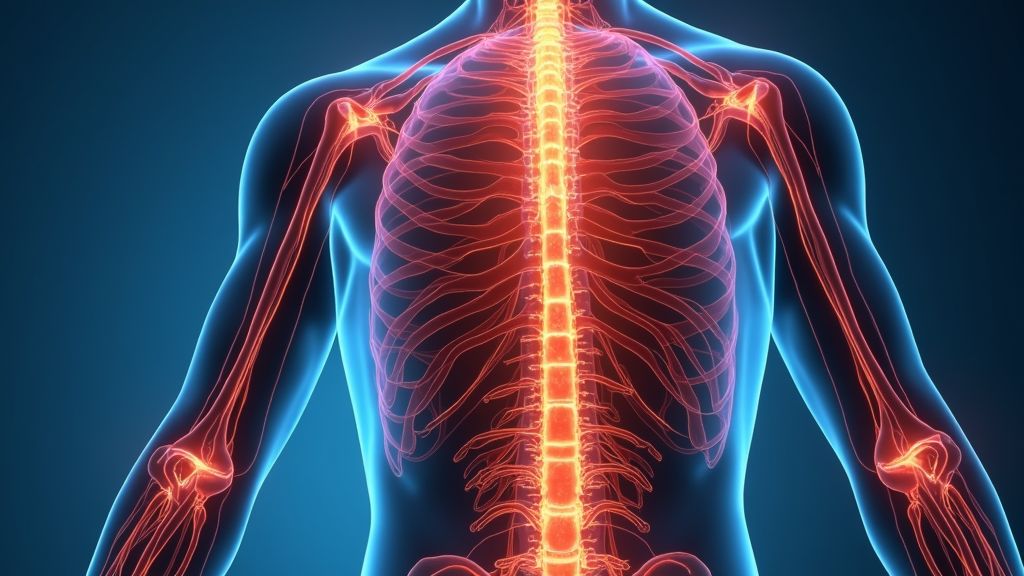
When grappling with nerve injuries or irritations, patients often report a puzzling phenomenon: an unsettling burning sensation. This experience, while disconcerting, is commonly misinterpreted. Many may wonder, “Is burning a sign of nerve healing?” This question not only digs into the intricacies of the human sensory system but also speaks to a broader theme about the nature of recovery. Understanding the relationship between nerve healing and sensations like burning can illuminate the often-complex pathways of recovery and regeneration.
To unearth the underlying mechanisms, it is imperative to define the nature of nerve injuries. These injuries may originate from a myriad of sources: trauma, repetitive stress, or even systemic conditions like diabetes. When nerves sustain damage, the body’s intricate healing processes are triggered, prompting a multifaceted response aimed at repairing neuronal integrity.
Hormones and growth factors come into play as the body initiates its healing cascade. Inflammation becomes a poignant player in the narrative of nerve repair. Initially, inflammation may provoke sensations of pain, tingling, or burning, which can be bewildering for those undergoing recuperation. These sensations result from heightened sensitivity in the peripheral nervous system and an influx of chemical mediators, which activate pain receptors. Thus, while one may endure discomfort, this does not necessarily indicate a lack of progress; rather, it often signifies that the healing process is underway.
The concept of “neuroplasticity” is vital when discussing nerve healing. Neuroplasticity is the brain’s ability to reorganize itself by forming new neural connections throughout life. When stresses or injuries affect nerve function, the nervous system can adapt in a bid to restore homeostasis. Interestingly, the enhanced signaling during this time may amplify sensations, including a burning feeling. It is less about the presence of pain and more about the nerves recalibrating in response to previous damage.
Moreover, one must consider that not all burning sensations are comforting indicators of healing. Some may point to issues such as neuropathy, which can produce similar feelings without the promise of recovery. Neuropathy indicates a malfunction in the nervous system and can arise from diabetes, infections, or toxins. In such cases, the burning sensation indicates ongoing nerve distress rather than improvement.
Furthermore, the subjective nature of pain perceptions contributes to the complexity of interpreting burning sensations. Pain is not merely a physical experience; it intertwines with emotional and psychological states. Personal histories, stress levels, and mental health can amplify or dampen the perception of nerve-related sensations. Thus, two individuals with the same nerve injury may experience vastly different sensations and interpretations of those sensations. This emphasizes the critical importance of holistic approaches to nerve healing—not merely focusing on physical symptoms but also addressing mental well-being.
Another fascinating aspect to ponder is the role of biomarkers in monitoring nerve healing and regeneration processes. Researchers are investigating various proteins and genetic markers that could offer insights into the healing progress of nerves. These findings shed light on the mechanistic narratives underpinning nerve injuries and healing, suggesting that the biological responses during recovery are far more complex than initially presumed.
In the exploration of nerve healing and sensory experiences, it’s essential to address the potential pitfalls that individuals might encounter on their journey of recovery. Misinterpretation of discomfort can lead to unnecessary anxiety or a sense of frustration, sometimes culminating in a reluctance to engage in necessary therapies. Engaging in physical rehabilitation can help foster recovery, yet discomfort during this process is common. Recognizing that such sensations may indicate the body’s hard work in healing can transform the experience from one of dread to an empowering journey of resilience.
Moreover, educating oneself about nerve healing can foster a proactive approach to recovery. Implementing strategies that ease burning sensations can be beneficial. Techniques such as gentle stretching, physical therapy, mindfulness practices, and in some cases, medications prescribed by health professionals can alleviate discomfort and support healing. A tailored approach, in conjunction with knowledgeable medical guidance, enhances the prospects of optimal recovery.
As intriguing as the connection is between burning sensations and nerve healing, it also invites a broader contemplation about the resilience of the human body. Each experience of pain, discomfort, or burning can symbolize a deeper story about the body’s tenacity and its unwavering commitment to regenerate and heal. Recognizing and respecting these sensations can empower those in recovery to navigate their path with greater awareness and intentionality.
In conclusion, while the experience of burning during nerve healing can often cause confusion and concern, it is frequently a physiological sign of the body’s complex repair processes. The interplay between nerve regeneration, neuroplasticity, and personal perceptions underscores the nuanced discussion about nerve injuries. While burning may not always signify linear healing, it encapsulates the multifaceted nature of recovery, encouraging individuals to explore their experiences with both curiosity and informed understanding. By combining insight from biology, psychology, and rehabilitation, one can embrace the healing journey with greater patience and optimism.







Leave a Comment