Are you dreaming of a perfect, radiant smile? Perhaps you’ve considered dental veneers as a quick fix, but it’s time to delve into the complexities of this seemingly fabulous cosmetic solution. While veneers can dramatically enhance the aesthetic appeal of your smile, the question lingers: Are veneers bad for your teeth? This article embarks on a thorough exploration of the potential ramifications associated with dental veneers, their benefits, and the considerations you should weigh before making a decision.
Understanding Dental Veneers
Veneers are ultra-thin shells, typically made from porcelain or composite resin, designed to cover the front surface of teeth. They serve not only as a cosmetic enhancement but also function as a protective layer against further damage. The allure lies in their ability to remedy issues like discoloration, misalignment, or even minor chips. However, the journey to that perfect smile is not without its challenges.
Benefits of Veneers
It’s essential to acknowledge the perks of choosing veneers. For many, they are a transformative solution. Let’s consider some of the notable benefits:
- Enhanced Aesthetics: Veneers can improve the uniformity and brightness of teeth, providing the Hollywood smile many aspire to.
- Stain Resistance: Particularly with porcelain veneers, the material resists staining from coffee, tea, and other substances that often discolor natural teeth.
- Durability: When properly cared for, veneers can last over a decade, making them a long-term investment.
- Minimal Tooth Alteration: While some enamel must be removed, the process is often less invasive than alternatives such as crowns.
The Challenges a Veneer-Infused Smile Might Present
While veneers offer enticing benefits, they also pose certain risks that warrant careful consideration. Here are crucial challenges to keep in mind:
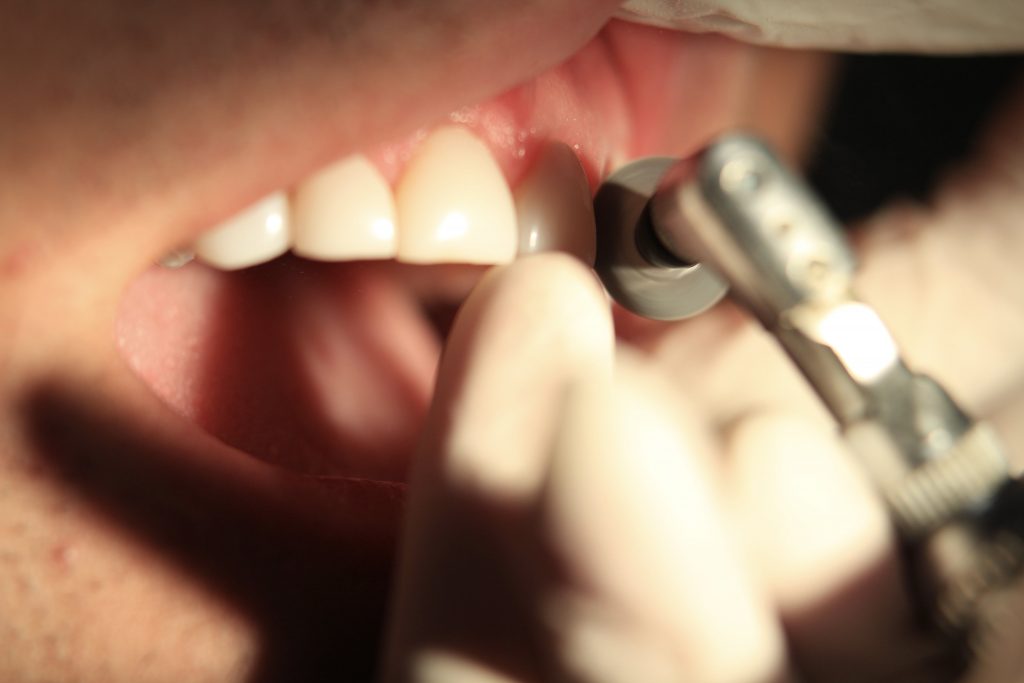
- Tooth Preparation: The application of veneers typically requires some removal of the tooth’s enamel. This procedure is irreversible, which means that once you opt for veneers, your natural tooth structure is altered permanently. What does this mean for your long-term dental health?
- Potential Sensitivity: After enamel is shaved down, some individuals might experience increased sensitivity to hot and cold temperatures. This reaction could be short-lived or persist over time, raising questions about comfort.
- Longevity and Maintenance: Although veneers are designed to last, they are not indestructible. If not cared for diligently, they can chip or crack, leading to a need for professional repair or replacement which may incur significant costs.
- Gum Health: If the veneers are not applied correctly or if the fitting is off, it can lead to gum irritation, infection, or aesthetic gum recession that might eventually detract from the overall appearance.
- Matching Natural Teeth: Achieving an impeccable color match between veneers and natural teeth can be challenging. Over time, natural teeth may age and change color, leading to a mismatch.
Dental Considerations Before Proceeding
As you weigh the pros and cons of veneers, consider some pivotal points:
- Consultation with Your Dentist: Before making any decisions, a thorough consultation with a skilled dentist is imperative. They can assess your oral health, discuss expectations, and highlight possible alternatives.
- Understanding Your Options: Explore alternative cosmetic treatments that may be less invasive, such as teeth whitening or orthodontics, which can correct alignment without altering enamel.
- Long-Term Commitment: Are you ready for the commitment? Veneers require consistent care like regular dental check-ups and adhering to a careful oral hygiene routine.
Making a Decision
Following a comprehensive evaluation of the advantages and potential consequences, it’s crucial to consider your personal circumstances. Are you prepared to embrace the permanence that veneers entail and the commitment to maintain your oral health?
The aesthetic benefits of veneers can indeed inspire confidence, but understanding their implications for your dental well-being is essential. As with any dental intervention, knowledge serves as your most potent ally in navigating the choices that best suit your unique needs.
Conclusion
Are veneers bad for your teeth? The answer isn’t a mere yes or no; it lies in a nuanced understanding of risks versus rewards. While they can enhance your smile remarkably, the permanence of tooth alteration, possible sensitivity issues, and ongoing care commitments cannot be overlooked. Before pursuing this route, gather all the necessary information and engage with your dental care provider. After all, a luminous smile should also be a healthy one.







Leave a Comment