
In recent years, the conversation surrounding body enhancement procedures, such as Brazilian Butt Lifts (BBLs), has surged. This heightened discourse inevitably leads to varied interpretations within religious contexts. For many individuals who are devoutly adherent to Islamic tenets, the question of whether a BBL is considered haram (forbidden) warrants an exploration of religious doctrine, cultural influences, and ethics surrounding body modifications. This article delves into these multifaceted dimensions to elucidate whether a BBL can be deemed haram in Islam.
1. Understanding the Concept of Haram
At the core of this discussion is the term ‘haram,’ which refers to actions considered impermissible in Islamic jurisprudence. The foundations of haram are primarily derived from the Qur’an and Hadith, and they serve as guiding principles for Muslims navigating various aspects of life. Comprehending what constitutes haram involves an exploration of intent, consequences, and the conditions under which modifications occur.
2. The Tradition of Body Modifications in Islam
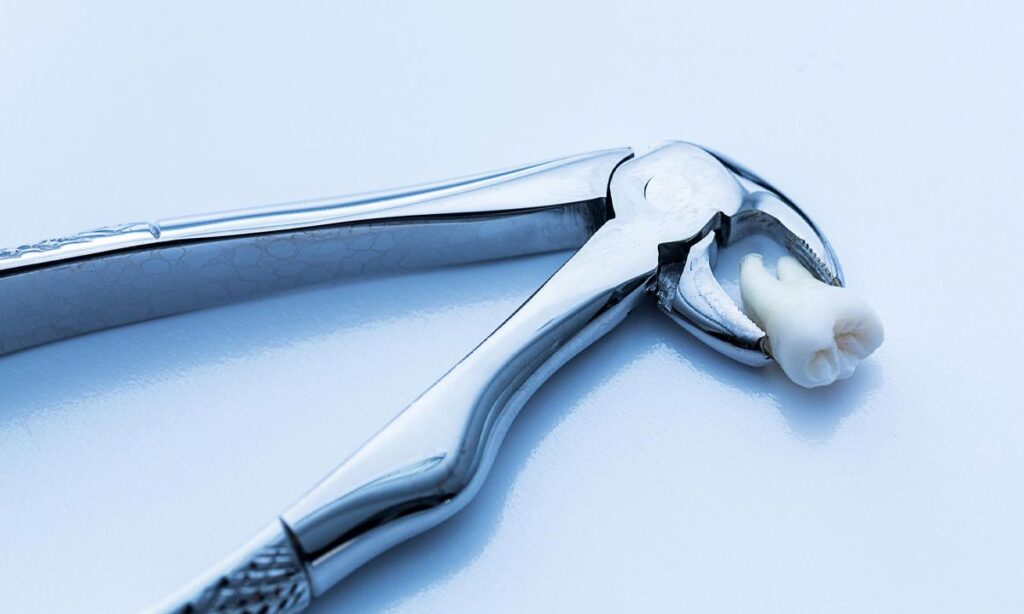
Before diving into the implications of BBLs, it is essential to recognize the cultural and historical context surrounding body modifications in Islam. Traditionally, certain body alterations, such as tattooing or excision, have been deemed haram. However, opinions vary, with some scholars arguing that moderate practices like dental enhancements or minor surgical procedures might not fall under the same prohibitive categorization. This historical background underscores the fluidity of interpretations when it comes to body alterations.
3. Ethical Considerations of Cosmetic Surgery
Aligning with ethical considerations can significantly influence the haram ruling. For instance, if a BBL stems from a place of self-loathing, exacerbates vanity, or propagates societal pressures, scholars may lean towards declaring it haram. Conversely, should the intent carry an element of self-improvement while remaining true to Islamic values of modesty and humility, some might argue for its permissibility. Thus, ethical motivations and societal ramifications play critical roles in this deliberation.
4. The Stance of Contemporary Scholars
The prevailing interpretations by contemporary scholars shed light on the complex dialogue surrounding cosmetic surgery and its permissibility. While some scholars unequivocally deem BBLs as haram, citing the alteration of Allah’s creation, others advocate for a more nuanced approach. They emphasize individual circumstances, motivations behind the surgery, and potential health implications. The varied perspectives signal the ongoing evolution of understanding within the Muslim community.
5. Health Risks and Islamic Teachings
Health concerns inherently tie into the discussion of BBLs. Cosmetic procedures, while popular, are not without risks. The Islamic principle of preserving life and health underscores the importance of considering potential dangers associated with surgery. Should the risks outweigh the benefits, many would argue that undergoing such a procedure could be deemed haram, as it contradicts the imperative to safeguard one’s physical well-being.
6. Cultural Influences on Perception of BBLs
The intertwining nature of culture and religion cannot be overlooked. Various cultures within the Muslim world harbor differing attitudes towards body enhancement. In regions where beauty standards diverge significantly from traditional Muslim ideals, the acceptance of cosmetic procedures may be more pronounced. Conversely, more conservative communities might view BBLs with disapproval, creating a richly textured landscape of interpretations around the procedure.
7. Voices from the Muslim Community
Engagement with voices from the Muslim community provides insight into the diverse opinions regarding BBLs. Testimonials from those who have undergone the procedure often include themes of body positivity and empowerment. On the other hand, voices of dissent may emphasize the importance of accepting one’s natural form and the dangers of succumbing to societal pressures. This duality highlights the need for open dialogues where individual experiences are validated and respected.
8. The Role of Intention in Islamic Beliefs
In Islam, intention (niyyah) plays a pivotal role in discerning actions. The motivations behind seeking a BBL can significantly influence its status concerning haram. A sincere intent to enhance one’s beauty while observing Islamic tenets may lead some scholars to adopt a permissive stance. In contrast, intentions rooted in vanity or the desire to conform to potentially superficial standards may skew the moral compass towards a haram classification.
Conclusion
The question of whether a Brazilian Butt Lift is haram delves into intricate realms of theology, ethics, and cultural perceptions. While varying interpretations exist within the Muslim community, a common thread signifies the importance of motivation and cultural context. Engaging with this topic requires an understanding of the implications of body modifications, drawing from both religious teachings and contemporary perspectives. Ultimately, the decision rests within the individual’s understanding of their faith, leading to a quest for personal authenticity in a world replete with contrasting beauty ideals.








Leave a Comment