Dental Implants and MRI: An Intricate Dance Between Innovation and Imaging
In the symphony of modern dentistry, dental implants emerge as brilliant soloists, harmonizing the fusion of function and aesthetics. These meticulously crafted prosthetic roots not only restore the landscape of a smile but also play an integral role in preserving jaw integrity and overall health. However, when this artistry intersects with advanced imaging techniques such as Magnetic Resonance Imaging (MRI), a new dimension of inquiry unfolds, revealing both challenges and intricate nuances. This exploration delves into the interplay between dental implants and MRI, unearthing the considerations and implications of this dynamic relationship.
Unpacking Dental Implants: A Foundation of Resilience
At the heart of restorative dentistry, dental implants stand as formidable structures—biocompatible posts meticulously anchored into the jawbone. Picture them as robust pillars supporting a grand edifice, redefining oral functionality and aesthetics. Crafted from materials like titanium, these implants boast osseointegration, a process vividly akin to roots intertwining with the soil, establishing a steadfast foundation.
However, while their sturdiness is commendable, the emergence of complications is not uncommon. Infections, mechanical failures, or even peri-implantitis can undermine the stalwart nature of these implants. It is during these times that imaging modalities come into play, with MRI offering a deeper glimpse beneath the surface.
The Role of MRI in Dentistry: Peering Beyond the Veneer
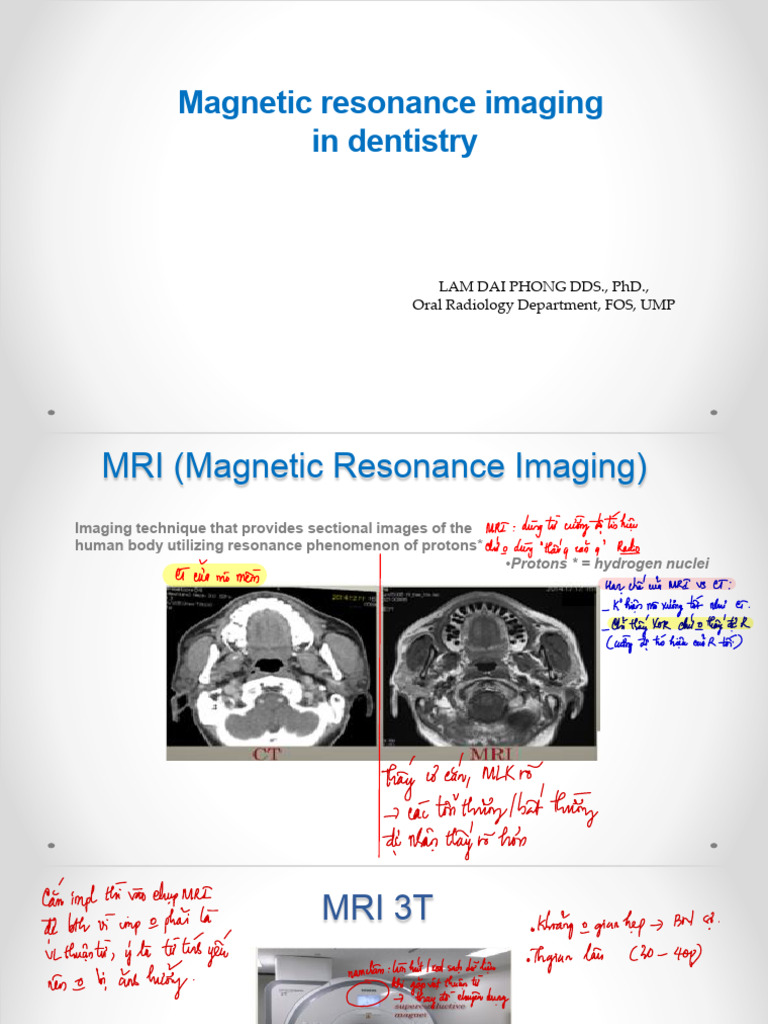
Magnetic Resonance Imaging has revolutionized the diagnostic landscape of medicine. Enabling practitioners to visualize internal structures without ionizing radiation, MRI serves as an exceptional tool for assessing soft tissues in the oral cavity, including the periodontal ligament and surrounding muscles. Imagine an artist using a powerful lens to capture the subtleties of a canvas; MRI performs a similar function by unveiling anatomical details that may be obscured in conventional radiographs.
Yet, the intersection between dental implants and MRI is governed by a complex set of parameters. As the electromagnetic fields pulse and the radio waves dance through tissues, one must consider the compatibility of the metal component—namely, the titanium or zirconium alloy anchoring the implant. While most dental implants are deemed MRI-safe, concerns regarding artifact generation and image distortion are paramount considerations for clinicians seeking precision.
Artifactual Complications: The Double-Edged Sword
As the proverbial sword cuts both ways, MRI’s interaction with metallic implants often results in signal interference, creating artifacts that may obscure critical diagnostic information. Artifacts manifest like a subtle haze over an otherwise pristine landscape, complicating the interpretation of imaging results. This phenomenon can mislead practitioners, potentially resulting in inaccurate treatment decisions or overlooked pathologies.
Moreover, the degree of distortion varies significantly based on several factors, including the type and location of the implant. A well-placed dental implant may exhibit minimal artifact, yet one positioned in proximity to the sinus—much like an obstruction in a serene river—could incite significant distortions, complicating the imaging process.
Utilizing MRI with Dental Implants: Best Practices
In the pursuit of optimal imaging despite the constraints posed by dental implants, several best practices have emerged. Practitioners should consider the following strategies to minimize complications:
- Pre-procedural Planning: Before engaging in MRI, a comprehensive evaluation of the dental history and existing implants is essential. Knowledge of the implant type aids in anticipating artifact patterns.
- Utilizing Specific Sequences: Employing specialized MRI sequences, such as turbo spin-echo (TSE) or fast-field echo (FFE) sequences, can enhance visualization while mitigating artifacts. These sequences act like skilled navigators, steering the imaging process through turbulent waters.
- Interdisciplinary Collaboration: Dentists and radiologists should communicate openly regarding the patient’s clinical history and current concerns, ensuring that the imaging process is tailored to unravel the most pertinent information.
Future Perspectives: Advancements on the Horizon
As technology continues to advance, the future of integrating dental implants with MRI holds promise. Innovations in imaging technology, such as improved pulse sequences and advanced software algorithms, are poised to refine the resolution of images, enhancing diagnostic accuracy. Additionally, the development of non-metallic implant materials, such as PEEK (polyether ether ketone), could dramatically reduce artifact interference during MRI, offering a more harmonious approach to imaging.
Conclusion: A Harmonious Coexistence
The relationship between dental implants and MRI epitomizes the balance between innovation and the challenges of contemporary medicine. While dental implants bolster oral health, their presence demands meticulous consideration during imaging procedures. The intricate dance of technology may sometimes yield discord, yet with prudent practice and evolving advancements, a harmonious coexistence is attainable. As the canvas of dentistry continues to evolve, the intertwining of dental implants and MRI paves a path toward enhanced patient care, ensuring that smiles are not only restored but also meticulously observed.








Leave a Comment