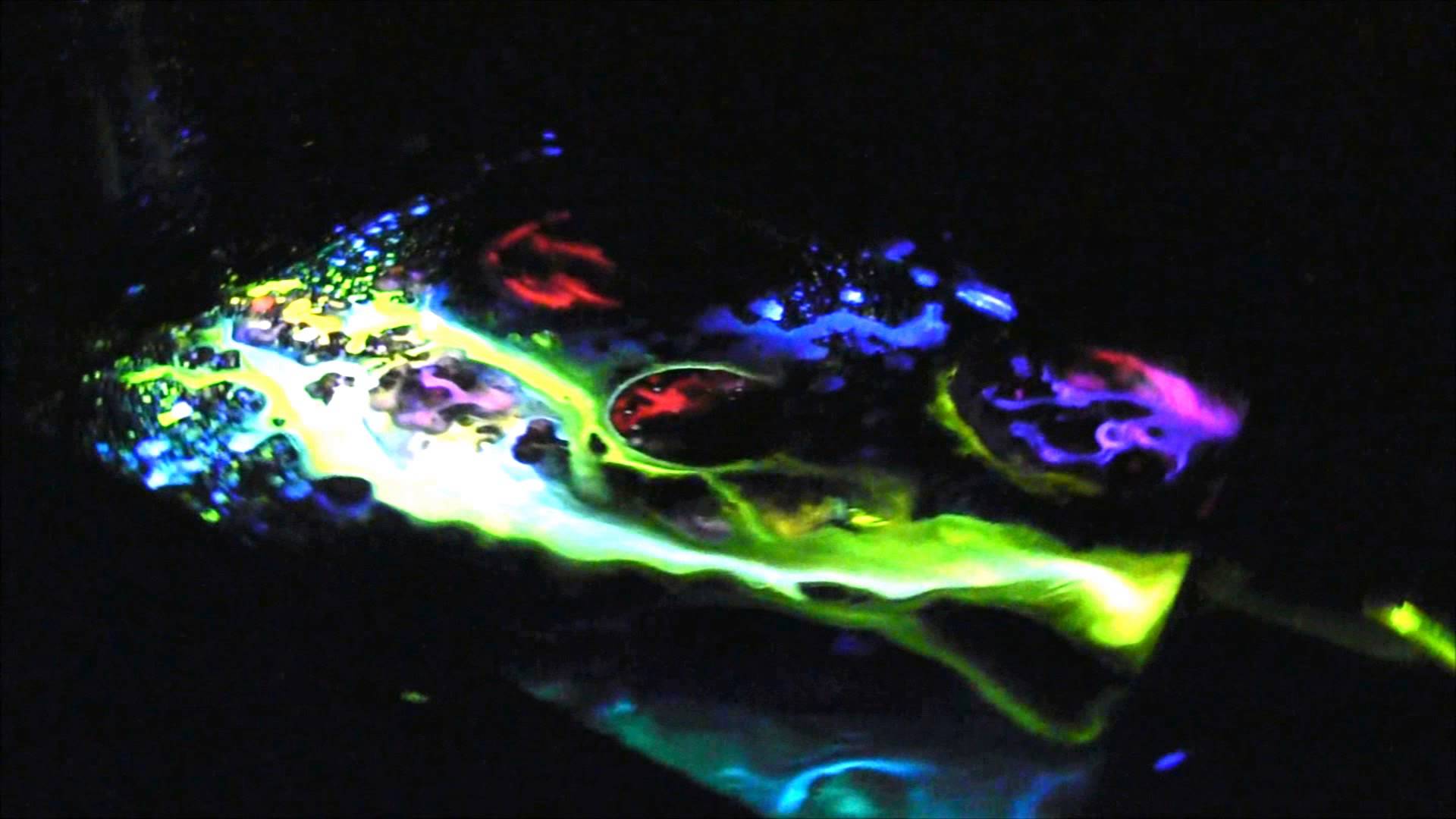
Glow-in-the-dark painting is a mesmerizing and whimsical art form that captivates the imagination and ignites a sense of wonder in both artists and observers alike. As if pulled from the pages of a fantastical storybook, these vibrant luminescent artworks seem to defy the mundane constraints of daylight, transforming ordinary spaces into ethereal realms after the sun has set. The allure of glow-in-the-dark painting lies not just in its aesthetic appeal but also in the deeper psychological and sociocultural themes that it encapsulates. This article explores the mechanics of glow-in-the-dark paint, its artistic applications, and the underlying reasons for its widespread fascination among artists and art lovers.
The Science Behind the Glow
At the core of glow-in-the-dark painting is a fascinating scientific phenomenon known as phosphorescence. This process occurs when certain materials absorb photons and subsequently re-emit them over an extended duration. The luminescent pigments used in glow-in-the-dark paints typically include zinc sulfide or strontium aluminate, the latter being more effective, as it has a longer glow time and brighter hue. These materials are meticulously ground into fine particles and suspended in a binding medium to create paint that can be applied to various surfaces, including canvas, walls, and even textiles.
When illuminated by a light source, the pigments absorb energy. Once the light source is removed, these pigments gradually release the stored energy in the form of light. The allure of such phenomena invites the question: What compels individuals to be drawn to light in its hidden forms? The ephemeral nature of this glow invites contemplation on duality—the tension between presence and absence, visibility and invisibility.
Artistic Applications and Techniques
Glow-in-the-dark paint provides a vast canvas of possibilities for artists, allowing for creative experimentation across various mediums. Artists employ this paint in diverse scenarios, from murals and canvas artwork to intricate installations and costumes. One captivating approach to integrate glow-in-the-dark paint is through layering techniques. By applying multiple layers of contrasting colors and textures, artists can create compelling visual depth that both glows in the dark and captivates by day.
Furthermore, the incorporation of glow-in-the-dark elements into public art projects can transform community spaces. Murals infused with luminescent paints can provide a sense of vibrancy and engagement at night, prompting wonder and conversation among passersby. In festivals or exhibitions, interactive installations utilizing this paint can invite viewers to participate, blurring the line between creator and spectator and stimulating a collective experience of shared astonishment.
Alleviating Darkness: A Psychological Exploration
Why do we feel compelled to create and revel in art that glows when the lights fade? The fascination with glow-in-the-dark painting might reflect deeper psychological tendencies. Darkness often embodies fear, anxiety, and uncertainty; conversely, light signifies clarity, hope, and safety. The interplay between light and dark in glow-in-the-dark art resonates with our collective yearning for control over our environments. This art form helps us reclaim the obscurity of night, alleviating our innate trepidation of the dark by transforming it into an enchanting spectacle that invites exploration.
Additionally, glow-in-the-dark art can evoke nostalgia, reminiscent of childhood experiences filled with whimsy and adventure. These artworks can transport viewers back to a time when imagination knew no bounds, awakening the childlike wonder that resides within. This restoration of innocence through art plays a crucial role in our psychological wellbeing, enabling us to connect with primal aspects of our existence.
Sociocultural Significance
Beyond individual psychological ramifications, glow-in-the-dark painting carries sociocultural significance as well. Reflecting contemporary themes such as environmental awareness and the interplay between nature and technology, artists may utilize glow-in-the-dark materials to provoke discourse on urgent global issues. For example, artworks that depict endangered species—with luminescent features representing their declining numbers—can powerfully underscore the fragility of our ecosystems. Such poignant messages resonate deeply within audiences, forging connections between art and activism.
Moreover, the inherent visual appeal of glow-in-the-dark artworks makes them an excellent medium for cultural storytelling. Through the use of symbolism, artists can illuminate narratives that address historical injustices, mythologies, and shared cultural identities. This rich tapestry of meaning elevates glow-in-the-dark art from mere decoration to a vehicle for profound expression and communication.
The Future of Glow-In-The-Dark Painting
As technology continues to evolve, the potential for glow-in-the-dark painting expands exponentially. New advancements in pigment formulation and ecological considerations—such as the development of non-toxic, sustainable paints—will pave the way for broader applications in both fine art and commercial design. The integration of augmented reality and interactive technologies alongside traditional painting can further enhance viewer experience, creating multi-dimensional interactions that envelop the observer in a cocoon of light and creativity.
In conclusion, glow-in-the-dark painting is not merely an aesthetic endeavor but a rich interplay of science, psychology, and sociocultural commentary. Through the artful manipulation of light and darkness, artists tap into the human experience, transforming our perceptions and eliciting profound wonderment. As this enchanting art form continues to evolve, it beckons us to explore the luminous realms within ourselves and the world around us, inviting us to bask in its glow.










Leave a Comment