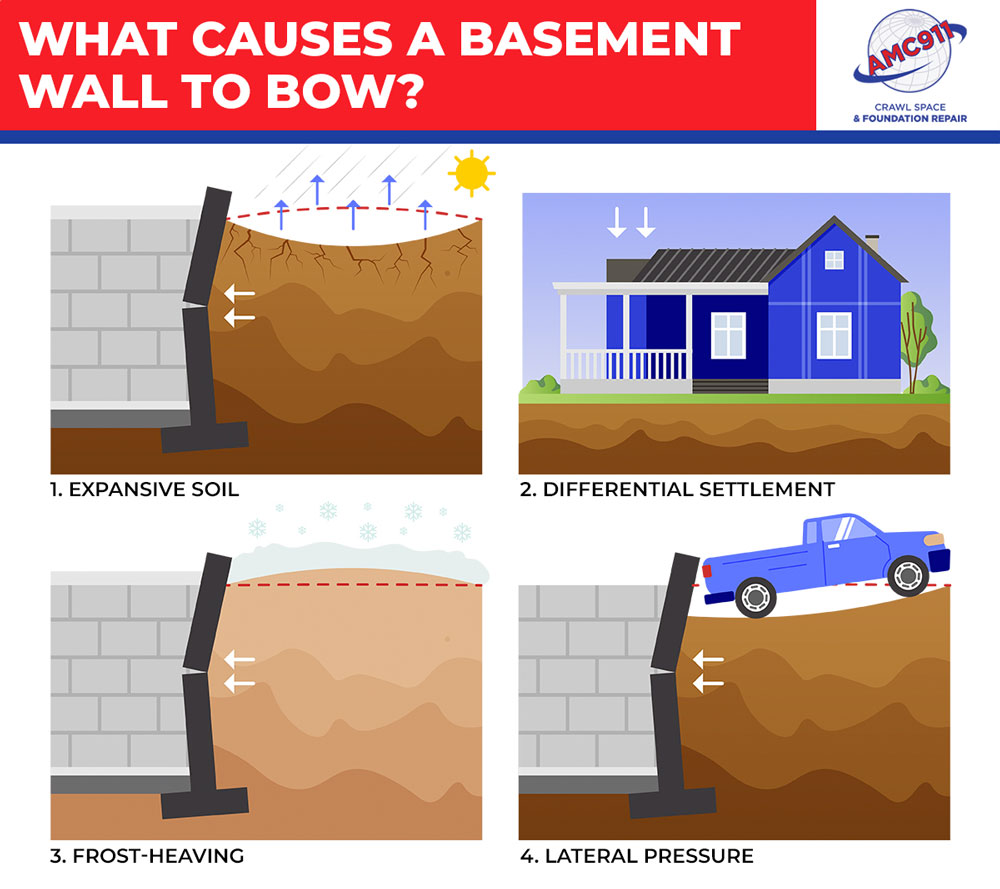
When it comes to home maintenance, few aspects evoke as much intrigue and concern as the structural integrity of a basement. The phenomenon of bowing basement walls often serves as a red flag for homeowners. An unusual visual cue, bowing walls indicate underlying issues that can threaten the very foundation of a home. The costs associated with repairing these walls can vary significantly, influenced by multiple factors. Understanding these influences can provide homeowners with valuable insights and peace of mind.
Before delving into the complexities of repair costs, it is vital to comprehend the underlying causes of basement wall bowing. Typically, this alarming condition arises due to hydrostatic pressure from accumulated water surrounding the foundation. This pressure can distort the walls, creating an unpleasant façade of instability. Additionally, poorly designed drainage systems, expansive soil, and even tree roots exerting undue pressure can exacerbate the situation. Such complexities are often overlooked until they manifest as a tangible issue, thereby piquing homeowners’ fascination with this matter.
Now, let us explore the various dimensions of bowing basement wall repair costs. A comprehensive understanding may assist homeowners in making informed decisions.
1. Initial Assessment Costs
The first step in addressing bowing basement walls is to solicit professional assessment. Experts typically charge between $200 and $500 for this initial evaluation. During this assessment, professionals will ascertain the severity of the bowing, identify any additional structural concerns, and recommend the appropriate remediation strategies. Such assessments are essential; ignoring a bowing wall can potentially lead to even steeper costs down the line.
2. Repair Techniques
When it comes to actual repair, various techniques can be employed, each carrying a distinct price tag. Common methods include:
- Wall Bracing: A popular method for stabilizing bowing walls, wall bracing involves installing steel supports that are anchored to the floor and ceiling. This can range from $500 to $3,000 depending on the dimensions and number of walls affected.
- Carbon Fiber Strips: A modern solution gaining traction, carbon fiber strips offer a less invasive means to reinforce walls. Costs for materials and installation can vary from $1,500 to $5,000, contingent upon wall size and accessibility.
- Wall Replacement: In extreme cases where bowing is severe, complete wall replacement may be necessary. This drastic measure can range from $4,000 to $15,000 and often requires significant excavation.
3. Drainage Improvement
Repairing bowing walls inherently raises considerations for improved drainage systems. A faulty drainage setup is frequently responsible for water accumulation and pressure. The implementation of a proper drainage solution may include installing interior sump pumps or exterior French drains. Costs for such enhancements can aggregate between $2,000 and $10,000, significantly depending on the extent of the required work and the specifics of the property’s landscape.
4. Permitting and Codes
Permitting adds yet another layer of cost. Throughout the repair process, adhering to local building codes is paramount. Homeowners might incur additional expenses from obtaining necessary permits, which can range from $100 to $500. Understanding these regulations is crucial in avoiding legal complications and ensuring the durability of any repairs executed.
5. Geographic Variability
An often-overlooked factor is the geographic variability in repair costs. Regional differences can influence both labor and material costs. Urban areas, for instance, may exhibit higher rates due to increased demand for contractors, while rural zones might offer more economical options. Therefore, homeowners must research local averages to glean a clearer understanding of what to expect financially.
6. Additional Considerations
Beyond the direct costs related to the repairs, several additional factors may influence the overall budget:
- Insurance: Homeowners should review their insurance policies to determine if they cover basement wall repairs. Some policies may alleviate costs, depending on the nature of the damage.
- DIY vs. Professional Work: While some homeowners may consider undertaking repairs themselves to save money, it is often advisable to enlist professional help, particularly for intricate issues. Mistakes can lead to exacerbated problems that ultimately increase costs.
Conclusion
In sum, navigating the terrain of bowing basement wall repair costs involves a multifaceted approach. From the initial assessment through to the choice of repair techniques and regional cost variations, the intricacies are substantial. While this topic may harbor an element of concern, understanding the various factors at play transforms it into an opportunity for proactive intervention. By addressing bowing walls promptly and effectively, homeowners not only safeguard their property but also gain an insightful appreciation for the engineering intricacies of their abode. Taking informed action can mitigate financial stress while preserving the foundational sanctity of one’s home.








Leave a Comment