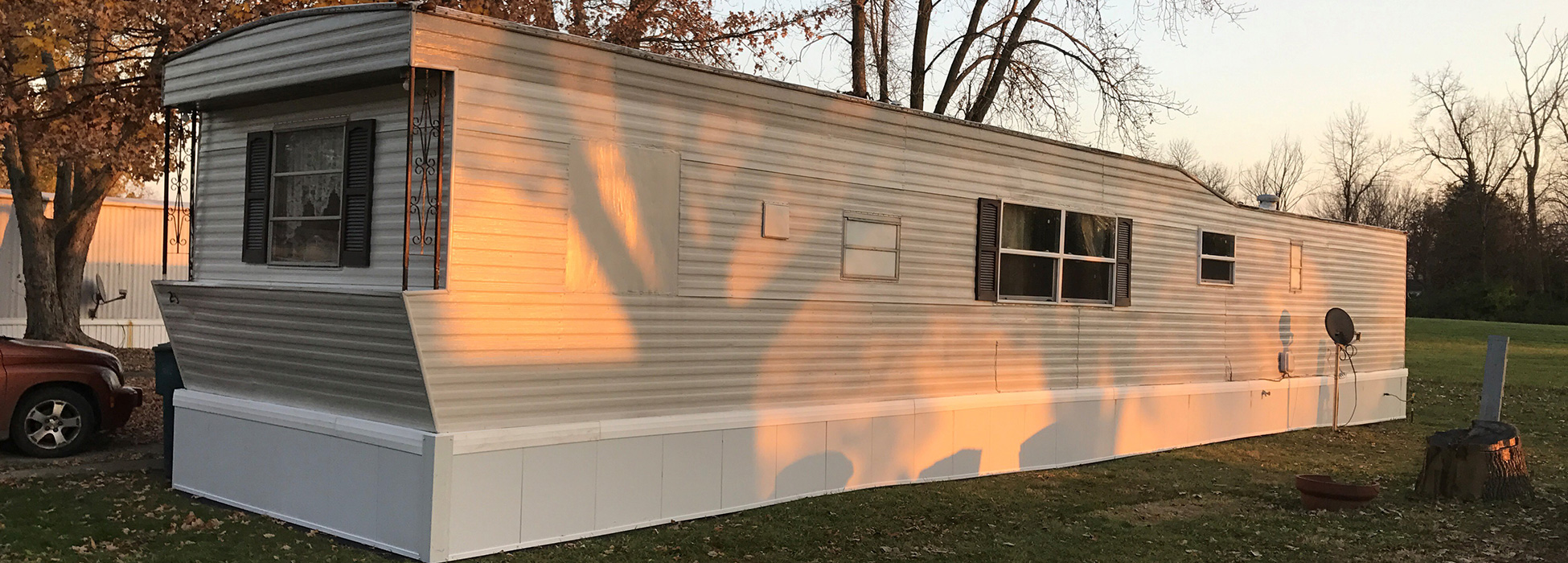
When it comes to mobile homes, a frequently overlooked yet vital component often garners a wealth of interest: insulated mobile home skirting. This essential feature serves not only functional purposes but also whispers of deeper architectural significance and aesthetic appeal. In this exploration, we will delve into the myriad benefits, materials, DIY options, potential pitfalls, and tips to ensure your mobile home skirting is both practical and visually appealing.
1. Understanding the Basics: What is Mobile Home Skirting?
Mobile home skirting, the protective enclosure that surrounds the base of a mobile or manufactured home, often comprises materials that enhance insulation, improve aesthetics, and serve as barriers against pests. This understated yet critical aspect of mobile home construction plays a pivotal role in controlling the home’s climate and safeguarding its structural integrity.
2. The Importance of Insulation
Insulated mobile home skirting acts as a thermal barrier, providing essential protection against fluctuating temperatures. Without this insulation, the underbelly of a mobile home can become susceptible to the elements. Cold winters can lead to freezing plumbing, while scorching summers may cause unbearable heat accumulation within the structure.
Furthermore, homes with insulated skirting can experience drastic reductions in energy costs. The enveloping layer acts to trap heat in the winter and maintain cooler air during summer months, creating an environment that is not only comfortable but also economical.
3. Materials Matter: Your Options for Skirting
The materials used in mobile home skirting range from vinyl and metal to wood and brick, each offering a unique set of advantages and disadvantages. Insulated options often integrate foam or other insulating materials to enhance efficiency.
- Vinyl: Lightweight and available in multiple colors, vinyl skirting offers flexibility and ease of installation. Generally, it is cost-effective but might not provide the highest insulation value compared to other materials.
- Metal: Metal skirting, often galvanized or aluminum, presents a sturdy option that resists rot and insect damage. This type, while durable, may require special considerations for insulation if too thin.
- Wood: Though aesthetically pleasing, wood requires more maintenance and is susceptible to decay without proper sealing. Insulated wooden skirting can be effective, but it needs regular care to ensure longevity.
- Brick or Block: For those seeking permanence and strength, brick or cinder block skirting can provide superior insulation properties. However, installation is labor-intensive and costly.
4. DIY Skirting Installation: A Step-by-Step Guide
Engaging in a DIY skirting project can not only save money but also provide a sense of accomplishment. Follow these steps for an effective installation:
- Measure the Perimeter: Begin by accurately determining the dimensions of your mobile home to ensure you purchase the correct amount of skirting material.
- Choose the Material: Select the skirting material that best suits your climate, aesthetic preferences, and budget.
- Prepare the Area: Clear the area surrounding your mobile home of any debris or obstructions that could interfere with the skirting installation.
- Install Ventilation: Ensure proper ventilation by including access doors or vents in your skirting design to allow for airflow and pest control.
- Begin Installation: Starting at one end, attach the skirting materials methodically, ensuring they fit snugly against the home’s foundation. Secure with brackets as necessary.
- Finishing Touches: Finally, inspect the installation for gaps or potential weak points, making adjustments before sealing any exposed edges.
5. Common Pitfalls: Pitfalls to Avoid
While the idea of DIY skirting installation can be enticing, there are common missteps to be aware of. One of the most prevalent issues is inadequate insulation. Failing to select an appropriate insulating material can undermine the skirting’s effectiveness. Additionally, neglecting ventilation can create an environment conducive to mold and pests, leading to costly repairs down the line.
6. The Aesthetic Dimension
Beyond functionality, insulated mobile home skirting presents intriguing aesthetic possibilities. With various colors, textures, and styles available, homeowners can achieve a customized look that complements their mobile home’s architecture. Engaging in creative design elements, such as decorative latticework or planters, can elevate the visual appeal, making the home not just a shelter but a beautiful space to inhabit.
7. Maintenance and Care
To prolong the lifespan of your skirting, routine maintenance is essential. Inspect the skirting for signs of damage, particularly after severe weather events. Periodically cleaning off dirt and debris will also help maintain its aesthetic charm. If made of wood, ensure surfaces are properly sealed to fend off moisture and seasonal wear.
Conclusion: More Than Just Protection
Insulated mobile home skirting is vastly more than a mere protective barrier; it is a critical element that ensures a comfortable living environment while expressing personal style. By understanding the materials available, the importance of insulation, and the nuances of installation and maintenance, homeowners can elevate their mobile living experience. Whether embarking on a DIY endeavor or seeking professional assistance, investing in high-quality skirting will yield lasting benefits for years to come.





Leave a Comment