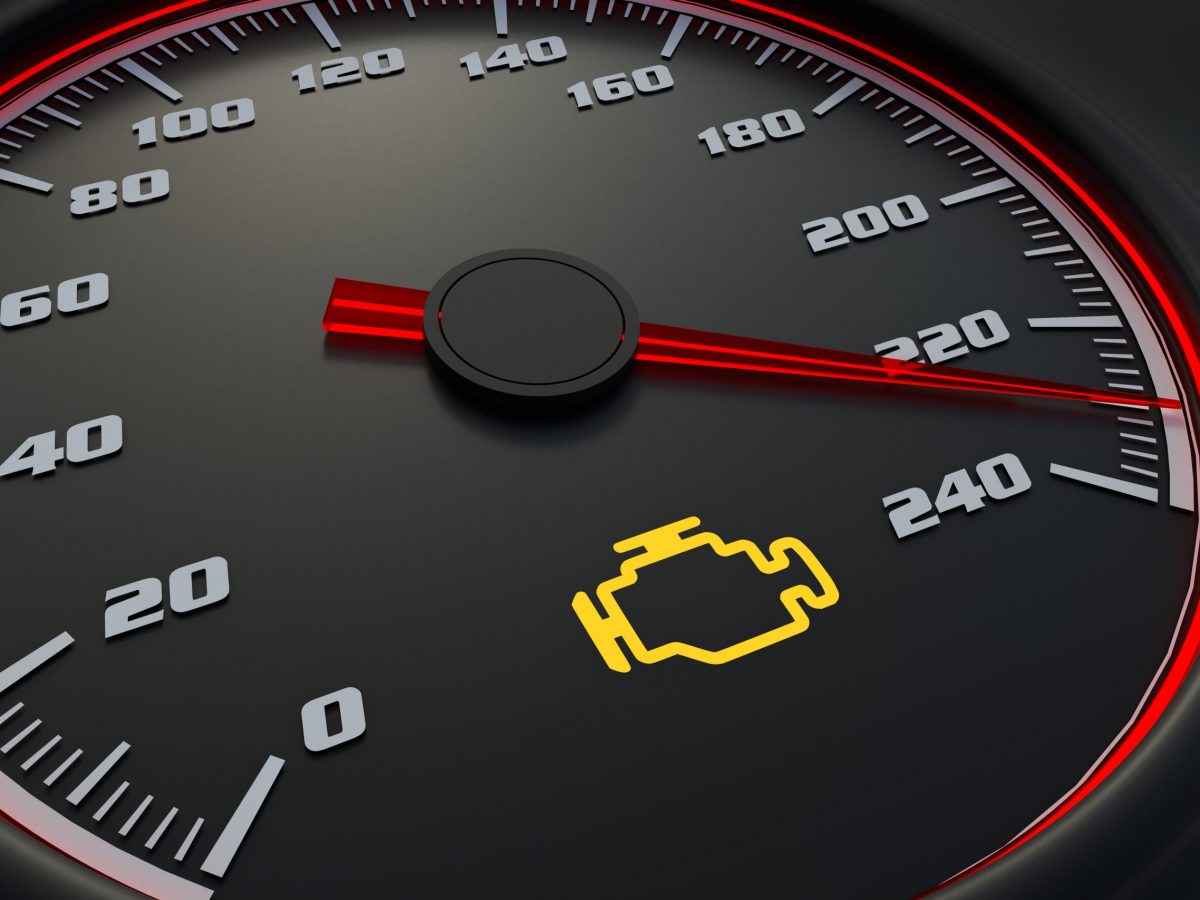
Throughout the automotive landscape, few indicators are as universally recognized—and often feared—as the check engine light. When it flickers to life on the dashboard of a Toyota Prius, a wave of questions and concerns floods the driver’s mind. What does it mean? Should I be worried? This illuminating guide endeavors to unravel the enigmatic nature of the Prius check engine light, providing clarity and actionable steps.
Understanding the Check Engine Light
The check engine light is part of the On-Board Diagnostics II (OBD-II) system, a standard integrated into vehicles since the late 1990s. For Prius owners, this light serves as the primary alert system for myriad potential issues ranging from minor to critical. While some problems may be trivial, such as a loose gas cap, others may signal more pressing mechanical failures or emissions issues.
The Color Spectrum
The check engine light can manifest in different forms, generally categorized into two colors: yellow and red. A yellow or amber light typically signifies a non-emergency condition that warrants investigation soon. On the other hand, a red light often signals an urgent concern that necessitates immediate attention. Understanding the color coding can shift one’s perspective from anxiety to informed decision-making.
Causes for the Check Engine Light Activation
When the check engine light illuminates, it could be due to a diverse array of issues. The complexity of a Prius, particularly hybrid models, adds layers to this discussion.
- Emissions Controls: One of the most common causes is a malfunction in the emissions control system. This could range from a faulty catalytic converter to issues with the oxygen sensors. Given the Prius’s emphasis on fuel efficiency, these components are intricately designed to reduce emissions.
- Fuel System: A compromised fuel system—including problems with the fuel injectors or fuel pressure—can also trigger the light. An ethereal dance between fuel flow and engine performance must be harmonized for optimal operation.
- Ignition System: Malfunctions in the ignition coil or spark plugs might also activate the light. Encounters with irregular engine performance often lead one to examine these components.
- Battery and Hybrid System: Prius owners are well aware of the unique battery system that powers hybrid vehicles. A failing hybrid battery or an issue with the electric motor could also illuminate the check engine light, presenting a unique challenge to drivers who embrace sustainable technology.
- Loose or Damaged Gas Cap: One of the simplest culprits is a loose or damaged gas cap. It may seem trivial, but this small component plays a vital role in the fuel system’s integrity—ensuring vapors don’t escape and emissions remain controlled.
The Importance of Diagnostic Codes
When the check engine light activates, a vehicle’s onboard computer generates diagnostic trouble codes (DTCs). These alphanumeric codes are treasure maps for mechanics, leading them directly to the source of the problem. Owners can retrieve these codes through an OBD-II scanner, often available at automotive retailers, or by consulting a professional. Embracing this technology can significantly enhance understanding and facilitate more informed decisions.
Ignoring the Warning: A Risky Gamble
Tempting as it might be to dismiss the check engine light, doing so could lead to dire consequences. Ignoring the warning could culminate in larger mechanical issues, reduced fuel efficiency, or even engine failure. It is a classic case of “a stitch in time saves nine,” where early intervention can mitigate costly repairs down the line.
Next Steps: What to Do When the Light Flashes
Upon observing that dreaded illuminating sign, follow these sequential steps to alleviate potential stress:
- Check the Gas Cap: First things first—ensure that the gas cap is secure. An easy fix may prevent future headaches.
- Consult Diagnostic Tools: Employ an OBD-II scanner to retrieve the DTCs. Familiarize yourself with the codes and their meanings, as this knowledge will empower you in discussions with mechanics.
- Assess Driving Behavior: Note any unusual symptoms while driving. Is the engine stuttering? Is there a decrease in power? Jotting these details down can significantly aid mechanics in diagnosing the issue.
- Visit a Professional: Schedule an appointment with a certified mechanic experienced with hybrids, preferentially one who understands the intricacies of a Prius. Present the diagnostic codes and any observations noted during your driving experience.
Preventative Measures
To cultivate a proactive stance regarding the check engine light, consider implementing these maintenance tips:
- Regular Maintenance: Adhere to the manufacturer’s service schedule. Routine responsibilities such as oil changes, air filter replacements, and inspection of belts can thwart potential issues.
- Monitor Performance: Cultivating an awareness of how your Prius typically performs will sharpen your ability to notice subtle changes or abnormalities.
- Educate Yourself: Knowledge is power. Familiarize yourself with the workings of your vehicle to foster confidence and preparedness at the first sign of trouble.
In Conclusion
The check engine light on a Prius, often regarded with trepidation, can instead be seen as a helpful companion, guiding you through the intricate dance of vehicle maintenance. By arming yourself with knowledge and proactive measures, the fear associated with this warning can dissipate, transforming it into an opportunity for understanding and engagement. After all, the journey with your Prius is not merely about reaching your destination but also about deepening your connection with the marvel of modern automotive engineering.






Leave a Comment