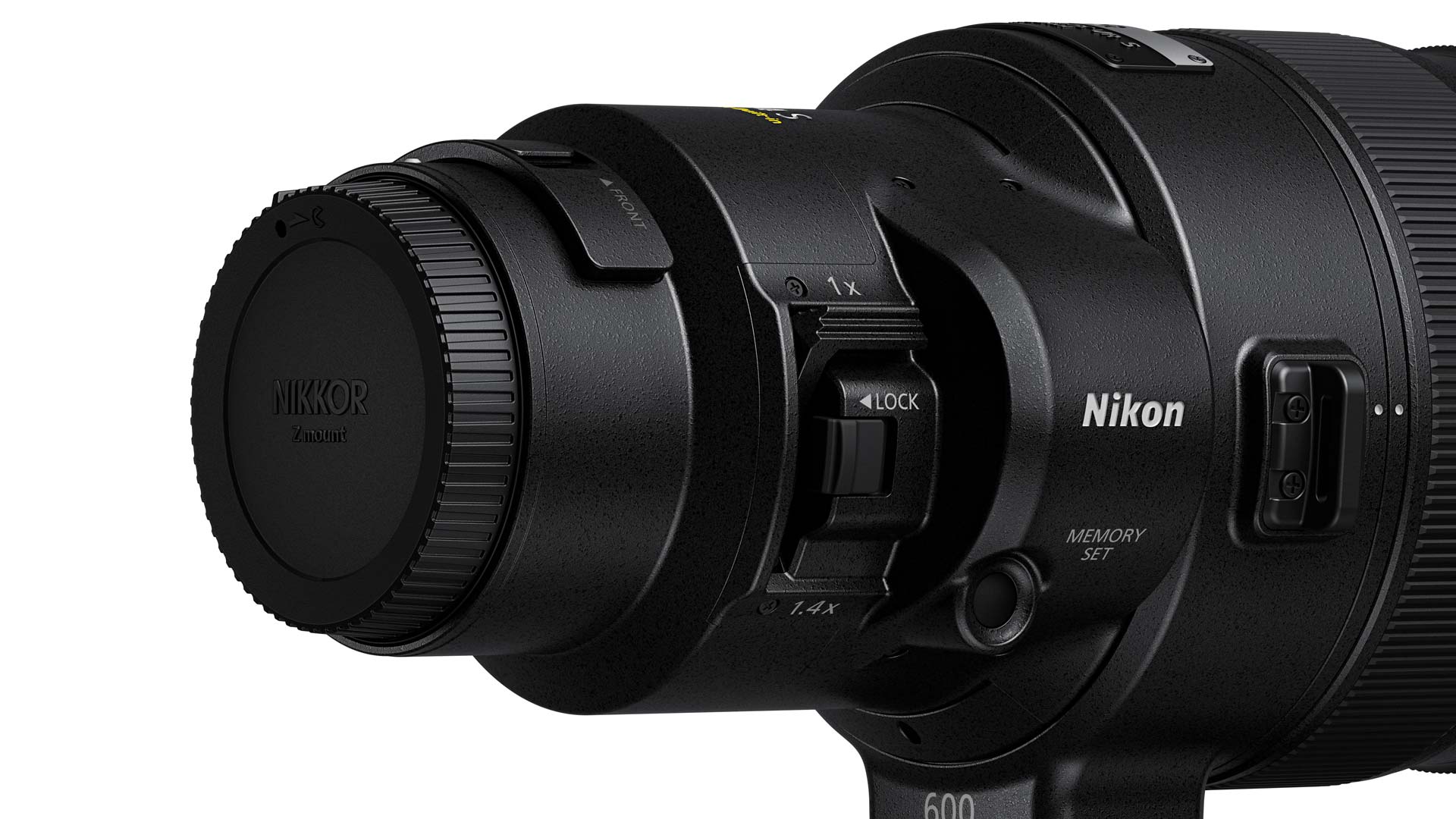
When it comes to wildlife photography, few pieces of equipment inspire awe quite like the Nikon 600mm f/4 lens, especially paired with a teleconverter (TC). This formidable combination offers a powerful opportunity to capture distant subjects with captivating detail. However, despite its promise, photographers often encounter focus issues that can be frustrating. In this article, we will explore the intricacies of the Nikon 600mm f/4 TC, investigate common focus problems, and provide insights into potential solutions, allowing photographers to unleash the full potential of their gear.
Understanding the Beast: Nikon 600mm f/4 TC Overview
The Nikon 600mm f/4 lens is a behemoth in the realm of telephoto optics, celebrated for its exceptional sharpness, rapid autofocus, and stunning bokeh. When paired with a teleconverter, it can effectively double the focal length, rendering subjects at 1200mm. This impressive range opens new doors for photographers, yet with such power comes challenges. The lens is designed for professionals, and mastering its subtleties requires dedication and understanding.
Common Focus Challenges Encountered
Despite its high-caliber engineering, the Nikon 600mm f/4 TC is not without its focus troubles. Photographers may find themselves grappling with several recurring issues when shooting:
- Hunting Focus: One of the most lamented focus challenges, “hunting” occurs when the lens struggles to lock onto a subject. This can result from low light conditions, busy backgrounds, or erratic subject movement, causing the autofocus system to search in vain.
- Inconsistent AF Performance: In some instances, autofocus may not accurately track moving subjects, leading to soft focus even in well-lit environments. This inconsistency can be particularly vexing when photographing fast-moving wildlife.
- Back or Front Focusing: Problems with calibration can lead to the lens focusing slightly in front or behind the designated subject. This issue, often termed “focus shift,” can be especially pronounced when utilizing a teleconverter.
- Low Light Limitations: The combination of f/4 aperture and TC can strain the autofocus system in dimly lit situations, as the effective aperture widens beyond what the camera can comfortably handle.
Causes Behind Focus Woes
Understanding the root causes of these focus challenges can shed light on how to mitigate them:
- Environmental Factors: Conditions such as haze, fog, or heat distortion can distort light, leading to focus challenges. Photographers must remain aware of environmental influences that may affect visibility.
- Subject Movement: Wildlife, by its nature, is unpredictable. Fast-moving subjects can exceed the autofocus system’s ability to track, particularly when combined with extended focal lengths.
- Equipment Compatibility: While the Nikon TC14E III and TC20E III teleconverters provide impressive focal length augmentation, they also reduce the amount of light hitting the autofocus sensor, complicating focus operations.
- Focus Mode Settings: The emphasis on continuous autofocus (AF-C) versus single autofocus (AF-S) can make a marked difference, especially in dynamic shooting situations.
Strategies for Enhanced Focusing
Confronting focus issues is not without hope. Photographers can adopt several strategies to optimize the performance of their Nikon 600mm f/4 TC:
- Mastering Focus Settings: Familiarize yourself with the camera’s focus modes and customize them according to your subject’s motion. Utilizing 3D tracking can help significantly in dynamic scenarios.
- Optimizing Lighting Conditions: If possible, shoot during the golden hours when natural light is abundant. When using a teleconverter, begin with the brightest lens setting or utilize effective iSO settings to facilitate stable autofocus performance.
- Practice Fine Calibration: Conduct tests to fine-tune the autofocus system of your camera and lens. Nikon’s AF Fine-Tune feature can help align focus accuracy, ensuring that your lens consistently hits the mark.
- Employ Optical Image Stabilization: Activate the vibration reduction (VR) feature to counteract minor shakes, especially crucial at longer focal lengths.
The Role of Patience and Practice
Photography is as much an art as it is a science, requiring time and dedication to master. Embrace the learning curve. Spend time experimenting with different settings, locations, and subjects. Constructive practice will gradually enhance understanding, allowing for smoother navigation of focus-related challenges.
Conclusion
While the Nikon 600mm f/4 TC presents an exceptional platform for wildlife photography, it is not immune to focus struggles. By cultivating an awareness of potential issues and implementing strategic approaches, photographers can transcend obstacles to capture breathtaking imagery with clarity and precision. As you embark on your photographic journey with this remarkable lens, remember that patience, practice, and dogged curiosity will be your allies in unveiling the beauty of nature one click at a time.







Leave a Comment