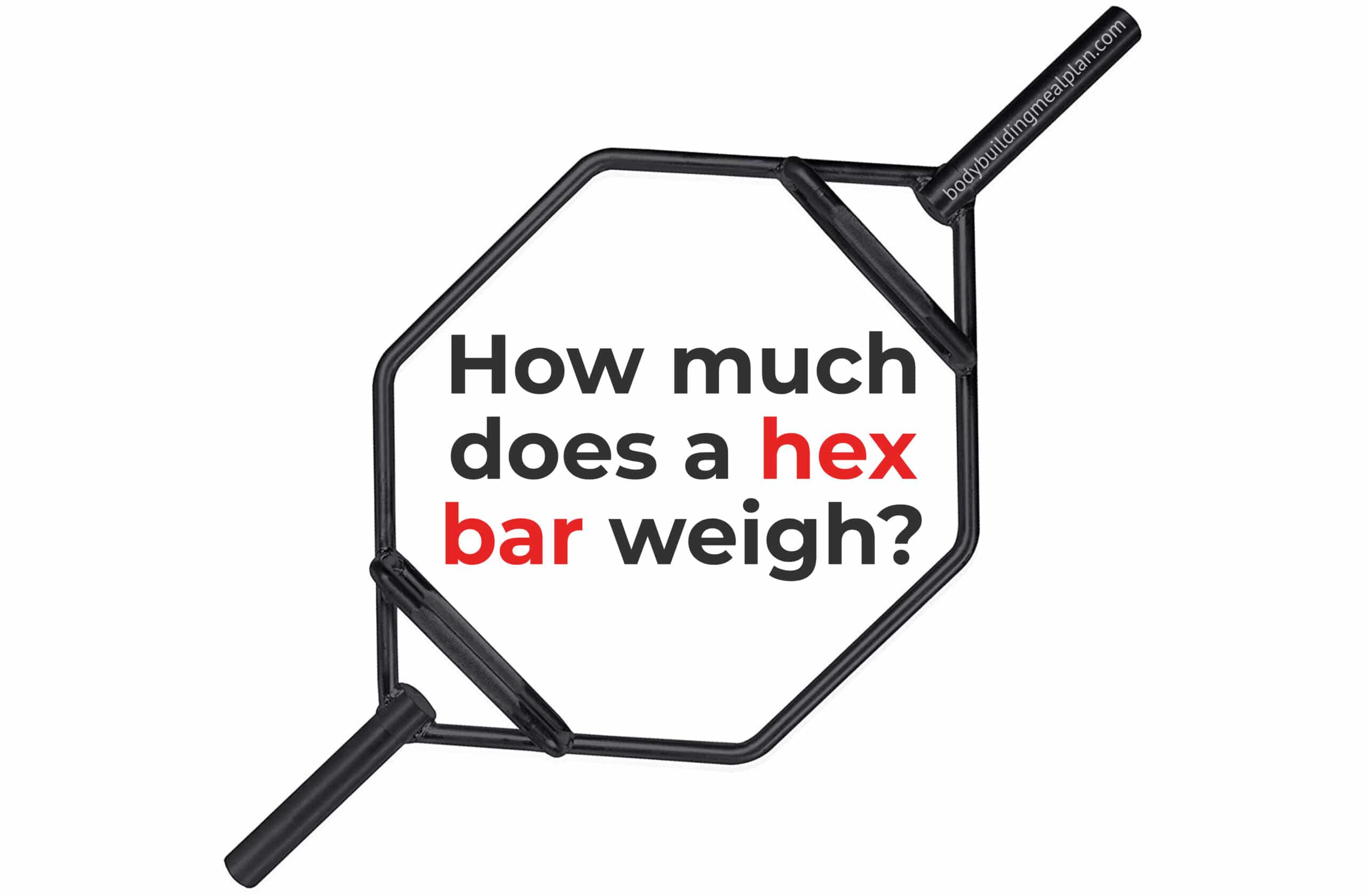
When it comes to strength training, the hex bar, also known as a trap bar, has carved out a unique niche in the pantheon of weightlifting equipment. This versatile apparatus has increasingly garnered the attention of fitness enthusiasts across the spectrum of experience. But a fundamental question often arises: how much does a hex bar weigh? Understanding the weight of this device can significantly impact your lifting strategy, injury prevention, and progress tracking. Let’s unravel the enigma of hex bar weights.
First and foremost, the standard hex bar typically weighs 45 pounds (20.4 kg), similar to a conventional Olympic barbell. However, not all hex bars are created equal; different manufacturers produce variants that can diverge in weight design. Thus, comprehending local variations will provide deeper insights for fitness aficionados.
But why the fascination with the weight of a hex bar? Is it merely a trivial detail? Not at all! The weight of the barbell directly correlates to the efficiency of your training regimen. Coupled with the fact that the design of a hex bar enables you to assume a more natural lifting posture, engaging different muscle groups, understanding and mastering this tool can yield significant results.
To evaluate the weight implications further, let’s explore the various types of hex bars available on the market. Generally, there are two categories: the standard hex bar and the Olympic hex bar. While the standard variant typically retains that 45-pound mark, Olympic hex bars can weigh more due to additional material and design features intended to enhance stability and resilience during heavy lifts.
Structural geometry plays a critical role in how the weight distributed across a hex bar affects your lifting. The six-sided, open-ended design facilitates a more central grip. This configuration reduces the strain on your lower back, promoting a safer lifting form, particularly for deadlifts and shrugs. The biomechanics behind this transformation are fascinating—by allowing for a more upright torso during lifts, the hex bar shifts the muscle engagement pattern. Therefore, not only does the weight matter, but how that weight engages various muscle groups does, too.
Moreover, certain hex bars are engineered with adjustable weight features. This means they allow you the versatility to add or remove weight plates, adapting to your unique training goals. These adjustable variants can range from 50 to 70 pounds when considering the full potential when plates are added. This level of customization makes them a prized possession in any gym, whether personal or commercial.
It’s worth mentioning that some individuals might ask about the practicality of employing hex bars compared to traditional bars. The answer resides in the ethereal realms of comfort and safety. With the lower center of gravity, intricate balance is significantly improved, leading to reduced risk of injury. This does not mean that traditional bars should be dismissed but, rather, highlights the distinct yet complementary nature of the hex bar apparatus.
Now, consider the implications of the weight on performance progression. Knowing the weight of your hex bar can inform your lifting strategy. As your strength improves, you’ll want to systematically increase the resistance to continue progressing. If your hex bar weight is static or misunderstood, that could mean stagnation in your training, underscoring the importance of clarity.
For competitive athletes or serious enthusiasts, the functionality of a hex bar can be a game changer. Performance analysis shows that lifters often experience improved power output due to the mechanics of the hex bar’s design, allowing for without the usual burden associated with conventional straight bars. This insight into the weight distribution offers an invitation to maximize upper and lower body power cohesively.
In essence, understanding how much a hex bar weighs serves as a critical pivot point in your fitness journey. The right knowledge empowers you toward better training decisions, whether your goal is to build strength, enhance athletic performance, or improve overall body composition.
To summarize, the quintessential weight of a standard hex bar typically hovers around 45 pounds, yet the world of hex bar designs and variations invites a multitude of options. Variations tailored to individual needs offer versatile weight adjustments while enhancing the lifting experience. The nuanced grasp of taking advantage of the hex bar can seamlessly propel you into an exhilarating realm of strength training. For those who dare to delve deeper, the hex bar presents a promising shift in perspective on how one can approach lifting—ensuring you lift not just heavy, but intelligently.
Embrace the journey. Explore the contours of your strength, knowing that every lift, weight, and apparatus can contribute to the overarching masterpiece of your fitness tapestry.









Leave a Comment