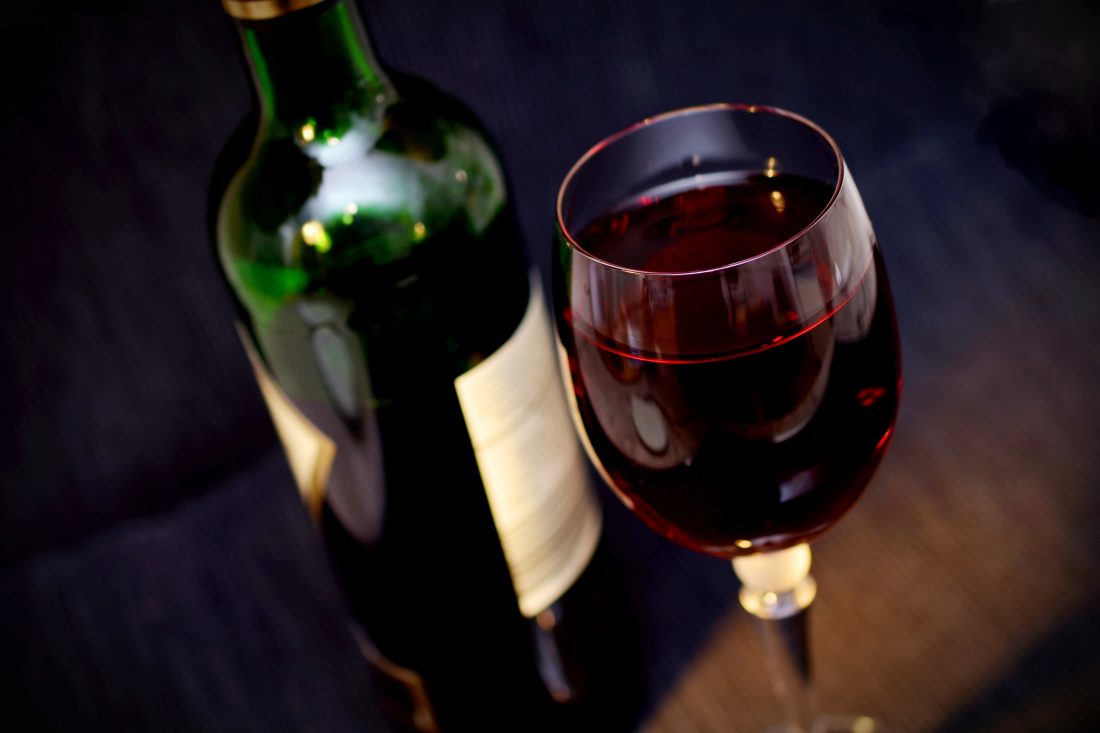
In a world brimming with complexities, few items convey the romance of conviviality and celebration quite like the emblematic “Wine Glass On The Bottle.” This vivid imagery encapsulates a myriad of meanings, serving as a metaphor for convivial gatherings, exquisite indulgence, and the art of savoring life’s simplest pleasures. Its unique appeal lies not merely in the juxtaposition of the glass and the bottle, but also in the symbolism that this pairing evokes—a union of earthy origins and elevated experiences. As we delve into this metaphor, we uncover the layers of meaning, allure, and cultural significance that come to life with every clink of glass.
Firstly, let us consider the wine bottle itself—a vessel of fermentation that encapsulates a harvest’s essence. Traditionally crafted from dark glass, its exterior hints at the potential wonders concealed within. Its lineage often boasts stories of windswept vineyards, kissed by sunlight and nurtured by attentive hands. Similarly, the wine glass emerges as its counterpart, a delicate instrument designed to enhance appreciation. Much like a symphony conductor, it curates the experience of the wine, allowing the bouquet to unfold and the flavors to resonate throughout the palate.
This interplay—wine glass upon bottle—represents the delightful dichotomy between production and consumption. Imagine the bottle, standing tall like a proud artisan, its contents a tapestry of aromas and flavors, while the glass acts as a portal, ushering the drinker into an intimate communion with the wine’s intricacies. This dynamic allure invites the notion that everything delightful is interdependent; every fine wine owes its character to the land from which it hails, and every jubilant gathering is made richer through shared experiences.
Engaging in this ritual can nearly transform the act of drinking into an art form. As the wine flows from the bottle into the glass, it creates a cascade, a small waterfall of ruby or golden hues splintering under the soft glow of candlelight. This transition is auspicious, symbolizing the migration of nature’s bounty into the realm of human experience. The very act of pouring the wine connotes hospitality, showcasing the generosity of spirit inherent in the host. This metaphorical gesture carries with it a myriad of implications—the embrace of friendships, the warmth of familial bonds, and the celebration of milestones.
Within social settings, the wine glass atop the bottle engenders a sense of intimacy—not merely between the wine lover and their drink but among diverse souls sharing the moment. Much like a shared melody that resonates through the halls of time, wine transcends boundaries. It provides a canvas upon which relationships can be painted, deepened, or even restored. Each sip fosters dialogue, storytelling, and laughter, rendering it an indispensable character in the narrative of human connection.
This is not to say that the metaphor lacks depth; rather, it encourages reflection on the essential aspects of our enjoyment. It evokes an awareness of when to savor and when to imbibe, instilling patience akin to that of a well-aged wine. An exemplary wine glass, cradled lightly within the hand, feels both familiar and prestigious, imparting gravitas to the occasion. The weight and transparency of the crystal seem to whisper promises of memorable experiences yet to unfold.
Moreover, the symbolism extends its reach into the realms of philosophy and culture. The wine glass on the bottle has become a visual trope—a symbol of sophistication, indulgence, and the ephemeral nature of moments shared. It beckons us to relish the present, encouraging attendees to forsake the clamor of their daily lives in favor of connection. In a society driven by speed, the act of lifting a glass makes a bold statement: to pause, to breathe, and to embrace the luxury of time spent together.
Another facet of this metaphor is the evolution it signifies. Much like the fermentation process of wine itself, life requires patience and understanding. Both experiences—one occluded within a bottle, the other framed in a glass—are an exploration of complexity and nuance. The flavors dance upon the tongue, just as ideas swirl in conversation; thus, both the wine and the gathering become catalysts for deeper meaning. Each glass of wine embodies a story of earth, toil, and transformation, much like our own life experiences that shape who we are.
As the gathering wanes and the night draws to a close, the wine glass rests on the now-empty bottle—its silhouette a momentary reminder of what has transpired. The remnants linger, a bouquet of reminiscences suspended in the air. What began as an occasion to partake in a beverage transcends to a night imbued with laughter, connection, and stories shared. This image endures, long after the last sip has been taken. Those who savor each moment entwined with the wine glass upon the bottle carry with them a greater understanding of the rite they engaged in—a reminder that life’s true richness comes from shared experiences and communal joy.
Ultimately, the wine glass perched atop the bottle encapsulates not just a beverage, but a philosophy. It beckons us to engage with life’s transient pleasures while simultaneously reflecting on the enduring relationships that enrich human existence. The union of these two elements serves as a poignant reminder that in every bottle, every pour, there lies potential for connection and joy—a metaphor for living life in vibrancy, one delightful cup at a time.







Leave a Comment