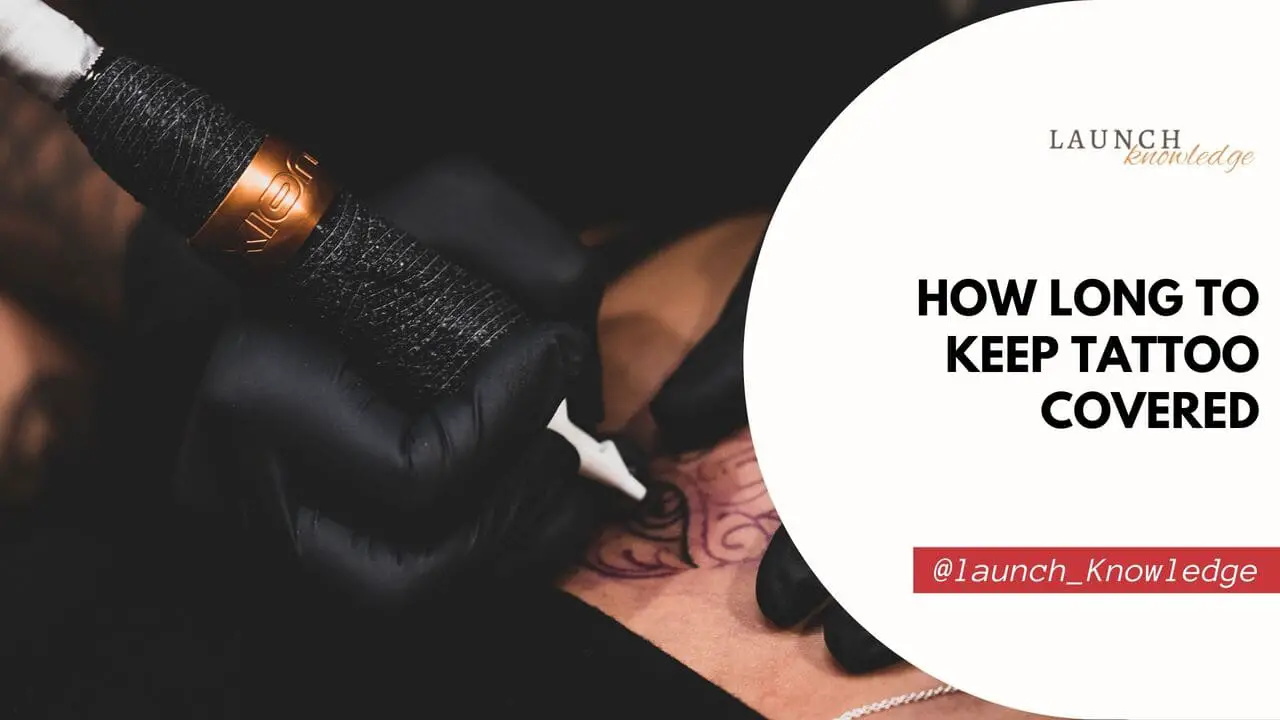
Tattoos are more than mere ink on skin; they encapsulate stories, memories, and artistry. However, the delicate process of aftercare involves a crucial decision: how long to keep that precious artwork under wraps, protected from the elements. Understanding the intricacies of tattoo healing is essential not only for preserving the vibrancy of your new tattoo but also for preventing possible infections or complications. This article delves into the guidelines surrounding the covering of a fresh tattoo, guiding you through a journey enriched with insights that can shift your perspective on tattoo aftercare.
1. The Immediate Aftermath: Keeping It Covered
Upon completion of your tattoo, your artist will typically apply a protective covering, such as plastic wrap or a specialized bandage. This serves multiple purposes: it shields the tattoo from external irritants, reduces the risk of infection, and helps in the healing process. Ideally, you should keep this initial covering on for at least 2 to 24 hours. The duration may vary depending on your artist’s specific recommendations and the type of tattoo you received. Intrigued by the varying timelines? It’s vital to balance the artist’s expertise with your unique skin type and lifestyle.
2. Transitioning to a Breathable Bandage
After the initial period, removing the covering isn’t the end of the story. Many artists advocate for transitioning to a breathable bandage or specialized tattoo aftercare film, which offers continued protection while allowing your skin to breathe. This phase can last anywhere from 3 to 14 days. It’s essential to monitor your tattoo for signs of healing or irritation, guiding your decision on when to change or remove the bandage. Can your tattoo survive without constant protection? You may be surprised to learn the resilience of your skin.
3. The Dance of Healing: Understanding the Process
Tattoo healing is not a monolithic process; it varies dramatically from person to person. While minor tattoos may heal more quickly, larger or intricate designs often require additional care. The healing timeline typically spans 2 to 3 weeks, but during this period, the tattoo may appear to go through various stages, including scabbing, peeling, and color changes. This evolution necessitates understanding your skin’s response to the application and removal of coverings. Do you find it unsettling when your tattoo begins to scab? Rest assured, it’s a natural part of the healing process.
4. Going Without a Covering: When Is It Safe?
Once comfortably past the initial healing phase, the question often shifts: when is it safe to let your tattoo bask in the open air? Generally, after about 10 to 14 days, most tattoos have formed a protective layer of healed skin. However, even after the visible signs of healing, care is paramount; sunscreen and protective clothing can provide essential safeguard against UV damage. Giving your tattoo exposure to the elements isn’t simply about aesthetic appeal; it’s about nurturing the skin beneath. Are you ready to let your tattoo shine?
5. Common Misconceptions: Debunking Myths
With the rising popularity of tattoos, misinformation abounds. One persistent myth suggests that tattoos should remain covered for weeks or even months. In reality, while initial coverage is vital, prolonged obscurity can hinder the healing process. An over-covered tattoo may lead to prolonged dampness or sweat build-up, inviting complications. If your tattoo feels itchy or uncomfortable beneath the bandage, that is a telltale sign it’s time for a change. Are you still uncertain about your aftercare routine?
6. Customized Care: Consider Your Environment
Another aspect deserving attention is the role of your environment in the length of time needed for protection. Those who work in dusty or dirty conditions may require a more prolonged period of coverage. Conversely, individuals with a less strenuous lifestyle might transition from covering more swiftly. Additionally, factors such as climate—humidity, heat, and exposure to water—play crucial roles in healing as well. Consider how your daily life can affect your tattoo’s wellbeing. Does the idea of adapting your care to your surroundings resonate with you?
7. Listening to Your Body: Signs You Need to Adjust
Perhaps the most critical lesson in tattoo aftercare is listening to your body. Every individual is unique, and your tattoo’s healing may showcase signs that necessitate a shift in your aftercare approach. Discomfort, excessive itching, or unusual discharge can indicate that something is amiss. Being attuned to these signals will empower you to make astute decisions regarding coverage time. Are you ready to embrace a more intuitive approach to aftercare?
Conclusion
In the tapestry of life, tattoos are indelible threads woven through our narratives. Understanding the importance of how long to keep your tattoo covered is integral not only to the preservation of its beauty but also to your overall health. By adhering to informed guidelines and being vigilant about your unique healing process, you can foster a relationship with your tattoo that celebrates its artistry and significance. As you embark on this journey of ink, remember: your tattoo is a tale not just of design but of healing and self-discovery. Are you prepared to navigate the delicate process of aftercare with newfound wisdom?







Leave a Comment