Owning a car comes with a plethora of responsibilities, from regular oil changes to ensuring the vehicle’s braking system functions optimally. One critical component often overlooked is the water pump. It serves as the lifeblood of your engine’s cooling system, maintaining the proper temperature by circulating coolant. Yet, many car owners remain oblivious to the intriguing complexities surrounding this seemingly mundane mechanical part until issues arise. Understanding how to fix a malfunctioning water pump not only empowers the car owner but also fosters a deeper appreciation for automotive mechanics. Below is a comprehensive guide on diagnosing and remedying water pump issues, complete with key insights that underscore the fascination with car mechanics.
1. Understanding the Role of the Water Pump
Before delving into the intricacies of repairs, it’s vital to grasp the water pump’s essential function. It draws engine coolant from the radiator and disperses it throughout the engine, ensuring that temperatures remain steady under various operating conditions. A seamless flow of coolant averts overheating—an event that could lead to catastrophic engine failures.
2. Recognizing the Signs of a Failing Water Pump
A discerning car owner should be vigilant for telltale signs of a faltering water pump:
- Overheating Engine: If the temperature gauge constantly spikes, it may indicate a coolant circulation issue, often rooted in a compromised water pump.
- Coolant Leaks: A pool of green, orange, or red fluid beneath your vehicle could signify a leak from the water pump.
- Noisy Operation: Unusual squeaking or grinding noises may point toward worn bearings or an aging impeller.
- White Exhaust Smoke: This troubling sign may suggest coolant is leaking into the engine, a critical scenario stemming from a failing water pump.
3. Preliminary Diagnostic Steps
Before embarking on a repair journey, perform these diagnostics to ascertain the water pump’s health:
- Visual Inspection: Open the hood and inspect for visible signs of wear, corrosion, or leaks around the pump. A cracked housing or frayed seals may be evident.
- Check Coolant Levels: Ensure that the reservoir holds sufficient coolant. Low levels could be symptomatic of a water pump issue.
- Listen Carefully: With the engine running, attune your ears to any unusual sounds emanating from the pump area.
4. Gathering Necessary Tools and Materials
Essentials for a successful do-it-yourself water pump replacement include:
- Socket Set: A comprehensive socket set will facilitate the removal and installation of bolts and nuts.
- Coolant: Fresh coolant will be necessary for refilling the system after the replacement.
- Gasket Sealer: This helps in ensuring a watertight seal during reassembly.
- Drain Pan: To catch any leaked coolant during the process, a drain pan is indispensable.
- Torque Wrench: To achieve the correct torque specifications for component fastening.
5. Step-by-Step Water Pump Replacement
With all tools assembled, the replacement process can commence:
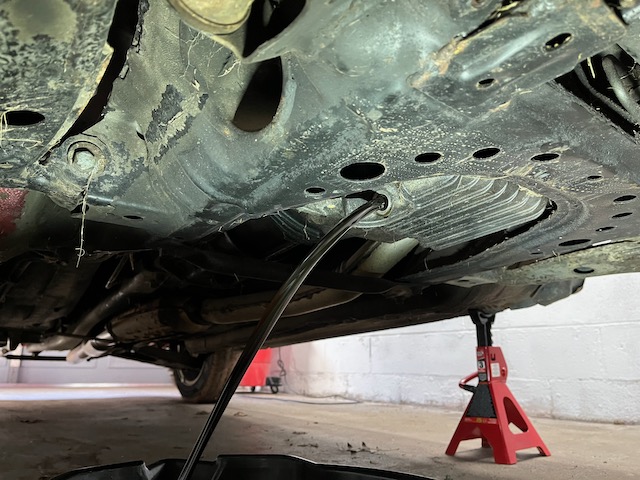
- Drain the Coolant: Utilizing the drain pan, remove the radiator cap and drain the coolant from the system. This eliminates residual coolant.
- Remove Components: Unfasten any belts or accessories obstructing the water pump. Maintain an organized system for screws and components using labeled containers.
- Detach the Old Pump: Unscrew the water pump from its fittings. Examine the gasket for wear, ensuring all remnants are cleared from the engine’s surface.
- Install the New Pump: Position the new water pump and apply gasket sealer to ensure a watertight connection. Torque the bolts to manufacturer specifications for optimal security.
- Reconnect Accessories: Replace any belts or components initially removed, ensuring everything aligns correctly.
- Refill Coolant: Bring in fresh coolant, ensuring that the system is filled to the appropriate levels. Check for any leaks post-refill.
- Test the System: Start the engine and observe the temperature gauge, listen for unusual noises, and check for leaks.
6. Maintenance Best Practices
Now that the water pump is replaced, maintaining it ensures longevity. Regularly check coolant levels, conduct visual inspections, and replace the coolant at manufacturer-recommended intervals. These practices not only prolong the water pump’s lifespan but also enhance the overall health of your vehicle.
Conclusion
Fixing a water pump may initially seem daunting, yet it’s an entirely manageable task with the right knowledge and tools. Beyond the mechanical aspects lies a profound respect for the intricate dance of components that keep a car running smoothly. Each repair provides an opportunity to delve deeper into automotive science, fostering a connective thread between man, machine, and an understanding of the forces at play. By developing these skills, car owners can cultivate an enduring appreciation for the artistry and complexity of automotive engineering, transforming routine maintenance into a rewarding experience.









Leave a Comment