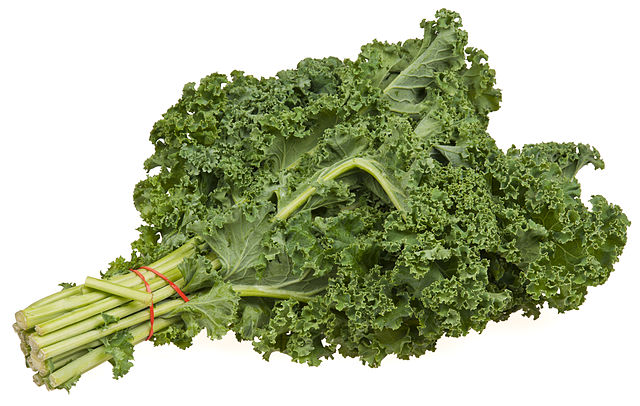
When it comes to the culinary preferences of our furry companions, the question, “Can rabbits eat kale?” resonates with many pet owners. Thus, understanding the dietary needs of rabbits is essential for promoting their health and well-being, while also satisfying our sense of responsibility as caretakers. This guide meticulously explores the various aspects of kale in relation to rabbit nutrition, examining its benefits, potential hazards, and practical serving suggestions.
Understanding Rabbit Diets
Rabbits are herbivorous creatures, necessitating a diet rich in fiber, which is integral for their digestive health. In their natural habitats, rabbits forage for an array of grasses, leaves, and vegetables. This natural inclination emphasizes the importance of a diversified diet that closely mimics what they would consume in the wild.
Kale: A Nutritious Green
Kale, a leafy green vegetable renowned for its nutritional density, is a member of the Brassica family. Packed with vitamins A, C, and K, along with essential nutrients and minerals, kale is an appealing option for many pet owners considering additional greens for their rabbits’ meals. However, it’s crucial to weigh its advantages against potential risks.
Health Benefits of Kale for Rabbits
1. Vitamins and Minerals: Kale is abundant in essential vitamins and minerals, contributing positively to a rabbit’s overall health. Vitamin A is vital for maintaining good vision and ensures proper immune function, while Vitamin C supports skin health and rapid cell growth.
2. Low Caloric Content: Given its low calorie density, kale is an excellent choice for maintaining a healthy weight in rabbits. It allows them to indulge without the risk of obesity.
3. High Fiber: Fiber-rich foods are paramount for a bunny’s digestive system. Kale, with its fibrous structure, aids in preventing gastrointestinal stasis, a common health concern among domesticated rabbits.
Considerations for Serving Kale
While kale can provide numerous benefits, certain considerations must be taken into account:
Oxalates and Calcium: Kale contains oxalates, compounds that can inhibit calcium absorption and lead to urinary tract issues if consumed excessively. Therefore, moderation is essential. Include kale as part of a varied diet rather than the primary vegetable.
Digestive Sensitivity: Some rabbits may exhibit sensitivity to cruciferous vegetables like kale, leading to gas or bloating. Introducing kale gradually into their diet, monitoring their reaction, and consulting a veterinarian if digestive distress occurs is advisable.
How to Introduce Kale to Your Rabbit
Introducing any new food should be a gradual process. Here’s a step-by-step guide:
1. Start Small: Offer a small leaf of kale first and gauge your rabbit’s interest and digestive response.
2. Monitor Reactions: Watch for any signs of discomfort, such as reduced appetite or changes in stool consistency.
3. Increase Gradually: If your rabbit adapts well, slowly increase the serving size while ensuring that other foods remain in their diet.
Complementary Foods
Kale should never be the sole vegetable in a rabbit’s diet. Consider combining it with other leafy greens and vegetables, such as:
- Romaine Lettuce: Gentle on the stomach and offers crunch.
- Carrots: A sweet treat that should be given sparingly.
- Parsley: A delectable herb that adds variety and flavor.
When diversifying your rabbit’s diet, ensure that all vegetables are washed thoroughly to remove any residues, and chop them into manageable portions for easy feeding.
Signs of Dietary Imbalance
Maintaining a cautious vigilance enables pet owners to detect potential dietary imbalances. Some indications that a rabbit may be experiencing nutritional issues include:
- Reduced Appetite: A decreased interest in food can signify dietary mismanagement.
- Soft or Diarrhea-Like Stools: Poor fiber intake or sudden dietary changes may lead to issues in stool quality.
- Behavioral Changes: Lethargy or unusual changes in behavior can indicate discomfort, necessitating a veterinary consultation.
Conclusion
In conclusion, while rabbits can indeed eat kale, its significance lies not in being a staple, but rather in its role as a supplemental green when offered with due caution. Moderation is vital, as is variety. Caregivers must remain steadfast in their commitment to a holistic diet that emphasizes the importance of diverse herbaceous offerings while keenly observing their furry companions’ health. Ultimately, the goal is to foster a diet that leverages the buoyancy and vitality of rabbit nutrition, ensuring that our beloved pets flourish in both health and spirit.








Leave a Comment