When contemplating orthodontic solutions for dental anomalies, the question of whether Invisalign effectively addresses overbites emerges frequently. Overbites, characterized by the upper front teeth significantly overlapping the lower front teeth, can lead to a variety of dental and aesthetic challenges. Individuals grappling with overbites often seek effective treatments to rectify this concern, leading to a fascination with the efficacy of clear aligners like Invisalign. This article delves into the intricacies of how Invisalign functions, its efficacy in correcting overbites, and the underlying reasons individuals are drawn to this treatment modality.
Understanding the nature of an overbite is paramount. An overbite can be classified into two categories: a dental overbite, which involves the vertical overlap of teeth, or a skeletal overbite, which pertains to the misalignment of the jaw itself. Each type has distinct causative factors and varies in treatment complexity. The allure of Invisalign lies in its innovative design and theoretical, less invasive approach, making it a popular option among patients seeking a less noticeable alternative to traditional braces.
1. The Mechanics of Invisalign
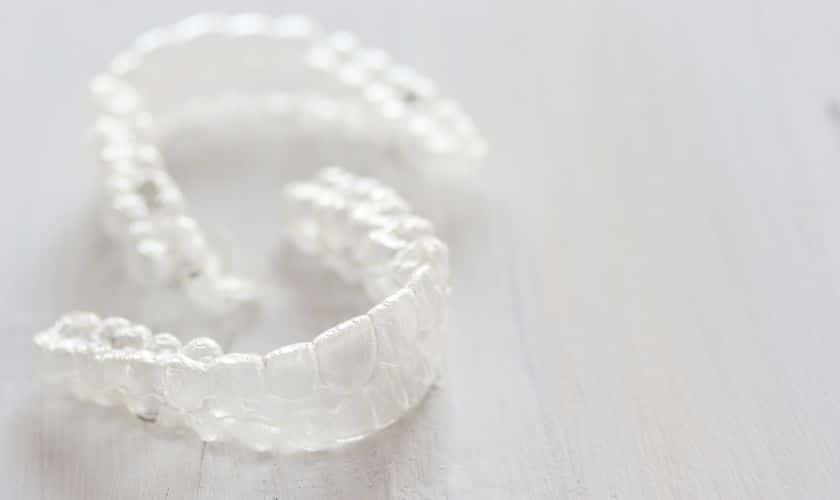
To appreciate how Invisalign may correct an overbite, one must first understand the mechanics of the aligner. Invisalign consists of a series of custom-made, clear, plastic aligners that gradually shift teeth into their desired positions. The process begins with digital scans and photographs of the patient’s mouth, which are then utilized to create a simulated treatment plan. Aligners are designed to exert controlled force at specific dental points, facilitating gradual tooth movement.
2. Aligners and Overbite Correction
Invisalign can correct certain types of overbites depending on their severity and underlying causes. In cases of mild to moderate overbites, Invisalign can shift upper front teeth backward and lower front teeth forward. This dual-action method, while not as rapid as more invasive orthodontic procedures, offers a pragmatic solution to those seeking subtle adjustments.
3. The Efficacy for Severe Cases
However, it’s crucial to note that Invisalign may not be the panacea for all overbite cases, especially in severe instances requiring significant repositioning of the jaw. Skeletal overbites, in particular, may necessitate surgical intervention to truly rectify the underlying issue. In such instances, a combination of traditional braces and supplemental treatments may be recommended.
4. Treatment Duration
Aligner therapy typically spans several months to a few years, depending on the complexity of the overbite and the patient’s compliance with wearing the aligners for the recommended duration each day. Most aligners should be worn for 20 to 22 hours daily to ensure effective results. This commitment to a new routine underscores the need for patients to embrace a disciplined approach to their oral health.
5. Aesthetic and Psychological Benefits
Beyond the tangible benefits of correcting an overbite, Invisalign caters to the psychological and aesthetic concerns of patients. The discreet nature of clear aligners allows for confidence during treatment, as patients can engage socially without feeling self-conscious about traditional metal braces. This factor significantly contributes to the growing fascination with Invisalign among diverse age groups, particularly adults seeking subtle enhancement.
6. Cost Implications
Financial considerations inevitably enter the conversation regarding Invisalign treatments. The cost of a complete Invisalign treatment often parallels traditional orthodontic options, albeit prices may fluctuate depending on the complexity of the case. Most dental insurance plans accommodate a portion of orthodontic treatments, including Invisalign, underscoring its accessibility for individuals seeking corrective options.
7. The Role of Professional Guidance
Achieving optimal results with Invisalign necessitates collaborative involvement from a qualified orthodontist. Expert assessment allows for tailored treatment and ensures eligibility for the clear aligner system. A skilled orthodontist will evaluate the degree of the overbite and recommend a comprehensive treatment plan that may incorporate other orthodontic solutions if needed.
8. The Importance of Patient Compliance
While the allure of Invisalign largely stems from its perceived convenience, patient compliance is critical for success. Aligners must be changed approximately every two weeks, requiring participants to adhere to their prescribed regimen to attain optimal results. This self-discipline does not only impact the duration of treatment but also the overall effectiveness in achieving desired tooth alignment.
Conclusion
In conclusion, Invisalign offers a viable option for addressing certain types of overbites, particularly mild to moderate cases. The appeal of clear aligners lies not only in their effectiveness but also in their aesthetic quality, making them a favored choice among patients. While they may not be universally suitable for all overbite scenarios, professional guidance and a personalized approach can ensure that individuals make informed decisions regarding their dental health. As modern orthodontics continues to evolve, the fascination with solutions like Invisalign is likely to persist, embodying the confluence of convenience, efficacy, and aesthetic appeal in corrective dental treatment.








Leave a Comment