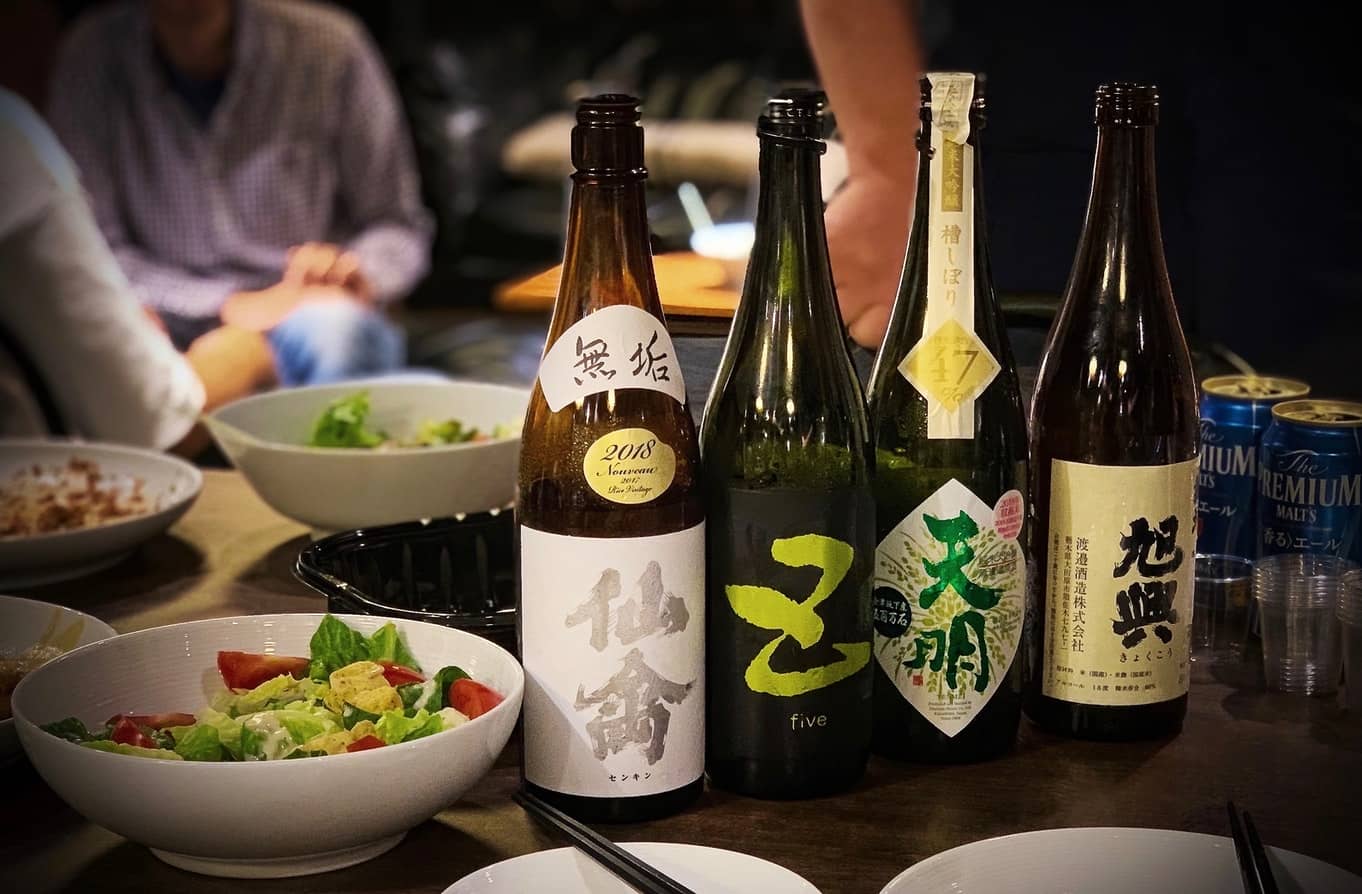
Sake, a traditional Japanese rice wine, has gained significant acclaim and curiosity among aficionados and casual drinkers alike. The allure of sake is not merely in its ethereal quality but also in its multifaceted flavor profile that spans an impressive spectrum. This beverage captivates the palate, enticing with its subtleties and complexities. Understanding what sake tastes like requires delving into various elements, including its production methods, flavor constituents, temperature of serving, and the intricate interplay of aromas and taste sensations.
1. The Foundation: Ingredients and Production
The very essence of sake originates from three primary components: polished rice, water, and yeast. The polishing of rice removes outer bran layers, resulting in nuances of taste that vary greatly depending on the degree of polishing—known as the “seimaibuai.” The more the rice is polished, the cleaner and more delicate the resulting flavor. Water quality, particularly mineral content, plays a crucial role in distinguishing regional offerings. Yeast, in turn, contributes to the fermentation process, yielding a bouquet of aromatic profiles that further enrich the drink.
2. The Variations of Flavor: A Spectrum of Tastes
To articulate the taste of sake is to paint a vibrant picture of its diverse spectrum. Broadly categorized, sake can exhibit flavors ranging from fruity to nutty, floral to earthy, and even savory umami notes. This complexity arises from the interplay between the rice and the fermentation process, with fruity characters often mirroring those found in wines.
- Fruity Notes: Many sakes offer ripe pear, apple, or even melon scents and tastes. Junmai and ginjo varieties frequently showcase these vibrant fruits, creating a refreshing sensation.
- Floral Undertones: Floral notes, such as cherry blossom or jasmine, may waft gently from the glass, especially in premium daiginjo sakes. This delicate fragrance enhances the drinking experience, stimulating curiosity with every sip.
- Nuttiness and Earthiness: More robust varieties like Junmai might include deeper flavors reminiscent of toasted nuts or earth, embodying warmth and richness that can evoke memories of sun-baked landscapes.
- Umami Essence: The savory quality of umami emerges most potently in unfiltered or nigori sakes, bestowing a creamy texture that envelops the palate and lingers gracefully.
3. The Role of Temperature: Serving Styles Influence Perception
How sake is served significantly affects its taste experience. Served chilled, the lighter, delicate flavors emerge, encouraging a refreshing encounter. Conversely, when warmed—typically to a temperature of around 110°F (43°C)—the warmer sake expands in the mouth, releasing deeper flavors and a comforting sensation. The choice between cold and warm can transform an evening; thus, understanding the nuances of temperature is vital for not only tasting but savoring sake.
4. The Alluring Aroma: A Prelude to Palate Pleasure
Beyond its taste, sake invites exploration through its aromatic composition. The nose often reveals as much as the palate, offering hints of what’s to come. A deeper immersion into the olfactory experience showcases a fragrant bouquet of aromas ranging from sweet to savory. The aromatic notes complement the flavors and can include, but are not limited to, earthy rice characteristics, floral elegance, and subtle hints of fermentation that bring vibrancy to the glass.
5. Pairing with Cuisine: Complementary Experiences
The potential of sake for enhancing culinary experiences cannot be understated. In the realm of food pairing, sake proves versatile, gracefully accompanying a variety of dishes. Sushi and sashimi, particularly, reveal the umami qualities in sake, creating a harmonious balance on the palate. Richer, fuller-bodied sakes meld beautifully with grilled meats or robust dishes, enhancing flavor profiles while providing a refreshing counterpoint.
- Comparative Pairings: Experimenting with different sake styles alongside diverse fare can yield unexpected delights; for instance, a fruity ginjo can invigorate a plate of spicy Asian cuisine, while a nuttier junmai might complement a savory tempura.
- The Seasonal Influence: The variation of sake styles throughout the seasons also mirrors its pairing potentials; summer might call for lighter, chilled options, while winter embraces warmer, heartier selections.
6. The Intriguing Cultural Context: Sake in Japanese Tradition
Sake’s allure extends beyond its sensory attributes. It is a beverage steeped in cultural significance, woven into the fabric of Japanese tradition. The ritualistic aspects of sake consumption—from the ceremonial pouring to its significance in festivals—bridge the gap between body and spirit. Fascination with sake often stems from this deep-seated reverence for the craftsmanship and history behind each bottle, inviting drinkers to not only taste but also appreciate the artistry and patience involved in its creation.
As the world enraptures itself in the diverse experiences sake has to offer, the question of what sake truly tastes like unfolds like the petals of a flower. Each sip reveals a narrative of flavors, aromas, and cultural contexts that reach well beyond a mere drink. Instead, it opens a gateway to understanding a timeless tradition, inviting contemplative exploration and a haunting sense of intrigue.
To enjoy sake is to embark on a sensory journey—one that weaves together taste, aroma, and the legacy of craftsmanship. As you undertake this exploration, allow yourself to embrace the fascination that lies within every glass, revealing a world that’s thoughtfully intertwined with history, culture, and the delicate notes of life captured in this extraordinary beverage.










Leave a Comment