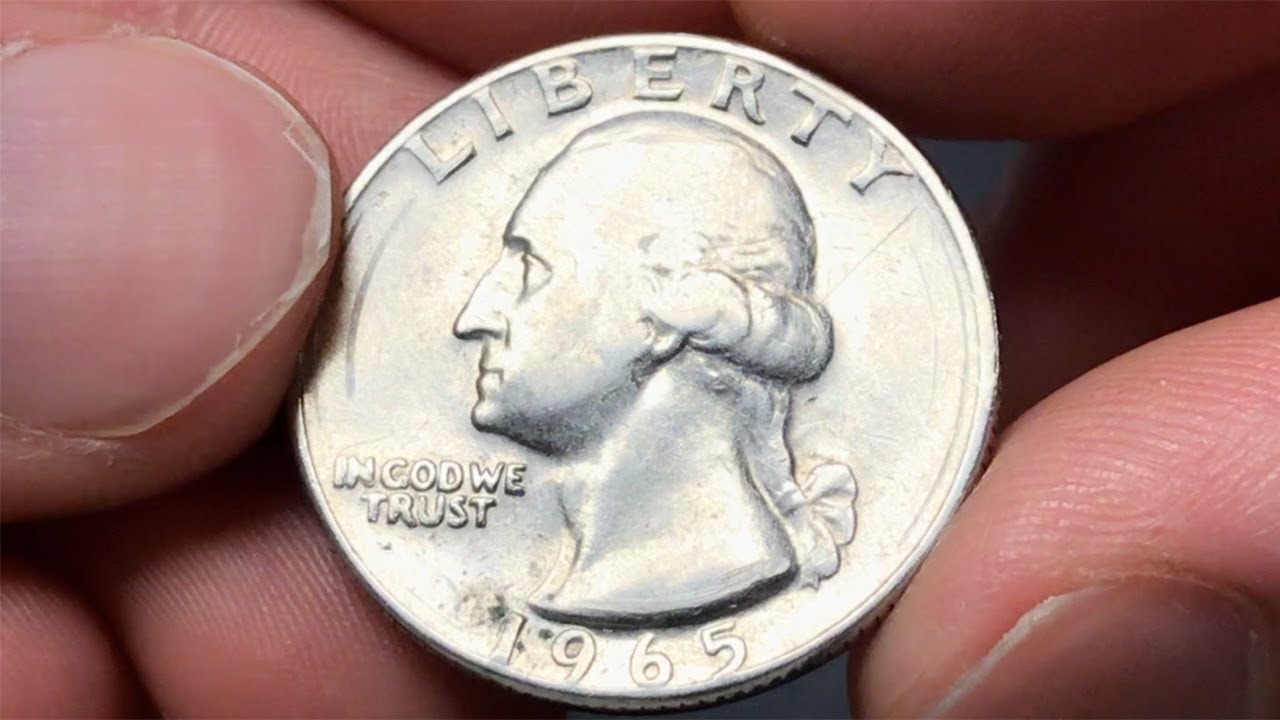
Is a 1965 Quarter Worth Anything? As you rummage through your old change jar or the bottom of a dusty drawer, you might stumble upon a 1965 quarter. The gleaming silver surface beckons you, and a playful question arises: “Could this coin hold unexpected value?” This inquiry poses an intriguing challenge. Is it simply a relic of a bygone era, or does it represent something greater? In this article, we will delve into the multifaceted world of coin collecting, examining the worth of the 1965 quarter and the factors influencing its value.
A Glimpse into History
The 1965 quarter is a product of the United States Mint, yet it stands as a significant marker in the evolution of American currency. Before 1965, quarters were made primarily of silver, with a composition of 90% silver and 10% copper. However, a crucial transformation occurred in that year, leading to the introduction of a copper-nickel composition. This shift arose from a growing concern regarding the dwindling supply of silver following rising market prices.
The Composition and Production
Understanding the 1965 quarter begins with its composition. Made of 75% copper and 25% nickel, it lacks the intrinsic silver content that earlier quarters boasted. This transformation was driven by fiscal necessity rather than artistic intent, and thus the 1965 quarter is not classified as a “silver quarter.” The total production of the 1965 quarter was substantial—over 1.9 billion coins were minted across various locations such as Philadelphia and Denver.
Are 1965 Quarters Rare?
Rarity plays a pivotal role in the valuation of any coin, and the 1965 quarter is no exception. One might assume that since millions were produced, scarcity would not apply here. However, rarity is measured through various prisms, including condition, mint mark, and the demand within the collector community. While the standard 1965 quarter is not rare by any means, certain variations may spark curiosity and increase desirability among numismatists.
Examining Mint Marks
Mint marks are small indicators stamped on coins, denoting where they were produced. For the 1965 quarter, the absence of a mint mark indicates it was produced in Philadelphia, while the letter “D” represents Denver minting. There’s also the “S” mint mark found on proof coins, which may attract collectors. Generally, Denver and Philadelphia quarters are more common, but finding them in pristine condition can significantly augment their appeal.
The Condition Factor
When it comes to determining the worth of a coin, the state of preservation is paramount. Coin grading, a detailed assessment of a coin’s condition, divides coins into categories such as “Good,” “Fine,” “Very Fine,” and “Mint State.” A 1965 quarter in “Mint State” condition—exhibiting no signs of wear and retaining its original luster—could potentially fetch a higher price compared to one that is heavily circulated and worn down.
Market Demand: The Collector’s Perspective
The market value of a 1965 quarter greatly hinges on collector interest. Collecting coins is not merely about acquiring currency; it’s about possessing a tangible piece of history, often infused with personal significance. As markets ebb and flow, so too does the desirability of particular coins. Online auction platforms and coins shows offer a thrilling glimpse into this dynamic marketplace, where prices can fluctuate based on collectors’ whims and economic trends.
Valuation Ranges
In general terms, a standard circulated 1965 quarter may fetch only its face value—25 cents. However, uncirculated or well-preserved specimens can command a price between $2 to $10, depending on market conditions and collector enthusiasm. As for proof coins or limited collectors’ items, prices may escalate beyond these estimates, reflecting unique traits that distinguish them from the ordinary.
Procuring Certifications and Appraisals
If your 1965 quarter shows promise, obtaining a professional appraisal can provide clarity and potentially enhance its marketability. Various certification services evaluate and grade coins, issuing certificates that authenticate quality and originality. A certified coin often garners a higher resale value since collectors are more inclined to invest in graded currency, ensuring its legitimacy and condition.
Conclusion: The Final Verdict
So, is a 1965 quarter worth anything? The answer hinges on multiple factors, from condition to rarity and market demand. While many of these coins may not hold significant financial value by conventional standards, the journey into their history, production, and collector interest makes them more than mere change. They encapsulate echoes of a particularly transformative era in U.S. currency evolution. If you’re still wondering about that 1965 quarter nestled in your drawer, consider the possibilities—both in terms of historical significance and financial worth. The adventure of coin collecting may just lie within your grasp, ready to unfold with every shiny quarter you discover.









Leave a Comment