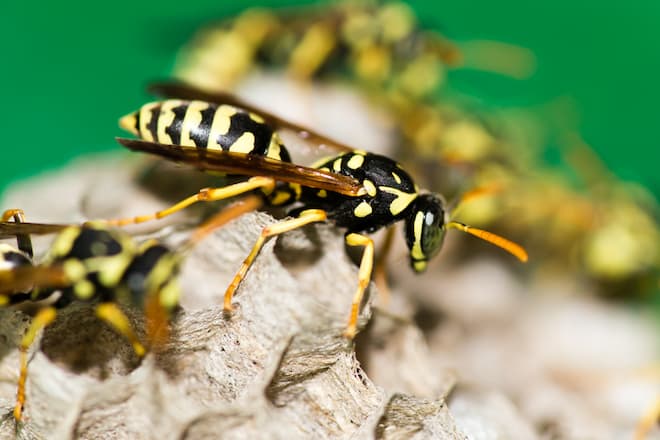
Wasps have long captured the interest of both nature enthusiasts and casual observers alike, frequently eliciting a visceral reaction of fear and apprehension. Unlike their docile bee counterparts, these formidable insects are often regarded as aggressive, prompting a myriad of questions regarding their behavior. What drives this aggression? Is it inherently tied to their biological makeup, or are external factors at play? To explore the layers of this intriguing phenomenon, we must delve into the behavioral ecology and social structure of wasps.
1. The Nature of Aggression in Wasps
At the outset, it is crucial to understand that aggression in wasps is not without purpose. It often serves as a defense mechanism, ensuring the protection of their nests and, by extension, their colony. Female wasps, particularly the queen and workers, are endowed with a keen sense of territoriality, leading them to view intruders as threats. This instinctual aggression is a hallmark of their survival strategy.
2. Nest Defense and Maternal Instincts
The maternal instinct of wasps manifests most prominently in the queen. Her primary objective revolves around the propagation of her lineage, placing the safety of the nest at the forefront. When provocatively approached, a wasp will not hesitate to display aggressive behavior, delivering painful stings as warnings. This fierce dedication to protecting their hive is a critical element in understanding the venomous reputation these insects garner.
3. Social Structure and Hierarchy
Another layer to consider is the intricate social structure inherent to many wasp species. Wasps operate within colonies that consist of a highly organized hierarchy, typically led by a queen. Worker wasps play essential roles, from foraging to nest maintenance, establishing a dynamic where aggression is often a response to perceived threats against their communal space. Moreover, the social interactions within the colony can also lead to aggressive displays among themselves, often in competition for resources or status.
4. The Role of Environmental Factors
Environmental influences significantly contribute to the aggressive behavior of wasps. Seasonal changes, particularly during late summer and early fall, can heighten aggression levels. As food sources dwindle and their colonies swell, wasps become increasingly irritable. The combination of resource scarcity and heightened competition for survival invariably leads to territorial disputes. These factors culminate in an uptick in aggressive encounters, amplifying public perception of wasp hostility.
5. The Misunderstood Interactions with Humans
Interactions between wasps and humans often exacerbate the notion of wasp aggression. Many people inadvertently provoke wasps by waving their hands or attempting to swat them away, actions interpreted as attacks. In response, wasps instinctively defend themselves, further entrenching the idea of their aggressive nature. Thus, education on how to coexist with these insects is paramount. Recognizing when to maintain a safe distance can mitigate encounters that unnecessarily escalate.
6. Wasp Diversity and Behavioral Variants
It is important to note that not all wasps exhibit the same level of aggression. The family Vespidae, which includes yellow jackets and paper wasps, showcases varying degrees of defensive behavior. Research indicates that some species are naturally more docile and less prone to violence unless provoked. This diversity in temperament can be attributed to evolutionary adaptations tailored to their specific ecological niches, ultimately leading to a deeper appreciation of their roles within ecosystems.
7. The Fascination with Wasps
The dichotomy of fear and fascination surrounding wasps is compelling. Despite their fearsome reputation, wasps play a crucial role in maintaining ecological balance. They are prolific pollinators and adept pest controllers, curbing the population of other insects that may harm crops. This ecosystem service underscores the paradox: while they can be aggressive, their existence contributes to a harmonious nature. Their mere presence invites deeper reflection on the multifaceted relationships that exist within our environment.
8. Conclusion: A Dual Perspective
In essence, the aggression observed in wasps stems from a confluence of biological imperatives, environmental conditions, and their intricate social structures. Their behaviors raise profound questions about instinct, survival, and our own interactions with nature. Rather than viewing wasps solely through the lens of aggression, it is imperative to consider their ecological significance and the vital roles they play in nature’s grand tapestry. Ultimately, a deeper understanding of these remarkable insects can foster a sense of respect and coexistence, transforming fear into admiration.











Leave a Comment