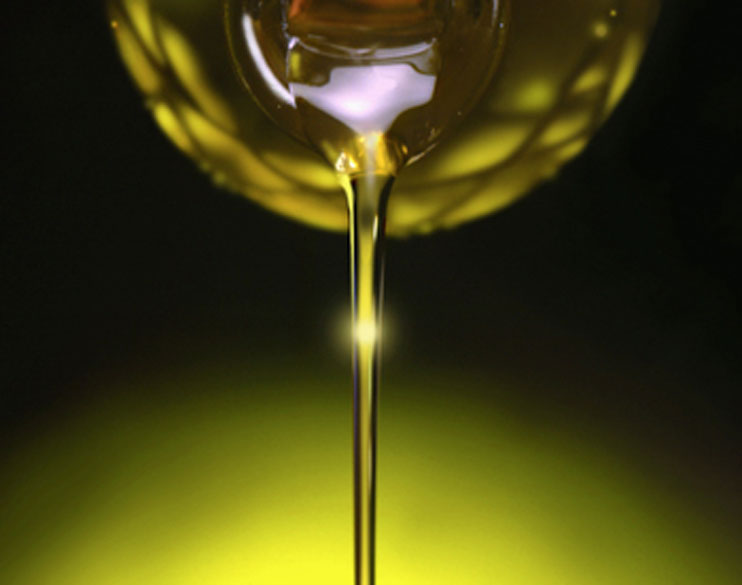
Anointing oil, steeped in tradition and ritual, holds a significant place in various cultures and spiritual practices. Its role transcends mere application; it is imbued with profound symbolism, often representing divine blessing, healing, or consecration. The allure of creating anointing oil lies not only in the process itself but also in the sacred intention it embodies. To embark on the journey of making your own anointing oil, follow this comprehensive guide that intertwines the art of preparation with the depth of reverence.
Understanding the Essence of Anointing Oil
Before delving into the practical aspects of crafting anointing oil, it is essential to grasp the spiritual significance behind it. In many traditions, anointing oil serves to sanctify objects, spaces, or individuals. It is often correlated with healing, protection, and empowerment. The oil is typically infused with herbs, essential oils, or other botanicals that carry resonant energies, each chosen deliberately for their respective properties. This multifaceted engagement with the oil deepens the connection between the practitioner and the divine.
Essential Ingredients in Anointing Oil
To create an anointing oil that is both potent and meaningful, selecting the right ingredients is crucial. Here are the main components to consider:
- Base Oil: The foundation of your anointing oil comprises a carrier oil. Olive oil, sweet almond oil, and jojoba oil are favored for their skin-friendly properties and neutral scents. They serve as the canvas upon which the sacred ingredients will be painted.
- Herbs and Botanicals: Dried herbs like rosemary, sage, or lavender can be considered. Each herb possesses unique metaphysical properties, often associated with protection, purification, or healing.
- Essential Oils: For an added aromatic dimension, essential oils such as frankincense, myrrh, or sandalwood may be incorporated. These oils have been utilized for millennia in both spiritual and therapeutic contexts.
- Crystals or Stones: Many practitioners choose to add small crystals like clear quartz or amethyst. Infusing the oil with the energy of these stones can enhance its vibrational qualities.
Step-by-Step Guide to Making Anointing Oil
Having gathered your ingredients, it’s time to begin the process of creation. Ensure you are in a tranquil environment, fostering an atmosphere conducive to reflection and intention.
- Prepare Your Workspace: Clear your workspace of distractions and clutter. Cleanse the area with sage or incense to create a harmonious space. Lay out all the ingredients thoughtfully, focusing your mind on the energy you wish to imbue into the oil.
- Measure the Base Oil: Pour your chosen base oil into a clean glass bottle or jar, typically about 2 ounces. This amount is suitable for personal use and can be adjusted according to your needs.
- Add Botanicals: Gradually introduce your selection of dried herbs into the oil. A couple of teaspoons should suffice, depending on how potent you wish the infusion to be. Stir gently with a wooden spoon, encouraging the herbs to release their essence.
- Incorporate Essential Oils: Add approximately 15-20 drops of your selected essential oils. As you do so, focus on your intention for the oil, visualizing the desired outcome—be it healing, protection, or spiritual growth.
- Introduce Crystals: If you choose to include crystals, place one or two small stones into the mixture. Allow the crystals to resonate with the oil, enhancing its vibrational effects.
- Seal and Infuse: Cap the bottle securely. Place it in a warm, sunny spot, allowing the ingredients to infuse for at least 24 hours, though longer infusion times (up to several weeks) can yield deeper flavors and scents. Gently shake the bottle every few days to boost the infusion process.
- Strain and Store: After the infusion period, strain the oil to eliminate any solid remnants. A fine mesh strainer or cheesecloth works well for this step. Pour the completed anointing oil into another clean container for storage.
- Label and Charge: Label your bottle with the date and the intended purpose of the oil. To further empower it, hold the bottle in your hands, recite a blessing, or meditate upon it, infusing it with your energy and intention.
Utilizing Your Anointing Oil
Once you’ve crafted your anointing oil, the possibilities for application are manifold. Traditionally, it can be used during prayer, meditation, or any sacred ritual. Simply apply a few drops to pulse points or use it to anoint objects or spaces. Its presence can elevate mundane experiences, fostering an atmosphere of spirituality and intention.
Concluding Thoughts
The enigmatic practice of making anointing oil not only provides a tangible connection to ancient traditions but also offers a means of personal expression and spiritual exploration. By carefully selecting ingredients and dedicating time to the process, one can create a unique elixir infused with intention and purpose. Such a practice deepens the understanding of each element’s significance, enabling a profound connection with the sacred. Whether for personal use or gifting, homemade anointing oil becomes a vessel of blessings, reflecting your devotion and aspiration.











Leave a Comment