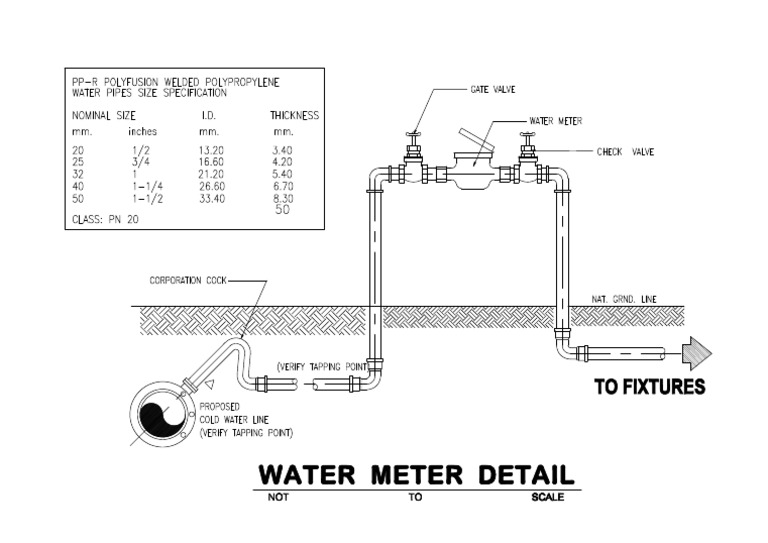
Have you ever wondered why there’s often water inside your water meter? This seemingly innocuous phenomenon might pose a potential challenge to homeowners and property managers alike. Understanding the dynamics of water within a water meter can unlock crucial insights into both its functionality and maintenance. This article delves into the intricate world of water meters, presenting not only what it means to have water inside but also the potential complications it could introduce to your plumbing system.
What is a Water Meter?
A water meter is a vital device that measures the volume of water consumed by a household or business. Typically installed at the point where the municipal water supply enters a facility, these meters provide essential data that utilities rely on for billing and regulatory purposes. They vary in design—from simple mechanical meters to more advanced digital models—but their primary function remains the same: accurate measurement.
The Role of Water Inside the Meter
Interestingly, a small amount of water inside the water meter is not inherently alarming. In fact, it serves specific functions that ensure the meter operates efficiently. Most water meters feature a sealed chamber filled with a liquid—often water or antifreeze—designed to lubricate internal components, facilitate smoother operation, and stabilize readings. However, unusual accumulation or persistent standing water can indicate underlying issues that require attention.
Why Does Water Accumulate?
The presence of water within the meter can arise due to several factors:
- Condensation: Rapid temperature changes can cause humidity to condense within the meter housing, leading to minor water accumulation.
- Leaking Seals: Over time, seals can degrade due to wear or environmental conditions, allowing groundwater or surrounding moisture to seep into the meter.
- Pipe Bursts: A more significant issue arises when leaks stemming from pipe ruptures flood the meter, drastically increasing the water presence.
The Consequences of Excessive Water
While a small amount of water might be harmless, too much can herald more severe problems:
- Measurement Errors: Excessive water can disrupt the meter’s ability to take accurate readings, leading to inflated bills.
- Corrosion: Standing water can contribute to internal corrosion, deteriorating not only the meter but also connected piping.
- Increased Maintenance Costs: Managing problems caused by a malfunctioning meter can lead to increased repair costs, further straining your budget.
Inspections: How and When?
Regular inspections can mitigate risks associated with water accumulation inside water meters. Consider the following tips for performing effective evaluations:
- Visual Checks: Inspect the external condition of the meter for any signs of visible leaks or damage. Look for water stains or pooling that could indicate moisture ingress.
- Temperature Regulation: Ensure proper temperature control around the meter, especially in colder months, to minimize condensation risks.
- Regular Professional Inspections: Schedule periodic professional checks of your water meter to identify potential issues early on. Experts can utilize specialized tools to detect leaks or faults that might not be visible at first glance.
Preventative Measures
Mitigation is key to preventing excessive water accumulation in your water meter. Implement these strategies to enhance longevity and reliability:
- Insulation: Insulate your water meter with proper materials to stave off temperature fluctuations that contribute to condensation.
- Seal Replacement: Regularly replace meter seals to ensure water ingress does not occur, thereby avoiding resultant complications.
- Drainage Management: Maintain effective drainage in areas surrounding the water meter to keep external water away from its internal components.
Dealing with the Challenge
Should you find an excessive amount of water inside your water meter, prompt action is essential. Follow these steps to address the issue:
- Turn Off the Water Supply: The first step is to turn off the main water supply to prevent further leakage.
- Contact Professionals: Reach out to licensed plumbers or utility services to assess the meter and discover the underlying cause of the water accumulation.
- Document Findings: If you suspect a correlation between the meter’s malfunction and your utility bill, document everything. This can prove invaluable in disputing erroneous charges.
Conclusion
Water inside a water meter can serve critical roles, yet it also opens up a Pandora’s box of potential concerns. Recognizing the value of vigilance in monitoring your water meter can stave off more significant plumbing disasters. By conducting regular inspections, adopting preventative measures, and knowing how to react to any abnormalities, you can ensure a well-functioning water supply system that alleviates the challenges posed by unwanted moisture. So next time you check your water meter, remember: what appears to be just an innocent pool of water could be the key to a bigger mystery waiting to be solved.








Leave a Comment