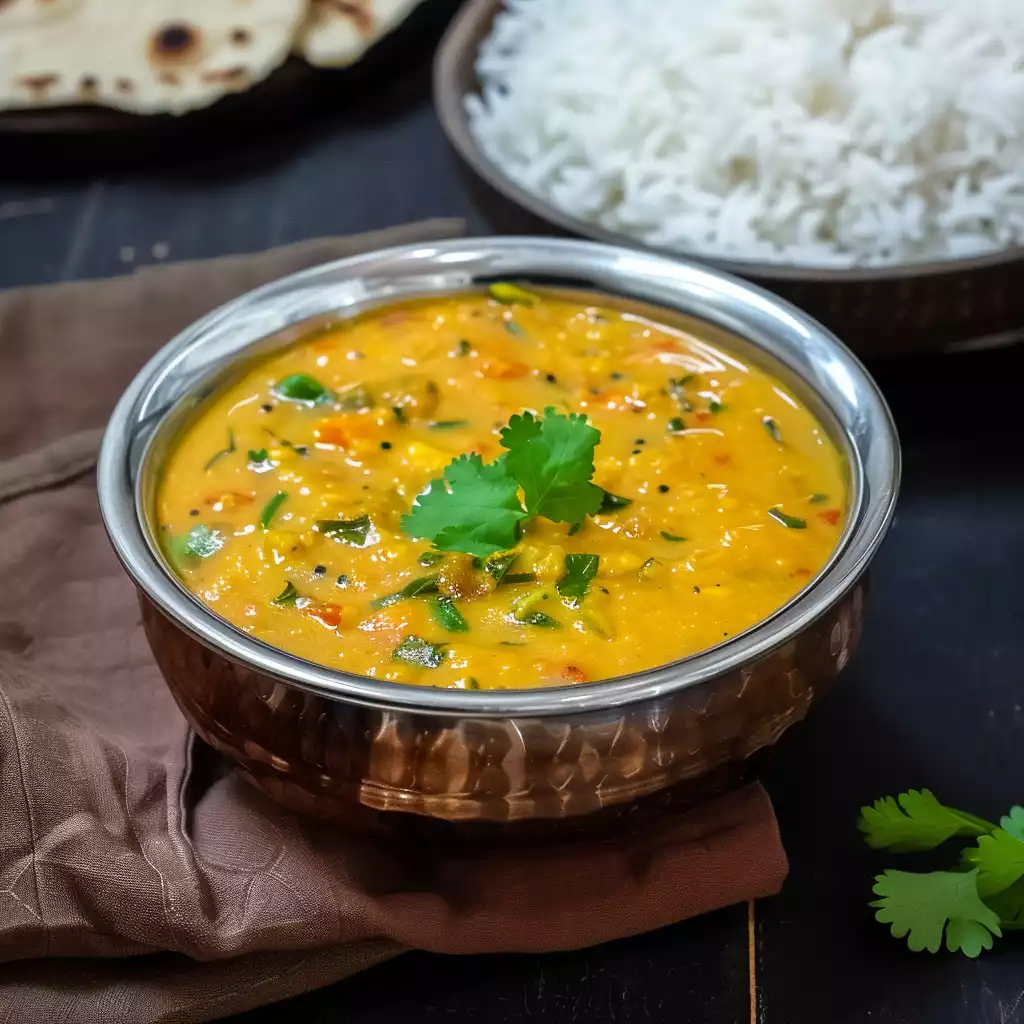
Urad dal, a staple legume in South Asian cuisine, often eludes the limelight in culinary discussions. However, this versatile ingredient deserves a profound exploration, promising an intriguing shift in perspective regarding its culinary potential and nutritional benefits. In this exploration, we will unravel the many facets of urad dal, delving into its origins, varieties, health benefits, cooking techniques, and its cultural significance. By the end, you may find that urad dal is not just another ingredient but a treasure trove of flavor and sustenance waiting to be discovered.
Understanding Urad Dal: An Introduction
Urad dal, scientifically known as Vigna mungo, is the black gram lentil that boasts a creamy, earthy flavor profile. Traditionally, it has been a cornerstone in the Indian subcontinent’s culinary practices, used in an array of dishes, from rich curries to delectable snacks. The lentil is distinguished by its black skin and white interior, and it is revered for its protein-rich content, making it a valuable dietary component.
The Varieties of Urad Dal
The world of urad dal is not monolithic; it encompasses several distinct varieties, each lending its unique characteristics to culinary applications. The most commonly utilized forms include:
- Black Urad Dal: Unhulled, this variety retains its black skin and offers a robust flavor ideal for hearty dishes such as dals and curries.
- White Urad Dal: Skinned and split, this lentil is milder and cooks faster. It’s frequently employed in dosas, idlis, and various desserts.
- Whole Urad Dal: This is essentially the whole seed, often used for making traditional Indian pastes and pakoras.
Exploring these varieties reveals the versatility of urad dal in both sweet and savory preparations, emphasizing its adaptability in various cuisines.
Nutritional Profile: A Powerhouse of Health
Nutritionally, urad dal is a powerhouse, brimming with health benefits that extend beyond mere sustenance. Rich in protein, it serves as an excellent alternative for vegetarians and vegans seeking to bolster their protein intake. Additionally, urad dal is credited with:
- Fiber Content: It promotes digestive health, regulates blood sugar levels, and contributes to a feeling of fullness.
- Vitamins and Minerals: This lentil is a treasure trove of essential nutrients like B vitamins, potassium, iron, and magnesium, aiding in overall health and well-being.
- Antioxidant Properties: The presence of phenolic compounds helps combat oxidative stress and inflammation in the body.
Integrating urad dal into your diet can facilitate a more balanced and wholesome nutritional regimen, thereby enriching your overall health.
Culinary Uses: More than Just Dals
While urad dal is renowned for its place in traditional dals, its culinary versatility extends far beyond. Here are some remarkable applications that showcase its hidden potential:
- Dosa and Idli: Ground urad dal forms the base for the famous South Indian dishes, dosa and idli, where it contributes to a soft texture and fermented flavor.
- Vada: Mixed with spices and fried, urad dal transforms into crispy vadas, a popular snack that is both delicious and satisfying.
- Sweet Treats: Urad dal can also be metamorphosed into sweet preparations like halwa, offering an unexpected twist to traditional dessert experiences.
- Soup and Stews: Adding whole urad dal to soups and stews can enhance their nutritional profile while adding a delightful texture.
Such diverse culinary applications not only highlight the adaptability of urad dal but also present opportunities for innovative culinary creations.
Preparing Urad Dal: Techniques and Tips
Proper preparation is essential to unlocking the full potential of urad dal. Here are a few key techniques to consider:
- Soaking: Start by soaking urad dal for several hours (or overnight) to reduce cooking time and improve digestibility.
- Cooking Methods: Urad dal can be boiled, steamed, or sautéed, depending on the dish being prepared. Each method imparts a different texture and flavor, so experimentation is encouraged.
- Spices: Pair urad dal with spices such as cumin, mustard seeds, and curry leaves to elevate its flavor profile, creating an aromatic dish that tantalizes the senses.
These practical tips ensure that each meal featuring urad dal is executed flawlessly, resulting in a memorable dining experience.
Cultural Significance: Beyond the Plate
Urad dal is interwoven into the cultural fabric of the regions it originates from. It is often associated with festivities and rituals, traditionally consumed during auspicious occasions. The prominence of urad dal in various regional cuisines—from Punjabi dals to South Indian thalis—illustrates its role in fostering community and shared culinary experiences.
Conclusion: A Call to Embrace Urad Dal
As we conclude this exploration of urad dal, it is clear that this humble lentil holds a wealth of possibilities that extend far beyond the dinner plate. Its rich history, exceptional nutritional profile, versatility in cooking, and cultural significance all contribute to its stature as a culinary gem. In an age where food is both nourishment and art, embracing urad dal can lead to delightful discoveries of flavor, tradition, and health. Whether you are a seasoned cook or a curious novice, consider incorporating urad dal into your culinary endeavors. It promises not just a meal, but an adventure filled with intriguing flavors and textures. So, dive into the world of urad dal and let its delightful attributes inspire your next culinary creation.










Leave a Comment