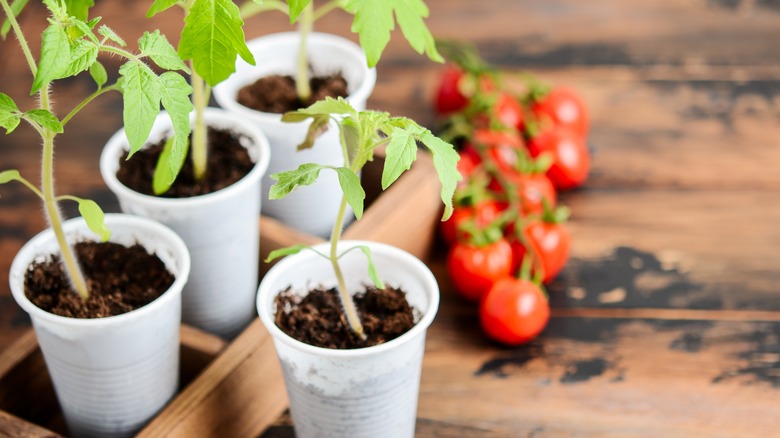
Have you ever pondered the tantalizing prospect of biting into a sun-ripened, homegrown tomato in the middle of winter? The notion of growing tomatoes indoors seems like a whimsical dream; yet, it poses an intriguing question: can this culinary delight be cultivated successfully within the confines of your home? Growing tomatoes indoors does come with its unique set of challenges, but with the right strategies, you can transform your indoor space into a veritable tomato haven. Let’s delve into the nuances of growing tomatoes inside and explore the steps, obstacles, and rewards of this delectable endeavor.
First and foremost, understanding the essentials of tomato varieties is paramount. There are hundreds of varieties, but not all are suited for indoor cultivation. Compact varieties, often referred to as “dwarf” or “determinate” tomatoes, are your best bet for indoor gardening. These plants typically have a bushy growth habit and do not require extensive vertical space. Some popular selections include the Tiny Tim, Patio Princess, and Tumbling Tom. Each variety boasts its unique flavor profile and aesthetic appeal, thus allowing you to choose based on your culinary preferences or decorative aspirations.
Once you’ve selected the ideal variety, let’s turn our attention to the next challenge: optimal lighting. Tomatoes are sun-worshipping plants, thriving in environments with ample sunlight exposure. Indoors, that’s often easier said than done. Ideally, your tomato plants require 12 to 16 hours of light each day. Numerous options exist; however, natural sunlight can be limited during certain seasons. Therefore, utilizing grow lights, particularly LED or fluorescent types, can significantly enhance growth prospects. Position them about two inches above the plants, adjusting as they grow. This attention to lighting will prevent the dreaded phenomenon of leggy plants, characterized by overstretched stems and sparse foliage.
Temperature plays a pivotal role in ensuring the health and productivity of your indoor tomatoes. Most tomato varieties flourish in temperatures ranging from 70°F to 85°F during the day and slightly cooler at night. If your home fluctuates outside this range, consider using heaters or fans to create a more conducive environment. Additionally, ensure the plants are shielded from drafts or sudden changes in temperature, which can cause stress and affect overall growth.
Next comes the indispensable aspect of watering. Indoor tomatoes have specific watering needs, which differ from those grown outdoors. The soil should be kept consistently moist but not waterlogged. Using a well-draining potting mix enriched with organic matter can significantly enhance soil aeration and water retention capabilities. Establishing a routine while being mindful of your plant’s unique needs is crucial; checking the top inch of soil for moisture can offer clues as to when watering is necessary.
Onward to the topic of fertilization! Indoor tomatoes, much like their outdoor counterparts, require a balanced diet to yield flavorful fruit. Using a nutrient-rich fertilizer every 2-4 weeks can effectively nourish your plants. Look for a fertilizer high in phosphorus (the middle number in the N-P-K ratio), which will encourage robust flowering and fruiting. Moreover, consider incorporating organic options such as compost or fish emulsion to provide a slow-release source of nutrition.
Don’t overlook the significance of potting—both in terms of container choice and the act itself. Choose pots that are at least 5 gallons to provide ample space for root development. Ensure that these containers have drainage holes to prevent the roots from succumbing to rot. When potting your tomato plants, space is essential. Crowded plants can lead to increased humidity levels, which fosters disease and pest infestations. Allow for ample air circulation to promote a healthy growth environment.
Speaking of pests, let’s not shy away from the inevitable: indoor tomatoes can attract unwelcome guests, such as aphids or spider mites. Regularly inspecting your plants ensures that any signs of infestation are managed promptly. Natural remedies, such as insecticidal soap or neem oil, can be effective deterrents without resorting to harsh chemicals. Employing companionship planting—which involves placing other beneficial plants nearby—can also support pest management and enhance overall plant vitality.
As the growing season progresses, your anticipation will build in tandem with your plants. Recognizing the signs of fruiting is both exhilarating and paramount for your tomato-growing journey. Once flowers begin to blossom, ensure that you’re still providing adequate light, water, and nutrients to support fruit development. Hand pollination can also be beneficial indoors, especially in the absence of bees or other pollinators. A gentle shake of the plant or use of a soft brush can effectively aid this vital process.
In the culmination of your effort, remember that patience and keen observation will yield the best results. Indoor tomatoes may require a bit of finesse compared to their outdoor counterparts, but the satisfaction derived from plucking a homegrown tomato from your windowsill is immeasurable. As you eventually slice into your luscious, red treasure, consider the journey—filled with challenges and triumphs—that led to this gratifying moment.
In conclusion, growing tomatoes indoors is indeed a feasible and rewarding venture. By arming yourself with the right knowledge and tools, you can conquer the challenges associated with indoor cultivation. Remember to select suitable varieties, create an optimal environment, maintain diligent watering and fertilization routines, and remain vigilant against pests. With a dash of commitment and a sprinkle of passion, your indoor tomato garden can flourish, offering not just sustenance but a deep connection to the joy of gardening, even within the four walls of your home.








Leave a Comment