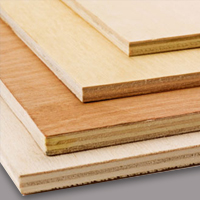
Fire-rated plywood is a critical material in construction, especially vital for enhancing safety in commercial buildings and residential properties alike. Understanding its classification, types, and applications empowers architects, builders, and homeowners to make informed decisions. This guide provides a detailed overview of fire-rated plywood, including its ratings, standards, and differences from conventional plywood.
Understanding Fire Ratings
Fire ratings indicate how long a material can withstand exposure to flames and heat without failing. In the context of fire-rated plywood, several key standards and classifications emerge. They typically derive from tests conducted by organizations such as Underwriters Laboratories (UL), National Fire Protection Association (NFPA), and American National Standards Institute (ANSI).
The most common ratings you’ll encounter include:
- Class A (or Class 1): Offers the highest level of fire resistance, where flame spread index ratings do not exceed 25. Generally suitable for interior applications where fire safety is paramount.
- Class B: Often used for wall and ceiling applications, this classification permits a flame spread index not exceeding 75.
- Class C: With a flame spread index up to 200, this material is suitable for certain applications but is not recommended for use in high-risk areas.
Types of Fire-Rated Plywood
Fire-rated plywood is available in various forms, each designed for specific applications while adhering to stringent fire resistance standards. Below are the prominent types:
- Fire-Retardant Treated Plywood: This type undergoes a chemical treatment process that impedes flame ignition and slows fire spread. Extensively used in commercial buildings, it boasts a Class A rating, making it ideal for wall sheathing and interior finishes.
- Gypsum-Embedded Plywood: Combining plywood and gypsum board creates a robust, fire-resistant barrier sufficient for non-load bearing walls. Its unique composition allows it to perform exceptionally well in areas requiring elevated fire protection.
- Steel-Backed Plywood: Incorporating a steel backing enhances resistance to fire while also contributing to structural integrity. This variety commonly finds a place in industrial and commercial settings, where fire hazards are more prevalent.
- Intumescent Coated Plywood: Plywood coated with intumescent paint expands when exposed to heat, creating a thick char layer that insulates and slows down combustion. This high-tech option has gained popularity in modern fire protection applications.
Factors Influencing the Choice of Fire-Rated Plywood
When selecting fire-rated plywood, several factors should be considered to ensure optimal performance:
- Location: The application site plays a crucial role. Areas like stairwells, corridors, and exit paths require materials with higher fire resistance than in less trafficked areas.
- Building Codes: Local building regulations dictate minimum fire-resistance standards. It is essential to familiarize yourself with these codes to remain compliant and ensure safety.
- Cost: Fire-rated plywood may be more expensive than standard plywood, but the investment is often justified by enhanced safety and compliance with building codes.
- Architectural Design: The intended aesthetic may influence the choice of plywood. While some applications can be utilitarian, others may need to adhere to specific visual criteria.
Applications of Fire-Rated Plywood
Fire-rated plywood has a wealth of applications across various domains:
- Commercial Spaces: Shopping malls, offices, and hotels frequently utilize fire-rated plywood for ceilings and interior walls, meeting rigorous fire safety codes while providing a sleek finish.
- Educational Institutions: Schools and universities implement fire-rated plywood in hallways, classrooms, and communal areas to safeguard against fire hazards.
- Industrial Facilities: Factories and warehouses often incorporate fire-rated plywood in structure partitions, machine guards, and safety enclosures where flammable materials are present.
- Residential Use: Homeowners can benefit from fire-rated plywood in garages, attics, and basements, particularly in regions prone to wildfires, ensuring an extra layer of protection.
Maintenance and Installation Tips
To maximize the efficacy of fire-rated plywood, proper installation and maintenance are essential. Here are some insightful practices:
- Follow Manufacturer Guidelines: Adhere to installation instructions as provided by the manufacturer. Different products may have unique requirements for adequate performance.
- Regular Inspection: Periodically check the condition of fire-rated plywood, looking for signs of damage, wear, or exposure to moisture. Timely repairs can prevent compromised integrity.
- Keep Informed: Stay updated on local regulations and any changes in building codes that may affect fire-rated material use.
Conclusion
Fire-rated plywood serves as a critical component in safeguarding structures from the devastating effects of fire. With various types available, a thorough understanding of their ratings, applications, and maintenance requirements can help you make informed decisions. In an ever-evolving landscape of building safety standards, investing in fire-rated plywood is more than a regulatory requirement—it’s a commitment to the well-being of occupants and the preservation of property. By prioritizing fire safety, you contribute to creating resilient and secure environments for both present and future generations.










Leave a Comment