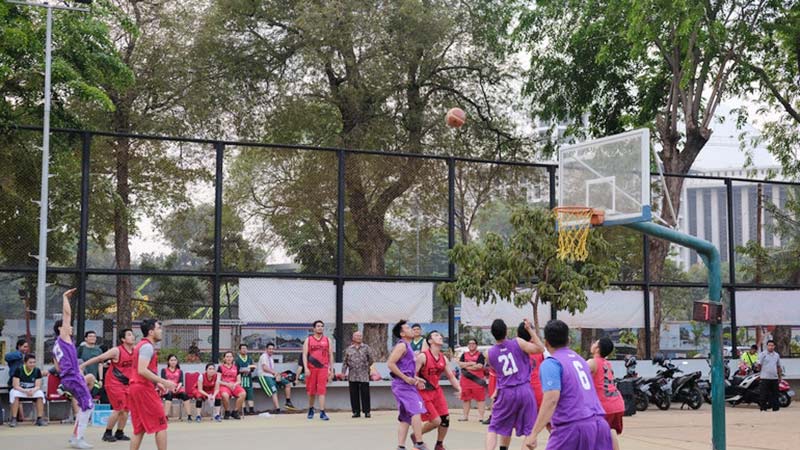
Basketball, a dynamic sport rife with frenetic action and strategic nuance, enthralls millions around the globe. At the heart of the game lies a fundamental structure that dictates how each contest unfolds: the quarters. Despite a casual observer’s tendency to focus solely on the thrilling moments—daring dunks, three-point rockets, and buzzer-beaters—understanding the framework of timekeeping in the NBA invites a deeper appreciation of the sport. What if the very format of a basketball game could alter your perspective on team dynamics and player performance? Let’s dive into the intricacies of quarters in the NBA and unravel their significance.
1. The Basic Structure of NBA Games
In the National Basketball Association (NBA), each game is divided into four distinct quarters. This segmentation is akin to chapters in a riveting novel, each contributing its own narrative arc to the overarching tale of competition. Each quarter lasts for 12 minutes, a timing decision steeped in history and evolution. This total yields a standard game time of 48 minutes, although with stoppages, timeouts, and halftime activities, the actual duration can extend significantly.
2. Historical Evolution of the Quarter System
The evolution of how basketball games are structured has undergone notable transformations since its inception. Initially, the game featured two 15-minute halves, but as strategies and player conditioning advanced, leagues gravitated towards a more segmented format. The switch to quarters allowed teams to recalibrate and strategize more effectively, ultimately leading to a more dynamic and engaging experience for fans. This evolution reflects the intrinsic adaptability of basketball, showcasing how the sport continuously fuses tradition with modernity.
3. The Quarter Breakdown: What Happens When?
Each quarter in an NBA game serves as its own microcosm. During the first and third quarters, teams often establish their momentum—players showcase their skills, create scoring opportunities, and set a tone. Conversely, second and fourth quarters tend to reflect the culmination of tactical adjustments and dramatic gameplay. As fatigue or situational pressure mounts, the dynamics shift, revealing the depth of conditioning and strategy imparted onto the players.
4. The Importance of Timeouts
In the whirlwind of fast-paced action, timeouts orchestrate vital pauses. Each team is granted seven timeouts during regulation play, strategically useful for coaching insights, player recuperation, or halting an opponent’s momentum. The judicious deployment of these timeouts can dramatically influence the flow of the game, making them a crucial element in the tapestry of quarters. Understanding when and how to use timeouts can alter game outcomes, adding layers to the tactical complexities of basketball that can’t be gleaned from surface-level observations.
5. Halftime: A Strategic Breather
Sandwiched between the second and third quarters lies halftime, a 15-minute intermission that allows players to regroup, rehydrate, and recalibrate strategies. Coaches seize this opportunity to analyze the first half’s performance, adjusting plays to exploit weaknesses exposed by their opponents. This breather is critical; it’s not merely a period of rest but a strategic recalibration that can spell success or failure as teams resume their contest.
6. The Role of Overtime
What happens when the fevered clock strikes zero, and teams remain tied? Enter overtime—a riveting 5-minute extension that can determine victors in a nail-biting showdown. The rules for overtime echo those of regulation play but heighten the stakes. Only five players from each team are allowed on the court, as exhaustion creeps in and pressure boils over. The sheer unpredictability of overtime often leads to unforgettable memories, carving indelible marks in the annals of basketball history.
7. Analyzing Team Dynamics Within Quarters
The analytical aspect of quarters extends beyond timekeeping; it holds great significance in terms of team dynamics. Different games can reveal different narratives based on performance in individual quarters. A team that excels in the first quarter but falters in the last may find itself questioning its stamina or strategic execution. Conversely, the perennial underdog might use a strong fourth quarter to stage remarkable comebacks, illustrating the ebb and flow of basketball’s inherent theatricality.
8. The Psychological Aspect: Pressure and Tempo
In the throes of quarter transitions, player psychology plays a pivotal role. The pressure of a close game can provoke heightened performance levels or, conversely, induce jitters. Masterful players learn to harness this intensity, transforming it into momentum rather than allowing it to suffocate their prowess. Understanding the psychological rhythms of a game makes for a fascinating study into the minds of athletes as they balance excitement with pressure.
9. Conclusion: The Dance of the Quarters
In this grand odyssey of basketball, the quarters emerge as more than mere fragments of time; they represent the essential cadence of battle, setting the stage for triumphs and tribulations alike. Each segment is infused with a confluence of strategy, emotion, and athletic prowess, painting a vivid picture of competition and collaboration. Whether you are a newcomer or a seasoned aficionado, embracing the intricacies surrounding quarters will magnify your appreciation for the ballet that unfolds on the hardwood. As the clock winds down and the final seconds tick away, remember: every quarter serves as a reminder of the relentless pursuit of excellence that embodies the very spirit of basketball.








Leave a Comment